 English
  Español
  Français
  Português
  Deutsch
  Italiano
  Русский
  العربية
  简体中文
简体中文  香港中文
香港中文  한국어
한국어  日本語
日本語  Türkçe
  Nederlands
  Bahasa Indonesia
 Discover Innovative Plastic Wood Uses for Your Outdoor Spaces
In today’s world, the demand for sustainable and innovative materials has significantly increased, particularly in outdoor spaces. One such material that has gained popularity is plastic wood, also known as wood-plastic composite. This versatile material combines the aesthetics of natural wood with the durability and low maintenance of plastic, making it an ideal choice for various outdoor applications. In this article, we will explore innovative uses of plastic wood in outdoor spaces, considering the global production capacity and price advantages that this material offers.
Plastic wood is produced through a process that combines recycled plastics with wood fibers, resulting in a composite material that retains the appearance of traditional wood while providing enhanced performance. The global production of plastic wood has seen substantial growth, driven by an increasing awareness of environmental sustainability and the need for eco-friendly building materials. As countries worldwide ramp up their recycling efforts and seek alternatives to traditional wood, the capacity for producing plastic wood continues to expand.
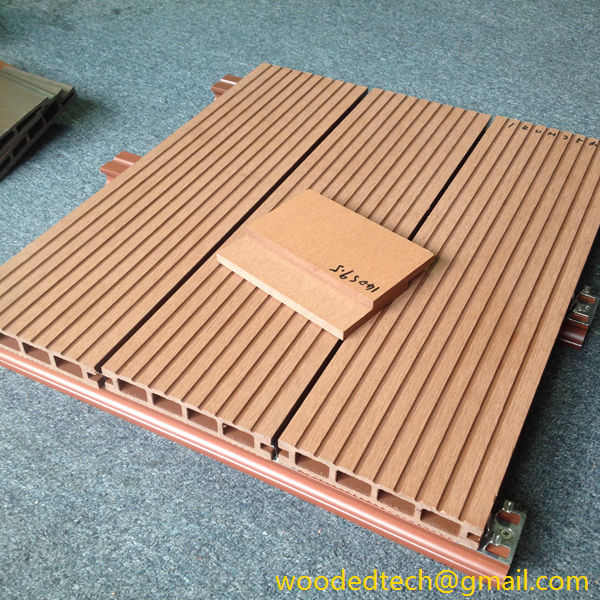
One of the most popular applications of plastic wood is in decking. Traditional wooden decks require regular maintenance, including sealing, staining, and painting, which can be time-consuming and costly. In contrast, plastic wood decking is resistant to rot, splintering, and insects, allowing homeowners to enjoy their outdoor spaces without the burden of constant upkeep. Additionally, the diverse range of colors and textures available in plastic wood means that homeowners can achieve the desired aesthetic without compromising on durability.
Another innovative use of plastic wood is in outdoor furniture. From benches and picnic tables to loungers and dining sets, plastic wood furniture offers a stylish yet functional solution for outdoor living spaces. Its resistance to fading and weathering ensures that the furniture retains its appearance over time, making it a worthwhile investment. Moreover, the lightweight nature of plastic wood furniture allows for easy rearrangement, enabling homeowners to adapt their outdoor spaces to suit different occasions.
In landscaping, plastic wood can be utilized for various applications, such as garden borders, planter boxes, and retaining walls. These structures not only enhance the visual appeal of gardens but also provide practical solutions for soil erosion and plant containment. The longevity of plastic wood means that these landscaping features require minimal maintenance, allowing gardeners to focus on cultivating their plants rather than constantly repairing their borders.

The global production capacity of plastic wood is bolstered by advancements in manufacturing technology. As more companies invest in the research and development of composite materials, the efficiency of production processes improves, leading to cost reductions. This price advantage makes plastic wood an appealing option for both manufacturers and consumers. The decreasing costs of raw materials and the ability to produce large quantities of plastic wood contribute to a competitive market, further driving its adoption in outdoor applications.
In addition to decking, furniture, and landscaping, plastic wood can be creatively used in outdoor structures such as pergolas, fences, and gazebos. These structures enhance the functionality of outdoor spaces by providing shade, privacy, and aesthetic appeal. Plastic wood’s resistance to weather-related wear means that it can withstand the elements without deteriorating, making it an ideal choice for outdoor constructions that are exposed to varying climatic conditions.
Furthermore, the versatility of plastic wood extends to creative projects such as custom garden art, trellises, and decorative screens. The material can be easily cut, shaped, and painted to suit individual preferences, allowing homeowners to express their creativity in their outdoor spaces. This adaptability encourages the use of plastic wood in unique and innovative ways, transforming ordinary gardens into extraordinary retreats.

The environmental benefits of utilizing plastic wood cannot be overlooked. By using recycled materials, plastic wood contributes to reducing waste and minimizing the demand for new timber resources. This aligns with the growing trend of sustainability in construction and landscaping, appealing to eco-conscious consumers who prioritize environmentally friendly choices.
Plastic wood presents a multitude of innovative uses for outdoor spaces, ranging from decking and furniture to landscaping and custom structures. Its global production capacity continues to expand, driven by advancements in technology and increasing demand for sustainable materials. The price advantages associated with plastic wood make it an attractive option for consumers looking for durability and low maintenance in their outdoor environments. As more individuals discover the benefits of this versatile material, it is poised to become a staple in outdoor design, offering practical solutions while contributing to a more sustainable future.