 English
  Español
  Français
  Português
  Deutsch
  Italiano
  Русский
  العربية
  简体中文
简体中文  香港中文
香港中文  한국어
한국어  日本語
日本語  Türkçe
  Nederlands
  Bahasa Indonesia
 Create a Unique Look with Wood and Plastic Wall Panel Designs
Creating a unique look in interior design has become increasingly important for homeowners and businesses alike. One of the most effective ways to achieve this distinctive aesthetic is through the use of wall panel designs made from wood and plastic. These materials offer a versatile blend of beauty, functionality, and practicality, allowing individuals to express their personal style while maintaining a space that is both appealing and durable.
Wood wall panels have long been a staple in interior design, celebrated for their natural warmth and timeless appeal. They introduce an organic element to any room, enhancing the overall ambiance. With various types of wood available, from rich mahogany to light birch, the options for color and texture are virtually limitless. Each type of wood brings its own character, allowing for a tailored approach to interior design. Whether choosing reclaimed wood for a rustic feel or sleek, polished panels for a modern touch, wood can effortlessly transform a space.
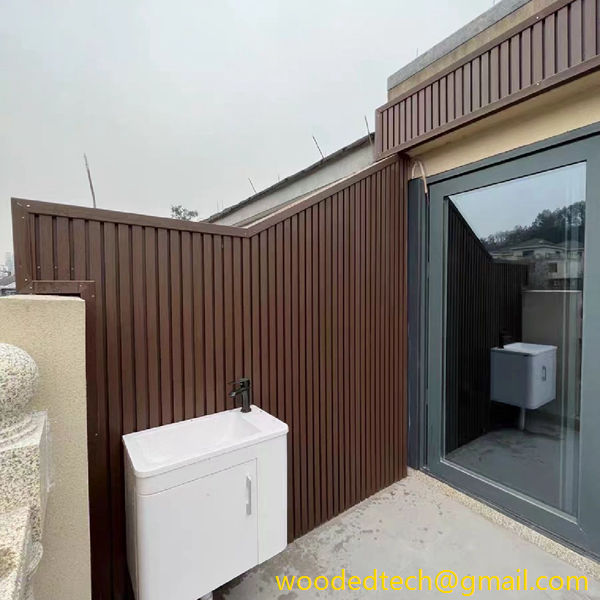
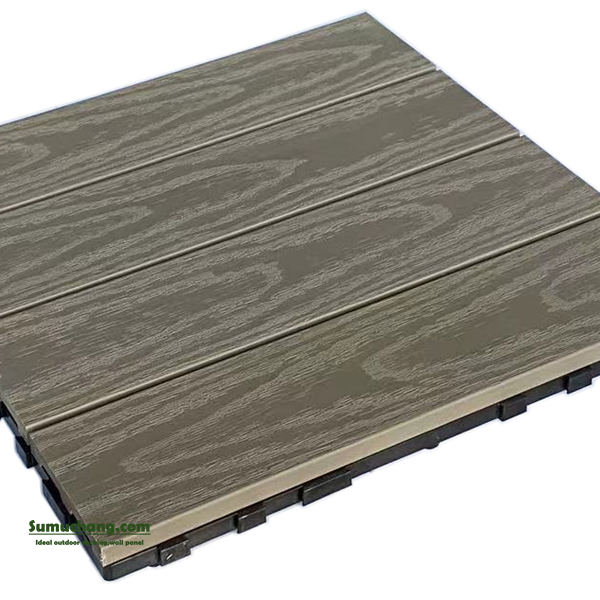
On the other hand, plastic wall panels have gained popularity for their lightweight nature and ease of installation. These panels can mimic the look of wood while offering added benefits such as resistance to moisture and easy maintenance. For environments prone to humidity, such as bathrooms and kitchens, plastic panels can be an ideal solution. They are available in a range of finishes and colors, allowing for creative freedom in design. The ability to create patterns and textures with plastic panels opens up numerous opportunities for innovative wall designs.

The combination of wood and plastic in wall paneling creates an intriguing juxtaposition that can enhance the visual interest of a room. By blending these two materials, designers can create unique looks that are both functional and stylish. For instance, using wood panels as an accent wall while incorporating plastic panels in other areas allows for a dynamic interplay of textures and finishes. This approach not only adds depth to the design but also creates a conversation piece that draws attention and admiration.
Another significant advantage of using wood and plastic wall panels is their versatility in various market applications. In residential settings, these panels can be used in living rooms, bedrooms, and even home offices, contributing to a cozy and inviting atmosphere. For commercial spaces, such as restaurants, retail stores, and corporate offices, the unique aesthetics of wood and plastic panels can enhance brand identity. Custom designs that reflect the company’s values or theme can be achieved, making the space more engaging for customers and employees alike.
In addition to aesthetics, the practical benefits of wood and plastic wall panels should be considered. Wood panels, while beautiful, often require regular maintenance to preserve their appearance. On the other hand, plastic panels are low-maintenance and can be easily cleaned, making them an attractive option for busy households or commercial environments. The durability of plastic is particularly advantageous in high-traffic areas, where wear and tear can take a toll on traditional materials.
Sustainability is another factor driving the popularity of wood and plastic wall panels. Many manufacturers are now offering eco-friendly options, using sustainably sourced wood and recycled plastic materials. This allows consumers to make environmentally conscious choices while still achieving their desired aesthetic. Utilizing these sustainable products can contribute to a healthier indoor environment and promote a positive message about corporate responsibility.
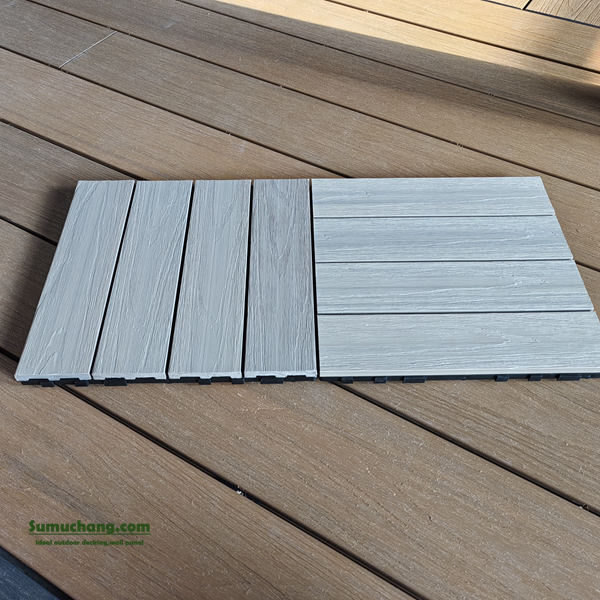
To create a truly unique look with wood and plastic wall panels, one might consider employing different design techniques. For example, layering panels can create a three-dimensional effect that adds depth and intrigue to a space. Mixing colors and finishes can also provide a customized look that reflects personal taste. Lighting plays a crucial role in showcasing these materials as well. Properly placed lighting can highlight the textures and colors of wood and plastic panels, enhancing their visual appeal.

The integration of technology into wall panel designs is another exciting trend. Some manufacturers are exploring interactive panels that incorporate smart technology, allowing homeowners and businesses to control lighting and sound through their wall panels. This innovative approach not only enhances functionality but also adds a modern touch to traditional materials.
In the realm of interior design, the possibilities with wood and plastic wall panel designs are endless. With an array of styles, colors, and finishes available, it is easy to customize spaces to reflect individual preferences. Whether one is looking to create a serene oasis at home or an inspiring work environment, the combination of wood and plastic offers a unique solution that balances aesthetics with practicality.
The growing interest in these materials is also reflected in various design trends. From minimalist designs that emphasize clean lines and simplicity to more eclectic styles that embrace bold patterns and colors, wood and plastic wall panels can adapt to various trends while maintaining their inherent charm. This adaptability makes them an ideal choice for anyone looking to stay current with design trends while still achieving a timeless look.
As the market continues to evolve, the integration of wood and plastic wall panels is becoming increasingly popular among designers and consumers. The unique blend of beauty, functionality, and sustainability makes these materials a top choice for creating stunning interiors. With the right design approach, anyone can create a space that is not only visually striking but also reflects their personal style and values.