 English
  Español
  Français
  Português
  Deutsch
  Italiano
  Русский
  العربية
  简体中文
简体中文  香港中文
香港中文  한국어
한국어  日本語
日本語  Türkçe
  Nederlands
  Bahasa Indonesia
 Explore Our Range of 6 Composite Decking Options for Your Home
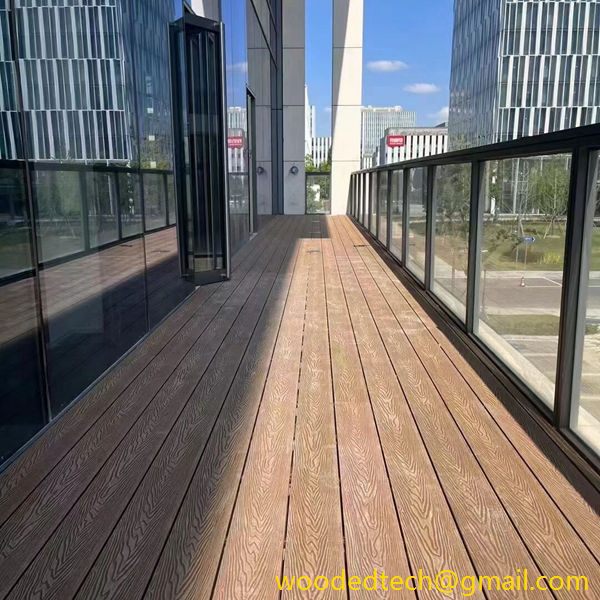
Composite decking has gained immense popularity among homeowners looking for durable and low-maintenance outdoor solutions. With a variety of options available in the market, understanding the global production capacity and pricing advantages can help you make an informed choice for your home. This article explores six composite decking options, delving into their features, benefits, and how global supply chains influence their pricing.
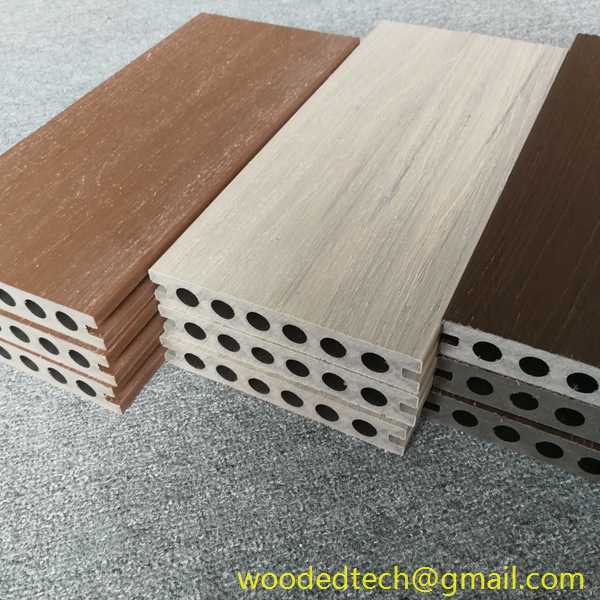
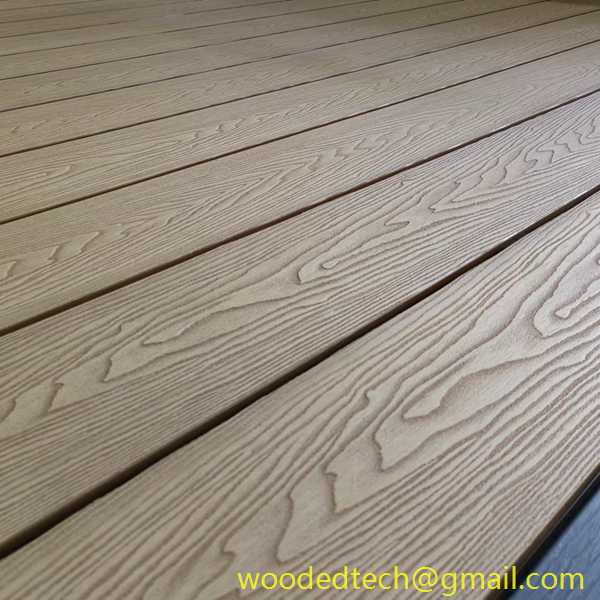
The first option in our composite decking range is the traditional wood-plastic composite. This type combines recycled wood fibers and plastic, resulting in a product that mimics the appearance of natural wood while offering enhanced durability. The production of wood-plastic composites has seen significant growth, particularly in regions with abundant wood resources. Countries like the United States and Canada have established robust manufacturing facilities, allowing for competitive pricing. The blend of materials not only provides aesthetic appeal but also ensures resistance against rot, insects, and fading, making it an attractive choice for homeowners.

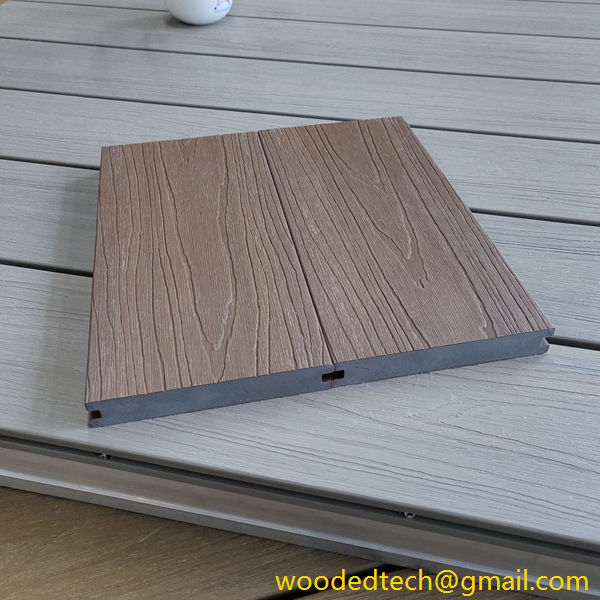
Next, we examine the capped composite decking, which is a step up in terms of technology and design. Capped composite boards feature a protective layer that surrounds the core of the deck, enhancing its resistance to moisture and stains. As production technologies evolve, manufacturers in regions with advanced facilities, such as Europe and North America, have been able to produce capped composites at lower costs. This pricing advantage allows homeowners to invest in a high-quality product without exceeding their budgets. The color and texture options available with capped composites also enable customization, making it easier to match your home’s exterior.
Another noteworthy option is the bamboo-composite decking. This type of decking utilizes bamboo fibers combined with recycled plastics, offering an eco-friendly alternative to traditional materials. The global demand for sustainable products has led to a rise in bamboo cultivation, particularly in Asia. As bamboo is a fast-growing resource, the production costs remain low compared to hardwood alternatives. Homeowners looking to reduce their environmental footprint while enjoying the aesthetics of decking will find bamboo-composite an appealing choice. The unique grain patterns and colors add a distinct character to outdoor spaces, enhancing the overall ambiance.
Recycled plastic decking is another innovative option that has gained traction. This type of decking is manufactured entirely from recycled materials, which appeals to environmentally conscious consumers. The production of recycled plastic decking is concentrated in regions with established recycling systems, such as Europe and North America. With advancements in recycling technologies, manufacturers have been able to produce high-quality decking at competitive prices. The durability and resistance to moisture and fading make recycled plastic decking an excellent choice for homeowners seeking long-lasting outdoor solutions. The low maintenance requirements further enhance its appeal, allowing homeowners to enjoy their decks without the hassle of frequent upkeep.

For those seeking a more luxurious option, composite decking with aluminum accents offers a modern touch. This type of decking combines the benefits of composite materials with the strength and aesthetic appeal of aluminum. The production of aluminum-composite decking is often centered in regions with strong metalworking industries, leading to efficient manufacturing processes. Although this option may come at a higher price point, the long-term durability and minimal maintenance requirements justify the investment. Homeowners can enjoy a sleek, contemporary look while benefiting from the structural integrity that aluminum provides.
Lastly, we explore the option of PVC decking, which is entirely synthetic and offers unparalleled resistance to moisture and stains. The production of PVC decking is primarily concentrated in regions where the plastic industry is well-established. This allows for economies of scale, resulting in competitive pricing. Homeowners who prioritize longevity and minimal maintenance may find PVC decking to be their preferred option. Its versatility in design means that it can be made to resemble wood without the drawbacks, offering a perfect solution for those who appreciate aesthetics but do not want the upkeep of traditional wood decking.
In selecting the right composite decking for your home, it is essential to consider not only the features and benefits of each option but also the global production dynamics that influence pricing. With a wide range of choices available, homeowners can find a composite decking solution that meets their needs, balances style with durability, and aligns with their budgetary considerations. The continuous evolution of manufacturing technologies and the increasing emphasis on sustainability will likely lead to even more innovative options in the future. As you explore these decking solutions, keep in mind the advantages that different global production capacities can offer, ultimately helping you make a choice that enhances your outdoor living experience.