 English
  Español
  Français
  Português
  Deutsch
  Italiano
  Русский
  العربية
  简体中文
简体中文  香港中文
香港中文  한국어
한국어  日本語
日本語  Türkçe
  Nederlands
  Bahasa Indonesia
 The quest for the perfect decking material has led to significant advancements in the production of composite decking boards. One of the standout innovations in this field is the grooved edge capped composite decking board. This type of decking not only offers remarkable aesthetics but also combines durability and sustainability, appealing to homeowners and builders alike.

The production process of grooved edge capped composite decking begins with the careful selection of raw materials. The core of these boards typically consists of a blend of wood fibers and recycled plastic. This combination provides the structural integrity required for outdoor applications while also promoting environmental sustainability by utilizing recycled materials. The wood fibers contribute to the board’s natural appearance, while the plastic components enhance its resistance to moisture, mold, and mildew.
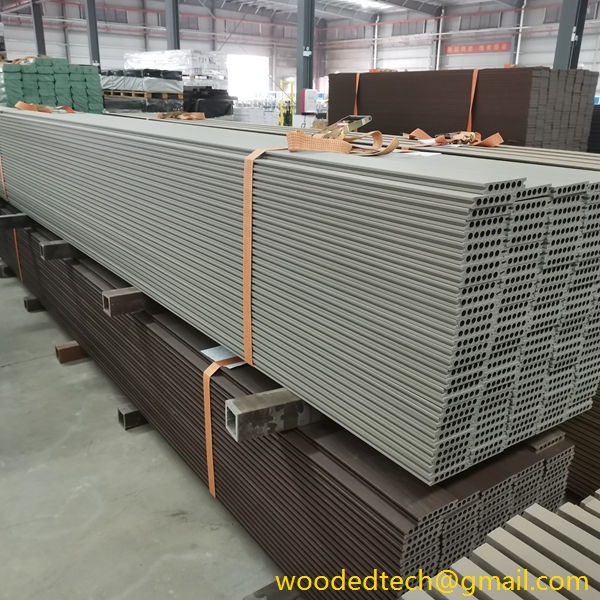
Once the raw materials are selected, they undergo a thorough mixing process. This stage is crucial as it ensures a uniform distribution of the wood fibers and plastic. Advanced technology is employed to achieve a consistent mixture, which is essential for the final product’s performance and appearance. After mixing, the material is subjected to heat and pressure in a specialized extrusion process. This process molds the mixture into long, continuous boards while also ensuring that the fibers are adequately bonded together for maximum strength.
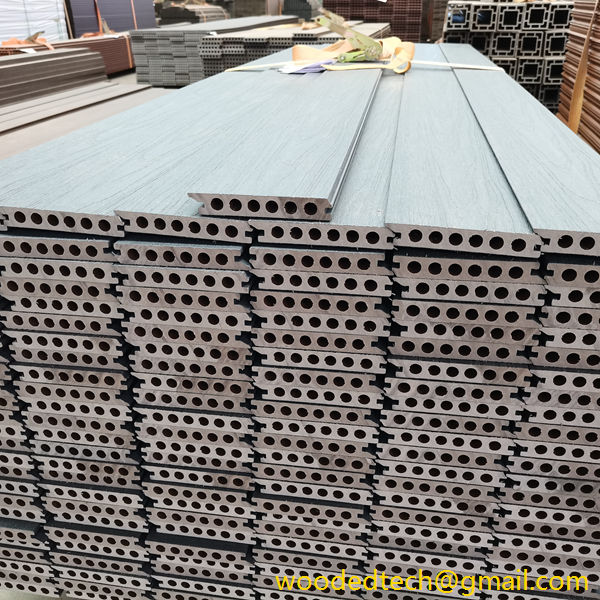
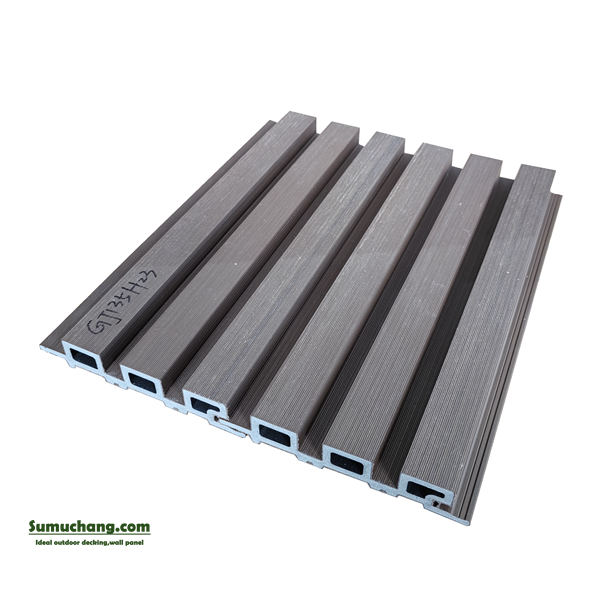
The grooved edge design is an integral feature of these composite decking boards. This feature is produced during the manufacturing process by incorporating grooves along the edges of the boards. These grooves serve multiple purposes. Firstly, they facilitate the installation of the boards, allowing for hidden fasteners that create a clean, seamless look. This design not only enhances the overall aesthetics of the decking but also minimizes the visibility of screws and nails, which can detract from the visual appeal of a deck.
Moreover, the grooved edge design contributes to the board’s functionality. The channels created by the grooves provide a space for water drainage, preventing the accumulation of moisture on the surface. This is particularly advantageous in regions with heavy rainfall or high humidity, as it reduces the risk of water damage and extends the lifespan of the decking. The enhanced drainage system also aids in maintaining a safer surface, as it minimizes the chances of slipping due to standing water.

Following the extrusion process, the boards undergo a capping procedure. The capping material is typically a high-performance polymer that envelops the core of the composite board. This outer layer serves as a protective shield against the elements. It provides enhanced resistance to fading, scratching, and staining, ensuring that the decking retains its vibrant color and aesthetic appeal over time. The capping process is a vital aspect of the production, as it significantly improves the board’s longevity and performance in outdoor conditions.
After the capping is complete, the boards are cut to the desired lengths and undergo a quality control inspection. This inspection process ensures that each board meets the manufacturer’s specifications and adheres to industry standards. Attention to detail during this stage is critical, as it guarantees that the final product is not only visually appealing but also functionally sound.
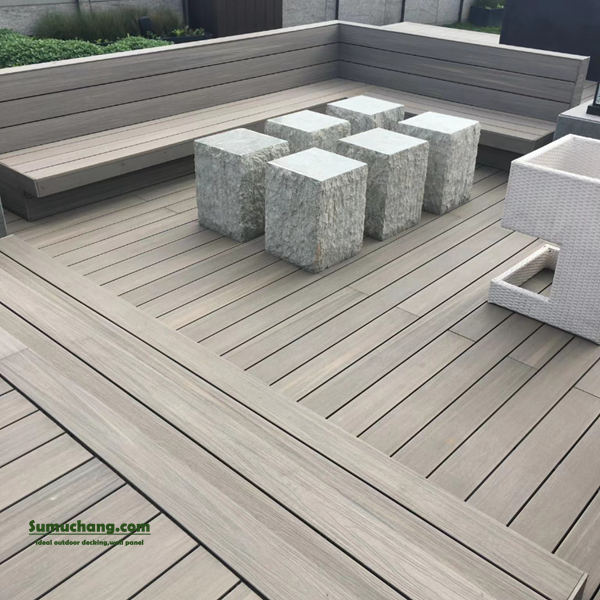
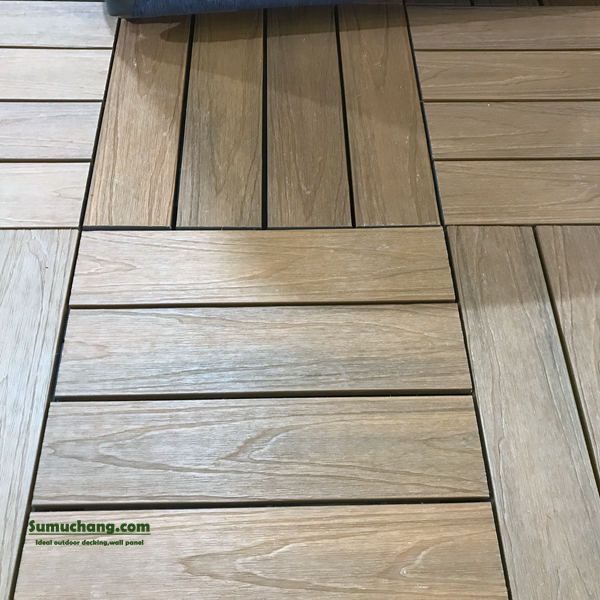
The grooved edge capped composite decking boards are available in a variety of colors and textures, allowing homeowners to choose options that best fit their design preferences. Whether one desires a traditional wood look or a more contemporary appearance, there are options available to suit every aesthetic. The versatility of these boards makes them suitable for various applications, including patios, pool decks, and outdoor living spaces.
In addition to their aesthetic benefits, grooved edge capped composite decking boards are also an environmentally friendly choice. The use of recycled materials in their production helps reduce waste and lower the demand for virgin resources. Furthermore, these boards require minimal maintenance compared to traditional wood decking, which often necessitates regular staining, sealing, and repairs. This reduced maintenance translates into long-term savings for homeowners and contributes to a more sustainable lifestyle.
As the demand for high-quality outdoor living spaces continues to grow, innovations like the grooved edge capped composite decking board are paving the way for a new standard in decking materials. These boards offer an ideal blend of beauty, durability, and environmental responsibility, making them an attractive option for a wide range of applications. With their advanced production techniques and thoughtful design features, they represent a significant advancement in the world of decking, ensuring that outdoor spaces can be enjoyed for years to come.