 English
  Español
  Français
  Português
  Deutsch
  Italiano
  Русский
  العربية
  简体中文
简体中文  香港中文
香港中文  한국어
한국어  日本語
日本語  Türkçe
  Nederlands
  Bahasa Indonesia
 In recent years, homeowners and designers alike have increasingly sought materials that combine aesthetics with durability. One such material that has gained immense popularity is wood-plastic composite, commonly known as WPC. This innovative material, composed of recycled wood fibers combined with plastic, offers a unique solution for wall cladding that enhances the beauty of a home while providing many practical advantages.
One of the primary benefits of WPC wall cladding is its versatility in design. Available in a wide range of colors, textures, and finishes, WPC panels can mimic the appearance of natural wood while providing a modern touch. This makes them suitable for various architectural styles, from contemporary to rustic. The ability to customize these panels allows homeowners to achieve their desired aesthetic without compromising on durability.
In terms of global production capacity, the market for WPC is expanding rapidly. Many countries have recognized the growing demand for sustainable building materials, leading to an increase in the number of manufacturers producing WPC products. Countries such as the United States, China, and various European nations are at the forefront of this production boom. The availability of WPC wall cladding in different regions ensures that homeowners worldwide can access this innovative material, further driving its popularity.
Another significant aspect of WPC wall cladding is its cost-effectiveness. While the initial investment may be slightly higher than traditional wood, the long-term savings are substantial. WPC panels are designed to withstand harsh weather conditions, resist pests, and require minimal maintenance. Unlike natural wood, which may warp, crack, or fade over time, WPC maintains its appearance and structural integrity for years. This durability translates to lower maintenance costs and fewer replacements, making it a financially wise choice for homeowners looking to enhance their properties.
The price advantage of WPC wall cladding can be attributed to several factors related to its production process. The use of recycled materials in the manufacturing of WPC not only reduces waste but also lowers the overall cost of production. Additionally, advancements in technology have streamlined the manufacturing process, allowing for more efficient production and distribution. As a result, the cost of WPC wall cladding has become increasingly competitive compared to traditional materials.
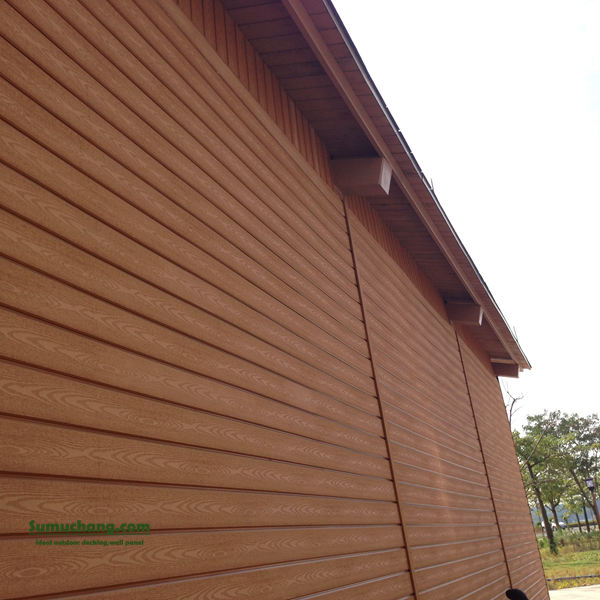
Moreover, the global shift towards sustainable building materials has influenced the pricing dynamics of WPC. As more consumers prioritize eco-friendly options, the demand for WPC continues to rise. This growing market has encouraged manufacturers to optimize their production methods, which has further contributed to cost reductions. Consequently, homeowners can enjoy the benefits of WPC wall cladding at a price point that is becoming more accessible.
Another factor enhancing the appeal of WPC wall cladding is its environmental friendliness. The use of recycled wood fibers and plastics in its composition means that choosing WPC is a responsible choice for the environment. Homeowners can take pride in knowing that they are reducing their carbon footprint by selecting materials that contribute to sustainability. Additionally, the long lifespan of WPC means fewer materials will end up in landfills, supporting a more sustainable future.
WPC wall cladding also offers practical benefits that add to its desirability. Its resistance to moisture and mold makes it an ideal choice for areas with high humidity, such as bathrooms and kitchens. Furthermore, WPC is non-toxic and safe for use in residential spaces, making it a family-friendly option. The ease of installation associated with WPC panels allows for quicker project completion, reducing labor costs and time associated with renovations or new builds.

As homeowners look to enhance their living spaces, WPC wall cladding presents a compelling option that combines beauty, durability, and sustainability. The global production capacity of WPC continues to grow, making it accessible and affordable for many. With its price advantages and practical benefits, WPC is not only a stylish choice but also a smart investment for those looking to upgrade their homes.
In the evolving landscape of home design and renovation, WPC wall cladding stands out as a material that meets the demands of modern homeowners. Its ability to offer the appearance of natural wood combined with the resilience of synthetic materials makes it a top choice for many. Homeowners who choose WPC wall cladding can enjoy lasting beauty and peace of mind knowing they have made an environmentally responsible and economically sound decision. The future of home design lies in materials like WPC that prioritize both style and sustainability, ensuring that homes remain beautiful and functional for years to come.