 English
  Español
  Français
  Português
  Deutsch
  Italiano
  Русский
  العربية
  简体中文
简体中文  香港中文
香港中文  한국어
한국어  日本語
日本語  Türkçe
  Nederlands
  Bahasa Indonesia
 Embossed wall panels have emerged as a popular choice for creating textured and stylish outdoor walls. These panels not only enhance the aesthetic appeal of various structures but also offer practical benefits such as durability and ease of maintenance. From a materials production process perspective, the creation of embossed wall panels involves several critical steps that ensure their quality and performance.
The first stage in the production of embossed wall panels is material selection. Typically, high-quality materials such as PVC, composite materials, or fiber-reinforced polymers are chosen for their strength, weather resistance, and lightweight characteristics. These materials are ideal for outdoor applications, as they can withstand harsh environmental conditions, including moisture, UV radiation, and temperature fluctuations. The choice of materials directly influences the longevity and aesthetic appeal of the finished product.
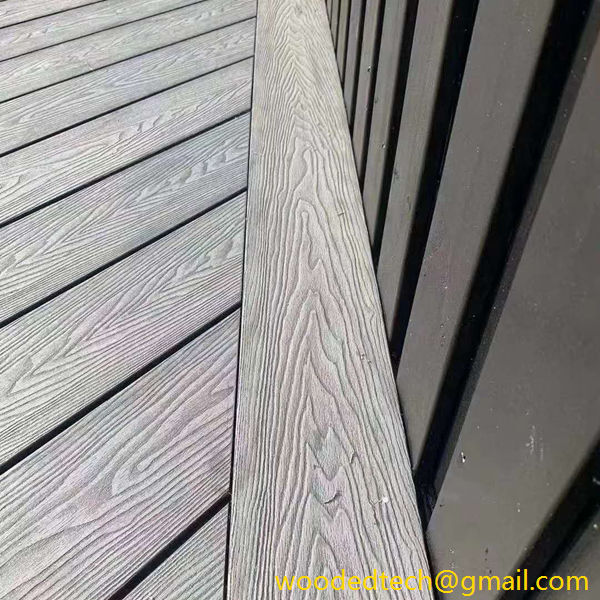
Once the appropriate materials are selected, the next step involves the design and development of the embossing patterns. This stage is crucial, as the texture and style of the panels play a significant role in their visual impact. Designers utilize computer-aided design software to create detailed patterns that will be embossed onto the surface of the panels. These designs can range from simple geometric shapes to intricate natural textures that mimic stone, wood, or other organic materials. The creativity involved in this process not only enhances the visual appeal but also allows architects and designers to incorporate unique elements into their projects.
Following the design phase, the production of the embossed wall panels moves to the molding process. This stage involves the use of specialized molds that have been crafted based on the approved designs. The selected material, often in a liquid or semi-liquid state, is poured into these molds. The molds are then subjected to heat and pressure, which causes the material to take on the shape and texture of the mold. This process is essential for ensuring that the embossing is both precise and consistent across all panels.

After the molding process is complete, the panels are subjected to a curing process. This step solidifies the material and enhances its mechanical properties, ensuring that the panels are sufficiently strong and durable for outdoor use. Curing can take place through various methods, including heat curing or UV curing, depending on the material used. It is vital to adhere to specific curing times and temperatures to achieve optimal performance characteristics.
Once cured, the embossed wall panels undergo a finishing process. This stage may involve sanding, painting, or applying protective coatings to enhance the panels’ appearance and resistance to environmental factors. The finishing touches are critical, as they not only improve the visual appeal but also provide an additional layer of protection against the elements. For instance, applying a UV-resistant coating can prevent color fading, while a waterproof sealant can enhance moisture resistance.
Quality control is another essential aspect of the production process. Manufacturers conduct thorough inspections at various stages to ensure that the panels meet industry standards and customer expectations. This may include testing for strength, durability, and weather resistance, as well as checking for any defects in the embossing patterns. Implementing rigorous quality control measures helps in maintaining consistency and reliability in the final products, which is crucial for building trust with customers.
Once the embossed wall panels have passed all quality checks, they are packaged and prepared for shipment. Proper packaging is essential to prevent damage during transportation and ensure that the panels arrive at their destination in pristine condition. Clear labeling and handling instructions are also included to facilitate a smooth installation process for end-users.

The installation of embossed wall panels is relatively straightforward, making them an attractive option for various construction projects. They can be easily mounted onto existing structures or used as standalone features in outdoor spaces. The versatility of these panels allows for creative applications in residential, commercial, and public projects alike.
In recent years, there has been a growing trend towards sustainable production practices in the manufacturing of embossed wall panels. Many manufacturers are now focusing on sourcing eco-friendly materials and implementing energy-efficient processes. This shift not only addresses environmental concerns but also appeals to a market that increasingly values sustainability in construction materials.
Embossed wall panels represent a harmonious blend of aesthetic appeal and functional performance, making them an ideal choice for stylish outdoor walls. The meticulous production process, from material selection to quality control, ensures that these panels not only look great but also stand the test of time. With ongoing innovations in design and sustainability, the future of embossed wall panels appears bright, promising even more exciting developments in the world of architectural materials.