 English
  Español
  Français
  Português
  Deutsch
  Italiano
  Русский
  العربية
  简体中文
简体中文  香港中文
香港中文  한국어
한국어  日本語
日本語  Türkçe
  Nederlands
  Bahasa Indonesia
 how to install wpc decking for outdoor durability
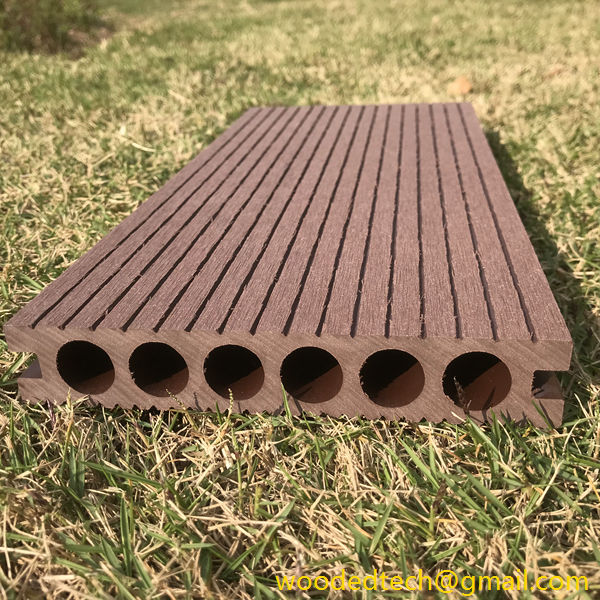
When considering the installation of WPC decking, or wood-plastic composite decking, for outdoor use, one must take into account several important factors to ensure durability and longevity. WPC decking has gained popularity due to its resistance to various weather elements, low maintenance requirements, and its environmentally friendly nature. This material is known for combining the aesthetic appeal of wood with the resilience of plastic, making it an excellent choice for outdoor spaces.
Before starting the installation process, it is crucial to prepare the site properly. Begin by selecting a suitable area where the decking will be installed. This space should be level and free from any debris or vegetation that could interfere with the installation. If the ground is uneven, consider leveling it to provide a solid base for the decking. Proper drainage is also essential, as standing water can lead to rot and damage over time. Ensure that the area has adequate drainage to prevent water from pooling under the deck.
Once the site is prepared, gather all the necessary tools and materials. This includes WPC boards, deck screws, a saw, a drill, a measuring tape, a level, and safety gear like gloves and goggles. Having everything organized beforehand will help streamline the installation process and minimize any disruptions.

The next step involves laying out the framework for the decking. Using pressure-treated wood or aluminum for joists is advisable, as these materials will provide support and add to the overall durability of the deck. The joists should be spaced according to the manufacturer’s recommendations, typically 16 inches apart. Use a level to ensure that the joists are even and securely anchored to the ground. This framework will serve as the backbone of your WPC decking, so it is essential that it is sturdy and well-constructed.
After setting up the joists, the installation of the WPC boards can begin. Start at one end of the deck and lay the first board down, ensuring that it is aligned properly with the edge of the joists. It is important to leave a small gap between the board and any adjacent structures to allow for expansion and contraction due to temperature changes. This gap will help prevent warping and ensure that the decking remains stable over time.
When securing the WPC boards, use deck screws that are compatible with the material. Pre-drilling holes can help prevent the boards from splitting and provide a cleaner finish. Place the screws at regular intervals along the joists, ensuring that they are driven in straight and flush with the surface of the board. This not only enhances the aesthetic appearance of the deck but also contributes to its overall structural integrity.

As you continue installing the boards, it is important to maintain consistency in spacing. Use spacers between the boards to ensure uniform gaps, which is vital for drainage and airflow. Proper spacing helps reduce the risk of moisture retention, which can lead to mold growth or other forms of degradation over time. Regularly check the alignment and level of the boards as you work to ensure that the deck remains straight and even throughout the installation process.
Once all the boards are installed, focus on the finishing touches. Trim any overhanging edges of the WPC boards to achieve a neat appearance. If desired, you can also install railing or skirting around the deck to enhance its safety and aesthetic appeal. Make sure that any additional features are securely attached and comply with local building codes.
To maximize the durability of your WPC decking, it is essential to follow proper maintenance practices. While WPC decking is designed to withstand the elements, regular cleaning is crucial to keep it looking its best. Use a mild soap and water solution to clean the surface of the deck, removing any dirt or debris that may accumulate over time. Avoid using harsh chemicals or abrasive materials, as these can damage the surface of the WPC boards.
Inspect the deck periodically for any signs of wear or damage. Address any issues promptly to prevent them from worsening. This includes checking for loose screws, warped boards, or any signs of mold or mildew. Taking proactive steps to maintain your WPC decking will ensure it remains a beautiful and functional part of your outdoor space for years to come.
In addition to regular cleaning and inspections, consider resealing the deck every few years, especially if you notice that the surface is losing its luster. Resealing helps protect the WPC material from UV rays and moisture, further extending its lifespan. By following these guidelines for installation and maintenance, you can enjoy a durable and attractive outdoor space that enhances your property and withstands the challenges of outdoor living. The combination of careful installation and ongoing care will ensure that your WPC decking remains a valuable asset for your home for many years.