 English
  Español
  Français
  Português
  Deutsch
  Italiano
  Русский
  العربية
  简体中文
简体中文  香港中文
香港中文  한국어
한국어  日本語
日本語  Türkçe
  Nederlands
  Bahasa Indonesia
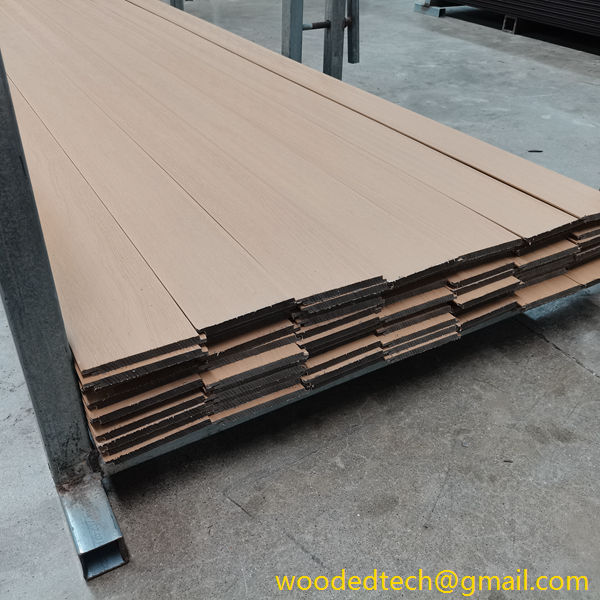
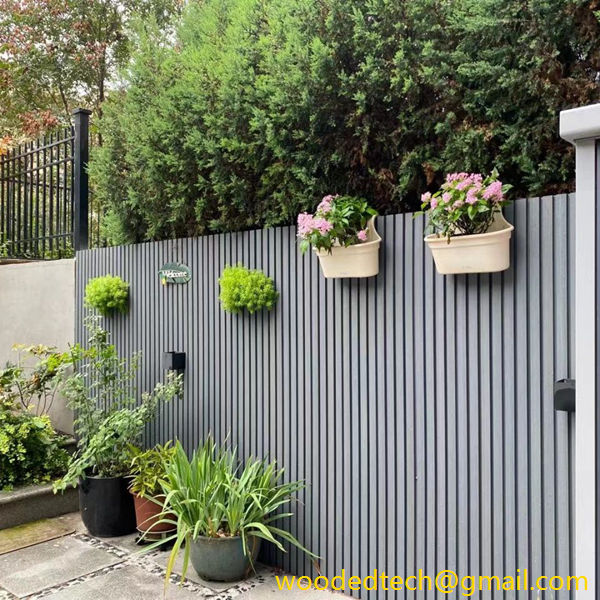
 Enjoy Seamless Design with No Gap WPC Decking Options
The global market for decking materials has evolved significantly over the years, with a growing emphasis on composite materials, particularly wood-plastic composites (WPC). These materials have gained popularity due to their aesthetic appeal, durability, and ease of maintenance. One of the most attractive features of WPC decking is the seamless design it offers, which enhances the overall appearance of outdoor spaces. This seamlessness not only contributes to a polished look but also minimizes the risk of water accumulation and debris collection, making it an ideal choice for homeowners and commercial properties alike.
When considering the production landscape of WPC decking, it is essential to understand the distribution of manufacturing capabilities across different regions. Major producers of WPC decking are concentrated in North America, Europe, and parts of Asia. These regions have well-established supply chains and advanced manufacturing technologies that facilitate the production of high-quality decking materials. North America, in particular, has seen a surge in demand for WPC products, driven by a combination of consumer preferences for sustainable materials and the increasing popularity of outdoor living spaces.

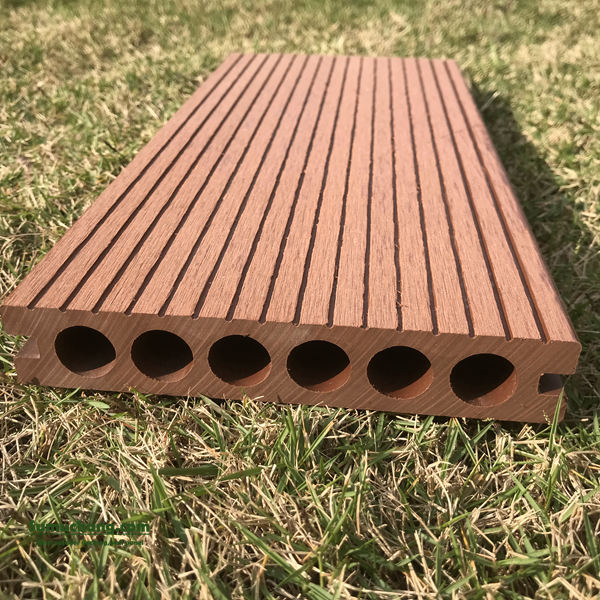
The manufacturing processes involved in producing WPC decking are sophisticated and involve the blending of wood fibers with plastic materials, creating a composite that retains the natural look of wood while offering the advantages of plastic. This combination results in a product that is resistant to moisture, insect damage, and fading, making it suitable for various climates and applications. As technology continues to advance, manufacturers are constantly improving their processes, resulting in better-quality products that provide enhanced performance and aesthetic appeal.
From a pricing perspective, WPC decking has positioned itself competitively within the broader decking materials market. Traditional wood decking can require significant maintenance and has a limited lifespan, which can lead to higher long-term costs. In contrast, WPC decking is designed to withstand the elements with minimal upkeep, providing a cost-effective solution over time. Additionally, as production capabilities expand globally, economies of scale are being realized, which can lead to lower prices for consumers.
The competitive pricing of WPC decking is further supported by the increasing availability of raw materials. The global shift towards recycling and sustainability has encouraged manufacturers to source recycled plastics and wood fibers, reducing material costs and environmental impact. This trend aligns with consumer preferences for eco-friendly products, creating a win-win scenario for both manufacturers and buyers.
Another significant factor influencing the price advantage of WPC decking is the geographical proximity of production facilities to key markets. Regions with high demand for outdoor living products can benefit from reduced shipping costs and faster delivery times. As manufacturers establish plants closer to their target markets, they can offer more competitive pricing while maintaining product quality. This strategic positioning allows them to respond quickly to market fluctuations and consumer preferences, ensuring their products remain appealing in a dynamic marketplace.

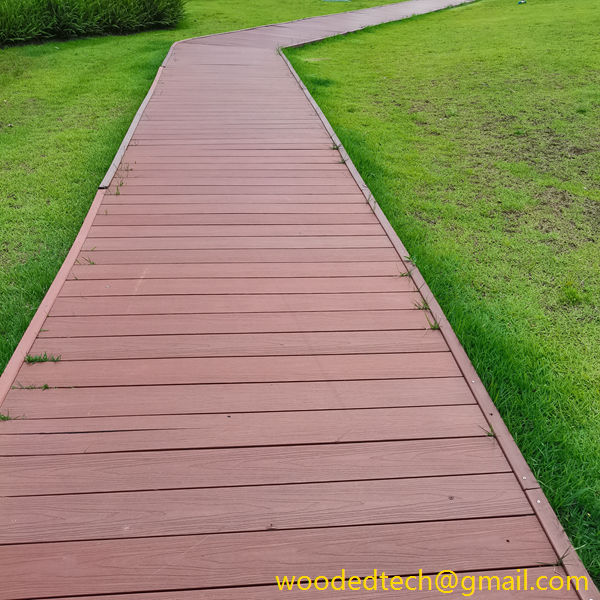
The seamless design of WPC decking enhances its appeal not only visually but also functionally. Traditional decking systems often require visible fasteners or spacers that can detract from the overall aesthetics. In contrast, seamless designs feature hidden fastening systems that create a clean and uninterrupted surface. This design innovation appeals to consumers looking for modern and sophisticated outdoor spaces. Additionally, the absence of gaps minimizes the chances of splinters and provides a safer walking surface, making it an ideal choice for families with children and pets.
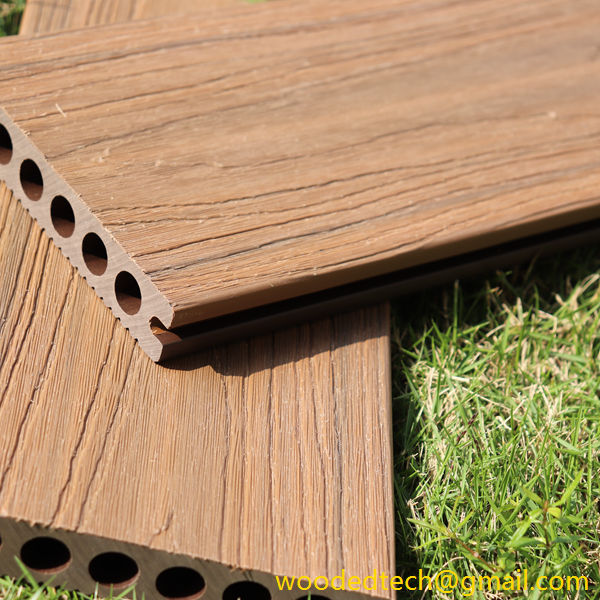
As the global market for WPC decking continues to grow, it is likely that we will see further innovations in product design and manufacturing techniques. Companies are constantly exploring new formulations and finishes that enhance the performance and visual appeal of their products. The development of new colors, textures, and styles will cater to a broader range of tastes and preferences, allowing consumers to create unique outdoor environments that reflect their personal style.
In the competitive landscape of outdoor living products, the combination of seamless design, price advantages, and enhanced performance positions WPC decking as a leading choice for homeowners and businesses alike. As consumers increasingly prioritize aesthetics, sustainability, and long-term value, the demand for WPC decking is expected to rise. Manufacturers that can leverage global production capabilities and maintain a focus on innovation will be well-positioned to capture market share in this growing segment. The future of WPC decking looks promising, with endless possibilities for design and functionality that will redefine outdoor spaces.