 English
  Español
  Français
  Português
  Deutsch
  Italiano
  Русский
  العربية
  简体中文
简体中文  香港中文
香港中文  한국어
한국어  日本語
日本語  Türkçe
  Nederlands
  Bahasa Indonesia
 How Composite Deck Load Tables Assist in Structural Planning
When planning an outdoor project, the weight-bearing capabilities of your chosen materials become paramount. Composite deck load tables provide vital insight into how much weight a specific deck can support, helping engineers and project managers make informed decisions during the design phase. These tables typically categorise load capacities based on various factors, including the type of composite material used, thickness, and spacing of the support beams. Understanding these variables is essential for ensuring that the final product is not only aesthetically pleasing but also structurally sound.
In many cases, using the correct load tables can prevent costly errors during the construction phase. With the integration of WPC (Wood Plastic Composite) materials into outdoor projects, the need for precise calculations has never been greater. WPC products are gaining traction in the international market due to their durability and reduced maintenance needs. As a foreign trade export specialist, it is essential to grasp these technical specifications, as they often influence purchasing decisions among overseas distributors.
International Purchasing Process: Quotations and Sample Approval
Once a customer expresses interest in purchasing WPC products, the quotation process begins. This stage is critical for establishing trust and showcasing the quality of your offerings. A well-structured quotation includes detailed information about the composite deck load tables, allowing clients to assess how the products will meet their specific needs. Providing accurate pricing based on these tables assures clients of the value they will receive. It is advisable to include shipping costs and lead times in the quotation to offer a comprehensive overview.
Following the quotation, clients often request samples to evaluate the material’s quality and performance. This step can be pivotal in solidifying a business relationship. It allows the potential buyer to see firsthand how the composite deck will handle weight, weather, and wear over time. Ensure that the samples provided are consistent with the load tables previously shared, demonstrating the integrity and reliability of your products. Once the samples are approved, the next steps in the purchasing process can proceed smoothly.
Packaging and Container Loading
Once an order is confirmed, careful attention to packaging becomes crucial. WPC products should be packaged to withstand the rigours of international shipping, which includes exposure to varying temperatures and moisture levels. Ensuring that the products are adequately protected will prevent damage during transit and uphold your reputation for quality. Packaging should also be labelled clearly, referencing the load tables to remind distributors of the product’s specifications.
Loading the containers with the WPC products requires meticulous planning. The arrangement should optimise space while ensuring that no pressure points compromise the integrity of the materials. Consulting the composite deck load tables during this phase aids in understanding how the products should be stored to prevent any undue stress during shipment. This level of care reflects well on your company, as it demonstrates a commitment to quality and attention to detail.
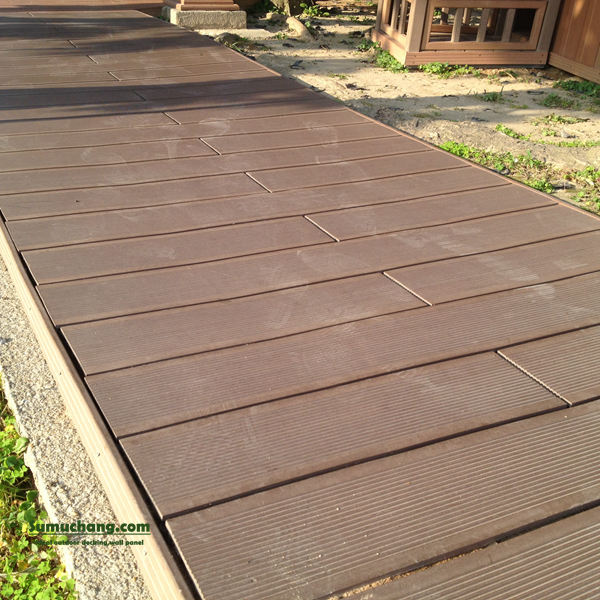
Shipping Documents and Compliance
When shipping internationally, the proper documentation is essential. Shipping documents not only ensure compliance with various regulations but also provide peace of mind to both the exporter and the importer. Documents such as the bill of lading, commercial invoice, and packing list should clearly outline the details of the shipment, including references to the composite deck load tables. This transparency can enhance trust with overseas distributors and facilitate smoother customs clearance.
It is also wise to remain updated on the regulations surrounding WPC products in different countries. Some markets may have specific guidelines regarding the materials used, particularly concerning sustainability and environmental impact. Knowing these requirements allows you to pre-emptively address concerns and fortify your position as a knowledgeable partner in the international market.
Cooperation with Overseas Distributors
Establishing effective communication channels with overseas distributors is vital in ensuring smooth transactions. Regular updates regarding product specifications, including load tables, can foster a collaborative environment where feedback is encouraged. This partnership can lead to better understanding and alignment on quality standards, ultimately benefiting both parties.
Consider hosting training sessions focused on the significance of composite deck load tables and other technical specifications. Educating distributors not only improves their ability to sell your products but also enhances their confidence in discussing technical aspects with their clientele. This collaborative approach can lead to increased sales and a more robust international presence.
The Importance of Accurate Information
Accurate information about composite deck load tables has far-reaching effects on the success of both your products and your international partnerships. Distributors rely on this data to build trust with their customers, and any discrepancies can impact future sales. By providing precise, detailed information and fostering open communication, you position yourself as a reliable partner in the global market for WPC products.
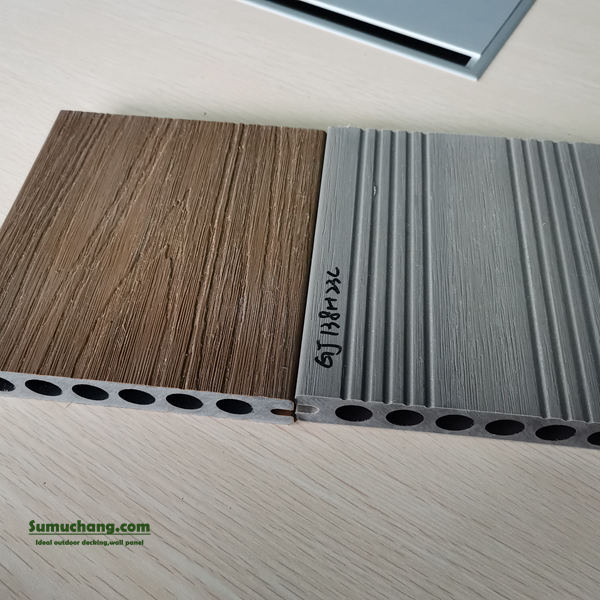
Ultimately, a keen understanding of the structural planning implications of composite deck load tables not only aids in the sales process but also contributes significantly to the overall success of outdoor projects. Ensuring that both you and your distributors have access to the necessary information will pave the way for successful international collaborations.