 English
  Español
  Français
  Português
  Deutsch
  Italiano
  Русский
  العربية
  简体中文
简体中文  香港中文
香港中文  한국어
한국어  日本語
日本語  Türkçe
  Nederlands
  Bahasa Indonesia
 When considering the aesthetic appeal and functionality of modern buildings, exterior wall panels have emerged as a popular choice among architects, builders, and homeowners. These panels do not only serve as a protective layer for structures, but they also play a significant role in defining the overall visual identity of a property. The increasing demand for innovative design solutions has driven the evolution of exterior wall panels, which come in a variety of materials, styles, and finishes to suit diverse architectural needs.
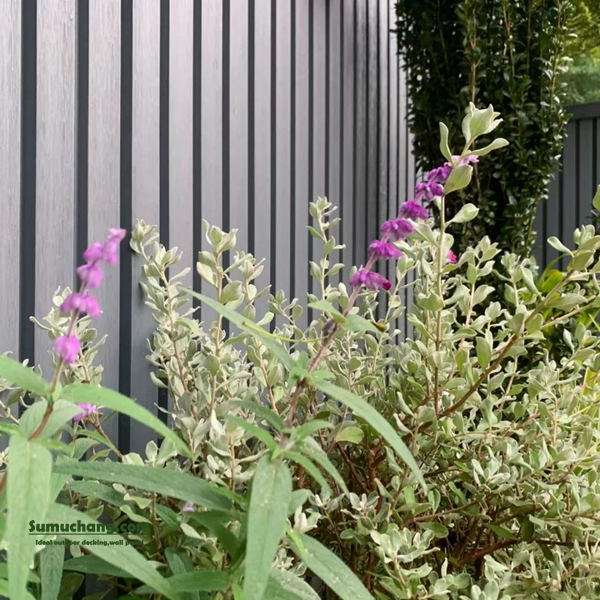
One of the most compelling reasons for choosing exterior wall panels is their versatility. Available in materials such as wood, metal, vinyl, and composite, these panels can be tailored to fit any architectural style. Whether it is a sleek, contemporary building or a more traditional structure, there is an exterior wall panel option that can enhance the overall design. For instance, metal panels can impart a modern industrial look, while wooden panels can add warmth and character to a residence. This adaptability allows designers to create unique facades that stand out in any urban or rural setting.

Beyond aesthetic appeal, exterior wall panels provide significant practical benefits. One of the primary functions of these panels is to protect buildings from the elements. High-quality materials are engineered to withstand harsh weather conditions, including heavy rain, high winds, and extreme temperatures. This protective capability helps to extend the lifespan of the building while reducing maintenance costs over time. Additionally, many modern wall panels are designed with insulation properties that enhance energy efficiency. By reducing heat loss in cold weather and minimizing heat gain during warmer months, these panels contribute to lower energy bills and a more comfortable indoor environment.
Furthermore, the installation process of exterior wall panels has been streamlined with advancements in technology and construction methods. Many modern panels are designed for quick and easy installation, allowing for faster project completion. This efficiency can be particularly beneficial for commercial projects where timelines are critical. The ease of installation does not come at the expense of quality; manufacturers ensure that their products meet stringent building codes and standards. As a result, builders can be confident in the durability and performance of the wall panels they select for their projects.

Sustainability is another important factor driving the popularity of exterior wall panels. In recent years, there has been a significant shift towards environmentally friendly construction practices. Many manufacturers now offer panels made from recycled materials or sustainably sourced products. This focus on sustainability not only reduces the ecological footprint of construction but also appeals to environmentally conscious consumers. In addition, some exterior wall panels are designed to be easily recyclable at the end of their life cycle, further contributing to sustainable building practices.
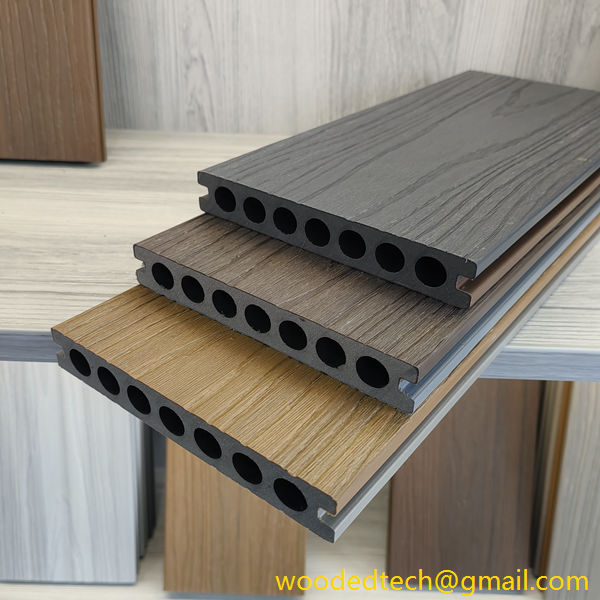
Color and texture options available for exterior wall panels also allow for an extensive range of customization. Homeowners and builders can select from an array of finishes to achieve the desired look, whether it be a sleek, glossy surface or a more textured, rustic appearance. This level of customization can significantly enhance curb appeal, making properties more attractive to potential buyers or tenants. As design trends evolve, the ability to easily update or change the color and finish of wall panels offers an appealing option for maintaining a fresh appearance over time.
In addition to their aesthetic and functional advantages, exterior wall panels can also improve sound insulation. For buildings situated in busy urban areas or near highways, noise reduction can be a crucial factor in creating a comfortable living or working environment. Many modern panels incorporate sound-dampening materials, which can help minimize the intrusion of outside noise. This feature is particularly appealing in residential developments where peace and tranquility are highly valued.
The growing trend of urbanization has led to an increased focus on maximizing space efficiency in building design. Exterior wall panels can be utilized in innovative ways to create multi-functional spaces. For example, they may be used to define outdoor living areas or to enhance the privacy of balconies and patios. By integrating wall panels into the overall design, architects can create seamless transitions between indoor and outdoor spaces, which is highly desirable in contemporary architecture.
As technology continues to advance, the future of exterior wall panels looks promising. Innovations such as smart panels, which can incorporate solar technology or sensors to monitor environmental conditions, are on the horizon. These advancements not only enhance the functionality of wall panels but also align with the growing trend towards smart buildings that prioritize energy efficiency and sustainability.
The choice of exterior wall panels can significantly impact the design, functionality, and sustainability of a building. By offering a wide range of materials, styles, and finishes, these panels provide architects and builders with the flexibility needed to create stunning facades that reflect modern design principles. With their practical benefits, including durability, energy efficiency, and ease of installation, exterior wall panels are an excellent choice for both residential and commercial applications. As the construction industry continues to embrace innovative materials and sustainable practices, the role of exterior wall panels is likely to become even more prominent in shaping the future of architecture.