 English
  Español
  Français
  Português
  Deutsch
  Italiano
  Русский
  العربية
  简体中文
简体中文  香港中文
香港中文  한국어
한국어  日本語
日本語  Türkçe
  Nederlands
  Bahasa Indonesia
 Wood Plastic Composite, or WPC, has emerged as a game-changer in the realm of modern outdoor spaces, particularly when it comes to exterior wall coverings. As urban areas evolve and the demand for sustainable materials increases, WPC 3D exterior wall covers offer a plethora of benefits that cater to both aesthetic appeal and functionality. This innovative building material is redefining how we think about outdoor design, making it an appealing choice for architects, builders, and homeowners alike.
One of the most significant advantages of WPC 3D exterior wall coverings is their durability. Traditional materials such as wood, stone, and metal can succumb to the harsh effects of weather, leading to wear and tear over time. WPC, on the other hand, is engineered to resist moisture, UV rays, and temperature fluctuations. This resilience means that WPC wall covers can maintain their appearance and structural integrity for years, reducing the need for frequent repairs or replacements. For homeowners and businesses, this translates into significant cost savings in maintenance and a longer lifespan for their outdoor spaces.
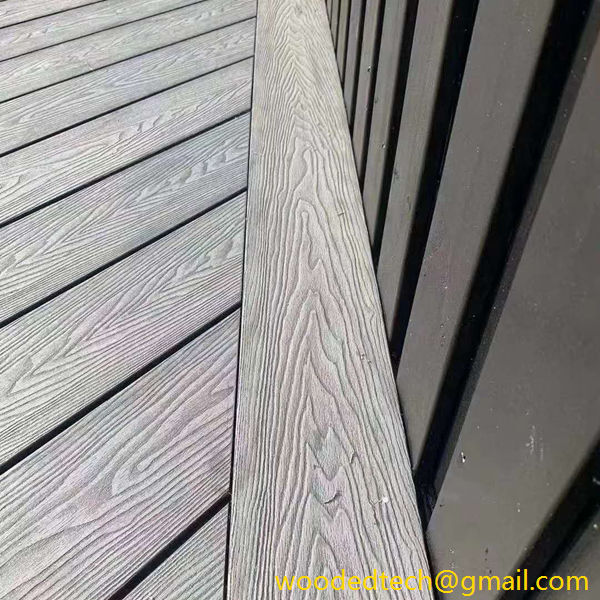
Aesthetically, WPC 3D wall coverings provide an opportunity to create visually striking designs that enhance the overall look of any property. The three-dimensional aspect of these wall covers allows for an array of textures and patterns, enabling designers to play with light and shadow in ways that flat surfaces simply cannot. Whether it is a modern, sleek finish or a more rustic appearance, WPC can be manufactured to mimic various materials, including wood and stone, while avoiding the downsides of traditional options. This versatility allows property owners to express their personal style and create outdoor environments that are both unique and inviting.
Sustainability is another critical factor driving the popularity of WPC 3D exterior wall covers. Made from a combination of recycled wood fibers and plastic, WPC significantly reduces the demand for virgin materials. This not only helps to conserve forests but also minimizes plastic waste. As more consumers become environmentally conscious, the appeal of sustainable building materials increases. By choosing WPC, property owners can take pride in their contribution to environmental conservation while enjoying a high-quality product.

Installation efficiency is a further benefit of WPC wall covers. Unlike traditional materials that may require specialized tools and skilled labor for installation, WPC systems are designed for ease of use. Many products feature interlocking designs or come in panels that can be easily attached to various structures. This simplicity not only saves time during the installation process but can also lower labor costs, making it an economically savvy choice for contractors. The reduced installation time means that projects can be completed more quickly, allowing for faster occupancy or use of the space.
Another important aspect to consider is the thermal insulation properties of WPC. When applied as an exterior wall covering, WPC can contribute to the overall energy efficiency of a building. The composite material helps to regulate indoor temperatures, reducing the need for heating and cooling systems to work as hard. This energy efficiency not only leads to lower utility bills but also contributes to a reduced carbon footprint. For commercial properties, this can be particularly advantageous, as energy savings can lead to improved profitability.

WPC wall coverings are also designed with safety in mind. Many products are treated to be fire-resistant, providing an extra layer of security for property owners. This feature is especially vital in areas prone to wildfires or where building regulations dictate strict safety standards. The peace of mind that comes from knowing your exterior walls are up to code and resistant to fire hazards is invaluable for both residential and commercial properties.
Maintenance is a crucial consideration for any building material, and WPC excels in this area as well. Unlike traditional wood that requires regular staining, sealing, or painting to maintain its appearance and integrity, WPC only requires occasional cleaning with soap and water to keep it looking like new. This low-maintenance characteristic is particularly appealing for busy homeowners or property managers who prefer to spend their time enjoying outdoor spaces rather than maintaining them.
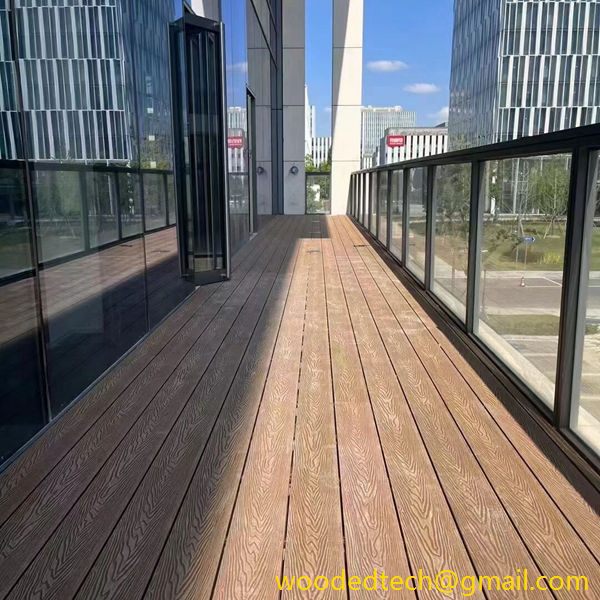
The adaptability of WPC makes it suitable for various applications beyond just wall coverings. It can be used in outdoor furniture, decking, and even fencing, creating a cohesive look across different elements of an outdoor space. This versatility allows for seamless integration between different components of a property, enhancing the overall design and functionality.
As the trend toward modern outdoor living continues to grow, WPC 3D exterior wall covers stand out as a leading material choice. Their combination of durability, aesthetic versatility, sustainability, installation ease, energy efficiency, safety, and low maintenance make them an attractive option for anyone looking to enhance their outdoor space. With the ability to create stunning visual effects and withstand the elements, WPC offers a practical solution that aligns with contemporary design principles and environmental stewardship.
Adopting WPC wall coverings is not just about aesthetics; it is also a forward-thinking decision that resonates with the values of today’s society. As consumers increasingly seek products that are both functional and environmentally responsible, WPC stands poised to meet these demands while transforming outdoor spaces into beautiful, resilient environments that can be enjoyed for years to come. The benefits of WPC 3D exterior wall covers are numerous and compelling, making them an ideal choice for modern outdoor spaces.