 English
  Español
  Français
  Português
  Deutsch
  Italiano
  Русский
  العربية
  简体中文
简体中文  香港中文
香港中文  한국어
한국어  日本語
日本語  Türkçe
  Nederlands
  Bahasa Indonesia
 The global market for exterior wood plastic composite (WPC) panels has seen significant growth in recent years, largely driven by the increasing demand for modern outdoor design solutions. WPC panels are favored for their durability, aesthetic appeal, and low maintenance requirements, making them an attractive option for architects, designers, and homeowners alike. The distribution of production capacities across different regions plays a crucial role in shaping the availability and pricing of these materials.
North America and Europe have traditionally been at the forefront of WPC panel production, benefiting from advanced manufacturing technologies and a strong emphasis on sustainable building practices. The United States, in particular, has a well-established WPC industry that produces a wide array of products catering to various design needs. Manufacturers in these regions often focus on high-quality materials, resulting in superior performance characteristics such as resistance to fading, mold, and moisture. Furthermore, stringent regulations concerning environmental sustainability have propelled the use of recycled materials in WPC production, aligning with the growing consumer preference for eco-friendly products.
In contrast, regions like Asia and the Pacific have emerged as significant players in the WPC market, primarily due to lower labor costs and an abundance of raw materials. Countries such as China and India have ramped up production capabilities to meet both domestic and international demand. The ability to produce WPC panels at a lower cost has enabled these countries to offer competitive pricing in the global market. As a result, many international buyers are increasingly sourcing WPC panels from these regions, drawn by the attractive price points without compromising on quality.

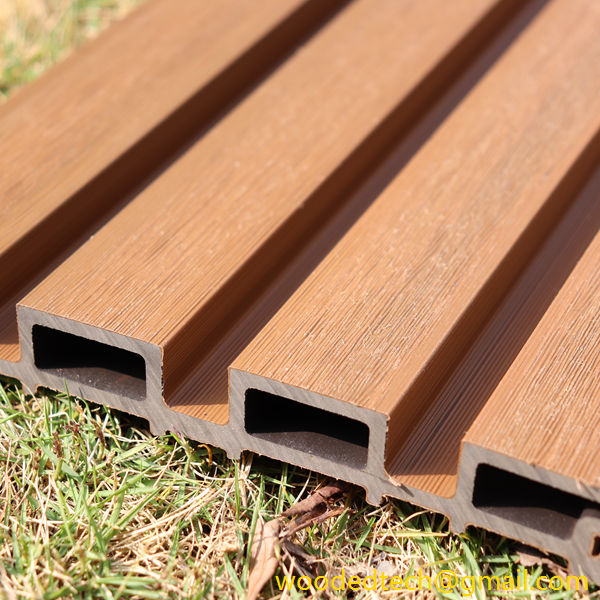
The price advantage associated with WPC panels from Asia is not solely a factor of lower production costs. The growing availability of advanced manufacturing techniques in these regions has allowed for improved product quality, further enhancing their competitiveness. Innovations in extrusion technology and material formulation have led to the development of WPC panels that closely mimic the appearance of natural wood while retaining the functional benefits of synthetic materials. This combination of aesthetic appeal and affordability has made these products highly desirable in modern outdoor design applications.
The distribution of production capacities also affects supply chain dynamics. With manufacturing facilities located in various parts of the world, logistics and transportation play a critical role in determining the overall cost and availability of WPC panels. Efficient supply chains are essential for ensuring timely delivery to projects, especially in regions where demand is surging. As manufacturers optimize their logistics strategies, the ability to offer quick turnaround times without incurring significant shipping costs becomes a competitive advantage. This aspect is particularly important in the fast-paced construction industry, where delays can lead to increased project costs.
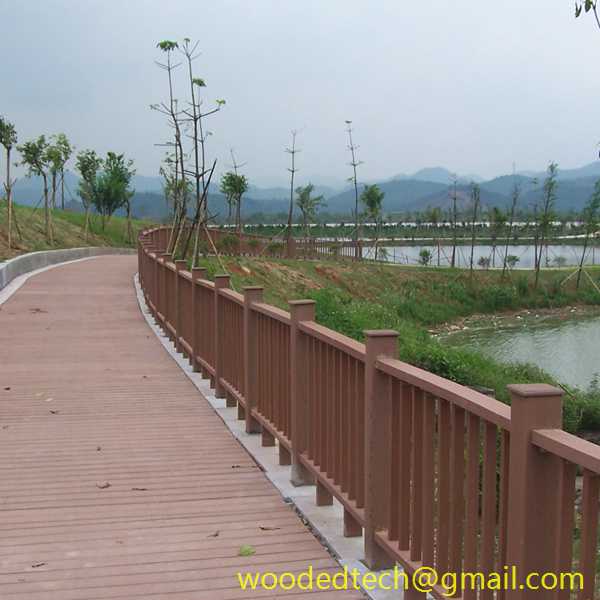
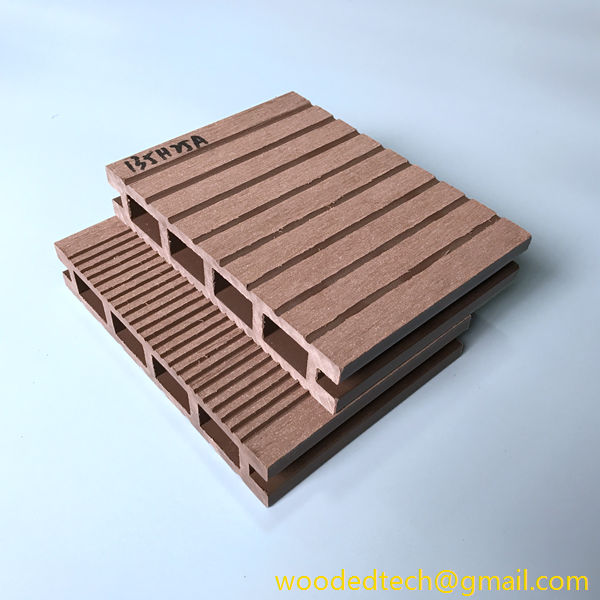
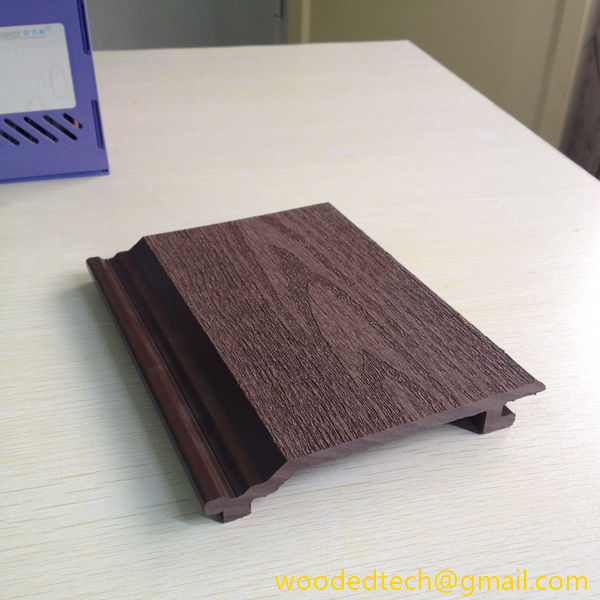
The increasing popularity of outdoor living spaces has further fueled demand for WPC panels. Homeowners and designers are seeking to create seamless transitions between indoor and outdoor environments, and WPC panels provide an ideal solution. Their versatility allows for a wide range of applications, including decking, wall cladding, and fencing. As outdoor design trends continue to evolve, the demand for innovative and visually appealing materials is expected to grow, encouraging manufacturers to diversify their product offerings.
Sustainability remains a key driver in the WPC industry. Consumers are becoming more environmentally conscious, prompting manufacturers to focus on eco-friendly practices. The incorporation of recycled wood fibers and plastic waste into the production of WPC panels not only reduces the carbon footprint of these products but also aligns with global sustainability goals. As a result, many manufacturers are investing in research and development to enhance the sustainability of their offerings, further appealing to environmentally aware consumers.

As the market for WPC panels continues to expand, manufacturers are also exploring opportunities for collaboration with designers and architects to create customized solutions. By working closely with industry professionals, manufacturers can better understand the specific needs and preferences of their clients, leading to the development of tailored products that meet market demands.
The future of exterior WPC panels in modern outdoor design looks promising, driven by a combination of global production capacity, competitive pricing, and an increasing focus on sustainability. As more regions invest in advanced manufacturing capabilities and innovative materials, the accessibility and affordability of WPC panels will continue to improve. This evolution will not only enhance the aesthetic quality of outdoor spaces but also contribute to the development of environmentally responsible building practices, fostering a more sustainable future for the construction industry. The synergy between design innovation and material advancement will undoubtedly shape the landscape of modern outdoor design for years to come.