 English
  Español
  Français
  Português
  Deutsch
  Italiano
  Русский
  العربية
  简体中文
简体中文  香港中文
香港中文  한국어
한국어  日本語
日本語  Türkçe
  Nederlands
  Bahasa Indonesia
 The construction industry is constantly evolving, driven by the need for innovative materials and solutions that enhance the durability, aesthetics, and energy efficiency of buildings. One such innovation that has gained significant traction is the use of external Wood Plastic Composite (WPC) cladding. This unique material combines the best properties of wood and plastic, offering an effective weather-resistant solution for modern building applications.
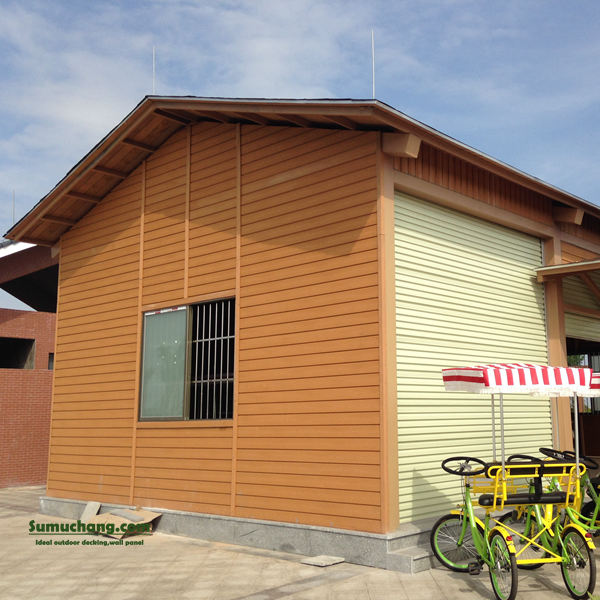
WPC cladding is increasingly sought after in the market due to its versatility and performance. The material is composed of a blend of wood fibers and thermoplastics, resulting in a product that exhibits the desirable traits of both components. The wood fibers provide a natural appearance, while the plastic content enhances durability and resistance to moisture, rot, and insects. This combination makes WPC cladding an ideal choice for external applications, particularly in climates that experience extreme weather conditions.
One of the most significant advantages of WPC cladding is its ability to withstand harsh environmental factors. Traditional wood cladding is often susceptible to warping, splitting, and decay when exposed to moisture. In contrast, WPC cladding is engineered to resist these issues, ensuring that buildings maintain their structural integrity and visual appeal over time. This weather-resistant quality is particularly beneficial in regions prone to heavy rainfall, snow, or high humidity levels, where conventional materials may falter.
The aesthetic appeal of WPC cladding cannot be overlooked. With a wide range of colors, textures, and finishes available, architects and builders can achieve the desired look for their projects without compromising on performance. The material can be designed to mimic the appearance of natural wood, providing a warm and inviting facade while reaping the benefits of enhanced durability. This versatility allows for creative freedom in architectural design, enabling structures to blend seamlessly into their surroundings or make a bold statement.

From a market application perspective, the growing popularity of eco-friendly building materials aligns perfectly with the attributes of WPC cladding. As sustainability becomes a focal point in construction, many consumers are seeking products that minimize environmental impact. WPC cladding is often made from recycled materials, including post-consumer plastics and wood waste, which helps reduce landfill waste and the demand for virgin resources. This eco-conscious approach not only appeals to environmentally aware consumers but also positions WPC cladding as a responsible choice in the marketplace.
The installation process for WPC cladding is another aspect that contributes to its market appeal. The material is lightweight and easy to handle, which can lead to reduced labor costs and shorter installation times. Unlike traditional wood, which may require specialized tools and techniques for cutting and fastening, WPC cladding can be installed using standard tools, making it accessible for a wider range of contractors. This ease of installation can significantly streamline the construction process, allowing projects to be completed more efficiently.
In terms of maintenance, WPC cladding offers a significant advantage over traditional materials. Wood cladding often requires regular painting, staining, or sealing to protect it from the elements, which can be both time-consuming and costly. WPC cladding, on the other hand, typically requires minimal maintenance. It can be cleaned with soap and water, and its resistance to fading means that it retains its color and appearance without the need for frequent treatments. This low-maintenance characteristic is particularly appealing to property owners looking to reduce long-term upkeep costs.
As the demand for sustainable building solutions continues to rise, the market for WPC cladding is expected to grow significantly. Developers and builders are increasingly recognizing the importance of incorporating weather-resistant materials that not only enhance the longevity of structures but also contribute to energy efficiency. WPC cladding can improve insulation properties, helping to regulate indoor temperatures and reduce energy consumption for heating and cooling. This aligns with the broader movement toward energy-efficient building practices and can be a selling point for potential buyers or tenants.
The adaptability of WPC cladding also allows it to be utilized in various applications beyond residential buildings. Commercial properties, institutional facilities, and public structures can all benefit from the durability and aesthetic qualities of WPC cladding. As urban areas expand and the demand for innovative building solutions increases, the versatility of WPC makes it a suitable option for a wide range of developments.
Furthermore, the evolving technological landscape in manufacturing processes has led to advancements in the quality and performance of WPC products. Ongoing research and development efforts are focused on improving the material’s properties, such as fire resistance and UV stability. These enhancements will further solidify WPC cladding’s position as a leading choice for weather-resistant building solutions.
The market for external WPC cladding is poised for continued growth as it aligns with the construction industry’s shifting priorities toward sustainability, durability, and low maintenance solutions. With its unique blend of aesthetic appeal and practical performance, WPC cladding represents a forward-thinking approach to modern building design. As more architects, builders, and property owners recognize the benefits of this innovative material, WPC cladding is likely to become a staple in the construction of weather-resistant structures for years to come.