 English
  Español
  Français
  Português
  Deutsch
  Italiano
  Русский
  العربية
  简体中文
简体中文  香港中文
香港中文  한국어
한국어  日本語
日本語  Türkçe
  Nederlands
  Bahasa Indonesia
 The Benefits of Tongue and Groove Composite Decking
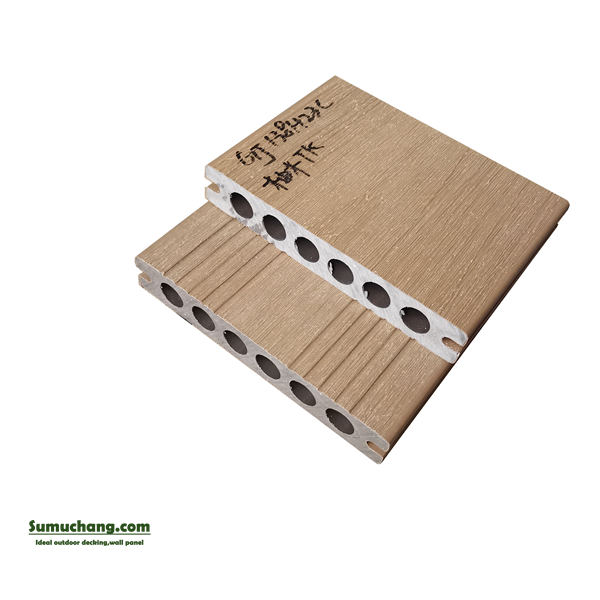
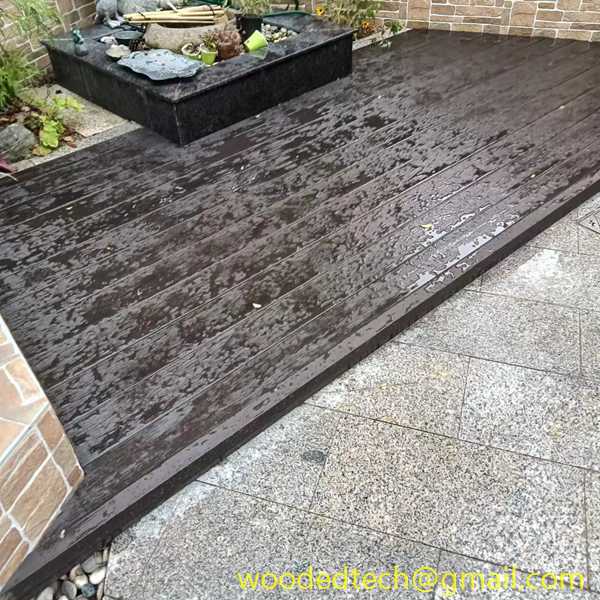
Composite decking has gained immense popularity in landscape design, particularly due to its durability and low maintenance qualities. Among the various installation methods available, tongue and groove composite decking stands out as a preferred choice for many architects and landscape designers. This innovative system not only enhances the aesthetic appeal of outdoor spaces but also addresses practical concerns associated with installation. By interlocking boards, tongue and groove design creates a tight seal that helps prevent moisture infiltration, which is crucial in maintaining the longevity of decking materials.
Architects particularly appreciate the versatility of tongue and groove composite decking. The seamless appearance it offers allows for a clean, refined look that is highly desirable in modern outdoor designs. Moreover, the interlocking mechanism provides stability underfoot, reducing the risk of boards shifting or warping over time. This characteristic is especially beneficial in high-traffic areas, where durability and safety are paramount.
Project Considerations for Tongue and Groove Systems
When incorporating tongue and groove composite decking into a project, there are several factors to consider. Firstly, the specific site conditions such as climate, drainage, and location should inform material selection. In areas prone to heavy rainfall, the tight seal offered by tongue and groove systems can significantly mitigate the risks of moisture-related damage, such as mould growth or rot. Additionally, landscape designers must account for the intended use of the space. Whether it is a residential patio or a public boardwalk, the choice of composite decking should reflect the anticipated load and wear.
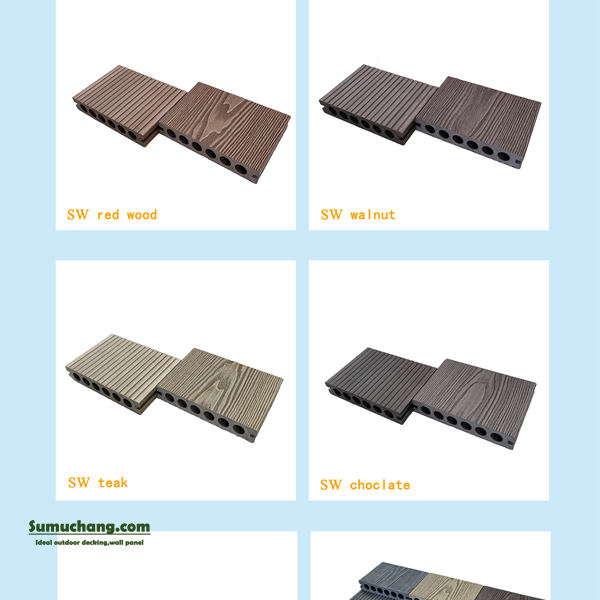
Another important consideration is the colour and texture of the composite boards. The aesthetic must align with the overall design vision of the project. Fortunately, tongue and groove composite decking is available in various shades and finishes, allowing designers to harmoniously integrate it into their plans. Additionally, the option to choose from wood-like finishes or more contemporary styles opens up possibilities for creative expression.
Material Selection and Sustainability
Material selection is not solely about aesthetics; it also encompasses sustainability. As a landscape engineering consultant, I often advise clients to consider eco-friendly composite decking options. Many manufacturers now produce composite materials made from recycled wood and plastic. Choosing such materials not only contributes to environmental conservation but also often results in a more resilient product. When selecting tongue and groove composite decking, it is essential to assess the environmental certifications of the materials being used, ensuring they meet sustainability standards.
Furthermore, the manufacturing process of these composites often incorporates advanced technology to enhance their performance. For instance, some products are treated with additives that improve UV resistance and colour retention. This is particularly advantageous in outdoor applications where exposure to sunlight can lead to fading over time. A well-informed choice in materials will enhance the overall performance and longevity of the installation.
Installation Advantages of Composite Decking
The installation process for tongue and groove composite decking is relatively straightforward, which can be an advantage for project timelines. The interlocking design allows for quicker assembly, reducing labour costs and minimising disruption on-site. Additionally, the precision of the tongue and groove system means that less cutting is required, leading to less waste and a more eco-friendly approach to decking installation.
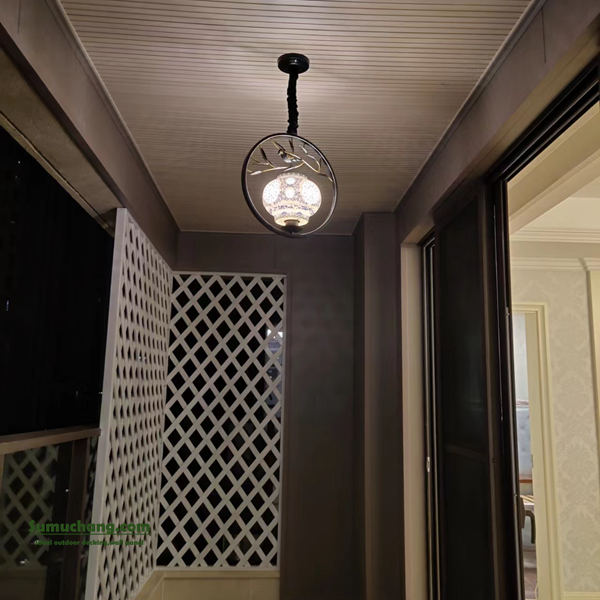
Another benefit of this installation method is its adaptability. Tongue and groove boards can be installed not only horizontally but also vertically, allowing for creative applications, such as wall cladding or decorative features that complement the decking area. This flexibility is a significant advantage for landscape designers looking to create cohesive and visually appealing outdoor environments.
Long-Term Maintenance and Performance
One of the most compelling reasons to choose tongue and groove composite decking is its long-term performance and minimal maintenance requirements. Traditional timber decking often requires regular treatments, sealing, and staining to protect against the elements. In contrast, composite materials are engineered to withstand weathering and do not require the same level of upkeep, allowing property owners to enjoy their outdoor spaces without the constant worry of maintenance.
Furthermore, the design of tongue and groove boards inherently reduces the likelihood of water pooling on the surface, which can lead to slippery conditions and increased wear. This feature enhances the safety of outdoor spaces, making them inviting and enjoyable for users. The longevity and resilience of tongue and groove composite decking ultimately result in a more cost-effective solution over time, as initial investments are offset by reduced maintenance and replacement costs.
Incorporating tongue and groove composite decking into landscape design projects offers a myriad of benefits, from aesthetic appeal to practical performance. Architects and landscape designers can create enduring outdoor environments that not only look beautiful but also stand the test of time. By considering project requirements, material selection, and installation advantages, professionals can ensure their outdoor spaces are both functional and stylish. With the right approach to design and material choice, tongue and groove composite decking emerges as a leading choice for modern outdoor living.