 English
  Español
  Français
  Português
  Deutsch
  Italiano
  Русский
  العربية
  简体中文
简体中文  香港中文
香港中文  한국어
한국어  日本語
日本語  Türkçe
  Nederlands
  Bahasa Indonesia
 Material Mixing in WPC Extrusion
The initial phase of the WPC (Wood-Plastic Composite) extrusion process is material mixing, which directly affects the composite deck installation cost. In this stage, wood flour or cellulose is combined with thermoplastics, such as polyethylene or polypropylene, alongside additives like compatibilizers and UV stabilizers. Achieving the right blend is essential as it influences the mechanical properties, durability, and aesthetics of the final product. A precise formulation can enhance the performance of the composite, leading to a product that offers longevity and visual appeal, ultimately impacting the overall installation cost due to reduced maintenance and replacement frequency.
Homogenisation is vital during mixing. Advanced machinery, like twin-screw extruders, ensures uniform distribution of materials. The quality of mixing can vary based on equipment efficiency and operator skill. An optimal blend results in a material that is not only easier to extrude but also exhibits superior mechanical properties, which are critical for decking applications.
Pelletising Process and Its Impact
Once the materials are thoroughly mixed, they are subjected to the pelletising process. This step involves converting the mixture into pellets, making it easier to handle and store. The size and quality of the pellets can significantly influence the composite deck installation cost. Smaller, uniform pellets facilitate smoother extrusion and enhance the flow characteristics of the material through the extruder.
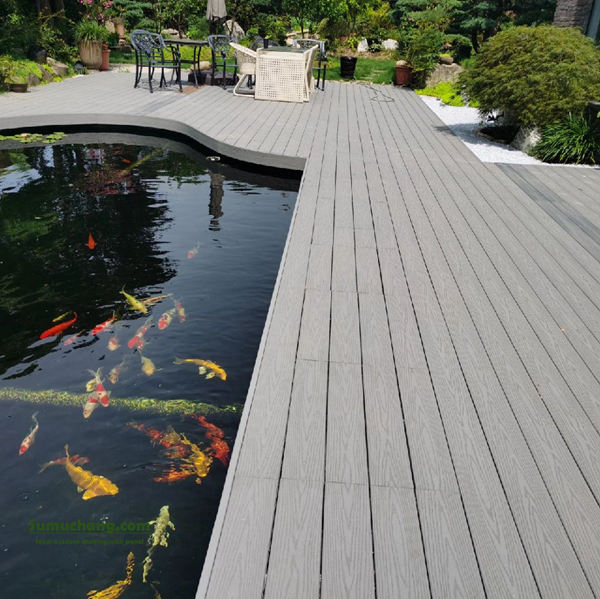
Furthermore, the pelletising stage contributes to the overall consistency of the WPC product. Well-designed pellets reduce the likelihood of defects during the extrusion process, lowering the chances of costly rework and improving production efficiency. As production speed increases, the cost per square metre of decking decreases, making the final product more competitive in the market.
Extrusion Temperature Control
The extrusion process requires meticulous temperature control to ensure proper melting and flow of the composite material. Each component of the WPC has a specific melting point, and maintaining the right processing temperatures is critical to avoid degradation. Overheating can lead to discoloration and loss of mechanical properties, resulting in a product that may not meet industry standards.
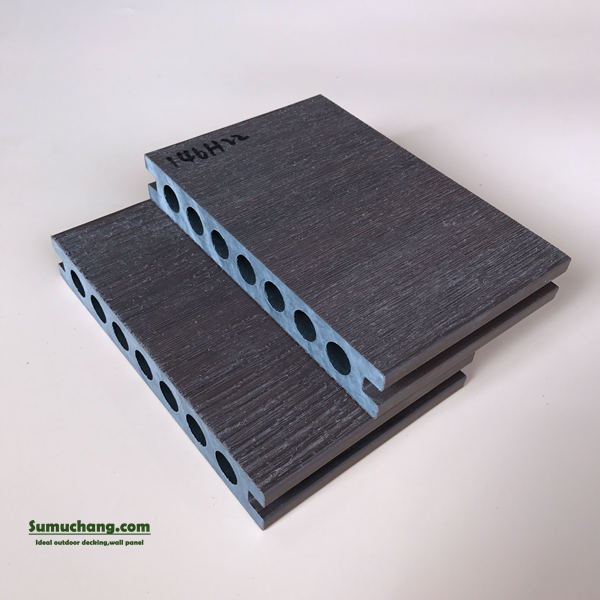
Temperature control is not only crucial for quality but also affects energy consumption during production. A well-regulated temperature profile can enhance the throughput of the extrusion line, ultimately lowering the composite deck installation cost. Efficiency in energy use is a key factor, especially as sustainability becomes a growing concern in construction materials.
Mold Design and Its Role in Production
Mold design is another pivotal element in the WPC extrusion process. The design must accommodate the specific dimensions and profile of the decking boards. A well-engineered mold ensures that the final product meets the desired specifications, while also allowing for efficient cooling and surface treatments. The costs associated with mold fabrication can be significant, but they are offset by the quality and precision they provide.
Moreover, the design of the mold can influence the overall speed of production. A mould that facilitates quick cooling can boost output rates, reducing lead times and lowering the composite deck installation cost. Furthermore, custom designs can accommodate various aesthetics, allowing for a wide range of decorative options that enhance marketability.
Cooling Calibration for Optimal Performance
Cooling is a crucial phase post-extrusion, where the freshly extruded WPC boards are cooled to achieve dimensional stability. Proper cooling calibration prevents warping and ensures that the boards maintain their shape during the installation process. An inefficient cooling system can lead to high scrap rates, thereby driving up overall production costs.
Furthermore, the cooling phase can impact the physical properties of the composite material. Insufficient cooling might result in internal stresses that compromise the decking’s performance over time. Consequently, an efficient cooling system not only secures the quality of the product but also contributes to better cost management throughout the composite deck installation process.
Surface Treatment and Final Quality Control
The final steps involve surface treatment and quality inspection. Surface treatment can enhance the aesthetics and provide additional protection against environmental factors, which adds value to the product. The choice of surface finish influences the installation cost, as more elaborate finishes can require additional time and resources.
Quality control is essential in assuring that the finished boards meet industry standards. Common production problems, such as surface defects or dimensional inaccuracies, can significantly impact the perceived value of the product and lead to increased costs during installation. Establishing rigorous quality inspection protocols ensures that only high-quality products reach the market, reducing the risk of returns and associated costs.