 English
  Español
  Français
  Português
  Deutsch
  Italiano
  Русский
  العربية
  简体中文
简体中文  香港中文
香港中文  한국어
한국어  日本語
日本語  Türkçe
  Nederlands
  Bahasa Indonesia
 Preparing the WPC Material for Extrusion
The successful installation of composite decking is heavily reliant on the quality of the raw materials used in the extrusion process. As a WPC extrusion technology engineer, I can attest to the importance of meticulously mixing the right proportions of wood flour and thermoplastic polymers. This initial mixing stage not only affects the physical properties of the final product but also its performance attributes. The blend must be uniform to ensure that each pellet has the desired characteristics, which is vital for achieving consistency in the finished decking boards.
Following the mixing, the material is subjected to a pelletizing process where it is heated and formed into small, manageable pellets. This stage is critical, as it ensures that the composite materials are appropriately melted and formed to facilitate smooth extrusion. The pellet size and quality can significantly influence the flow rate during extrusion, which directly correlates to the efficiency and output of the production line.
Temperature Control During Extrusion
Extrusion temperature control is paramount in the manufacturing of composite decking. The temperature must be accurately maintained to prevent degradation of the thermoplastic while ensuring optimal viscosity for shaping. Typically, the extrusion process demands a temperature range that accommodates the melting point of the polymers used. If the temperature is too low, the material may not flow correctly, leading to uneven boards. Conversely, excessive heat can cause burning or discoloration, affecting the aesthetic appeal of the decking.
Implementing a well-calibrated temperature control system allows for precise adjustments throughout the extrusion process. Monitoring the temperature at various zones of the extruder ensures that the material is consistently heated. This attention to detail helps in producing high-quality composite decking that adheres closely to installation instructions, ensuring that the end product performs as expected in outdoor settings.
Mold Design and Its Impact on Decking Quality
The design of the mold is another essential component that influences the final decking product. A well-engineered mold can enhance not only the aesthetic features of the boards but also their structural integrity. The mold must be designed to accommodate the specific dimensions and surface textures required for the composite decking, as these features contribute to both functionality and visual appeal.
During the molding process, the cooling phase plays a significant role. After the molten composite is extruded, it enters the cooling system, where controlled conditions help solidify the material. Efficient cooling is vital to prevent warping and dimensional changes in the decking boards. The cooling calibration must be carefully monitored, ensuring that the boards retain their shape and quality once they exit the mold.
Surface Treatment to Enhance Performance
The surface treatment of composite decking is crucial for durability, aesthetics, and performance. Treatments such as co-extrusion can add a protective layer that enhances resistance to UV radiation, moisture, and potential scratches. This additional layer can significantly improve the lifespan of the decking, making it more aligned with the expectations set out in composite deck installation instructions.
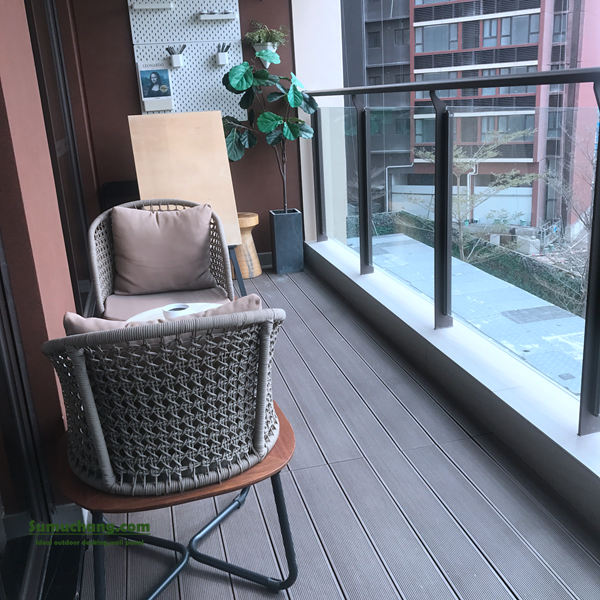
Surface textures can also be modified to improve slip resistance, an important consideration for outdoor applications. The choice of treatment not only enhances safety but can also provide aesthetic benefits, allowing for a variety of finishes that cater to diverse consumer preferences. Proper surface treatment ensures that the decking is not only beautiful but also functional and safe for everyday use.
Common Production Challenges in WPC Decking
Another significant concern is maintaining a consistent flow rate during extrusion. Fluctuations in flow can lead to variations in board thickness and density, which can compromise the structural integrity of the decking and lead to installation issues. It is essential to have robust monitoring systems in place that can detect and rectify any anomalies in real-time to ensure that the final product meets the required specifications.
Quality Control and Compliance with Installation Instructions
Ensuring that the finished composite decking adheres to specified installation instructions requires a comprehensive quality control system. Regular inspections and testing must be conducted at various stages of production to evaluate aspects such as dimensional accuracy, surface quality, and mechanical properties. These assessments are crucial to guarantee that the decking can withstand the environmental stresses it will face once installed.
Incorporating feedback from end-users and installation teams into the quality control process can further enhance the reliability of the product. Continuous improvement practices help identify potential shortcomings, allowing manufacturers to adapt their processes accordingly. This commitment to quality not only fulfills the installation instructions but also cultivates trust with consumers and contractors alike, ensuring satisfaction and performance in outdoor applications.