 English
  Español
  Français
  Português
  Deutsch
  Italiano
  Русский
  العربية
  简体中文
简体中文  香港中文
香港中文  한국어
한국어  日本語
日本語  Türkçe
  Nederlands
  Bahasa Indonesia
 Dimensional Accuracy in Sheet Decking Composite Testing
When selecting sheet decking composite for construction, dimensional accuracy is paramount. This aspect ensures that each composite board conforms to specified measurements, allowing for precise installation. The testing process involves checking the length, width, and thickness of each sheet against strict tolerances. Any deviation can lead to issues such as gaps or misalignment in the finished structure. To ensure dimensional integrity, advanced measurement tools are employed, including laser measuring systems and calibrated gauges, which provide precise readings and eliminate human error.
A close examination of the edges is also crucial. They must be clean and free from imperfections that could compromise the aesthetics or performance of the decking. In addition, proper dimensional accuracy facilitates the ease of installation, ensuring that the boards fit together seamlessly. This level of precision is essential for maintaining not only the visual appeal of the outdoor space but also its structural integrity.
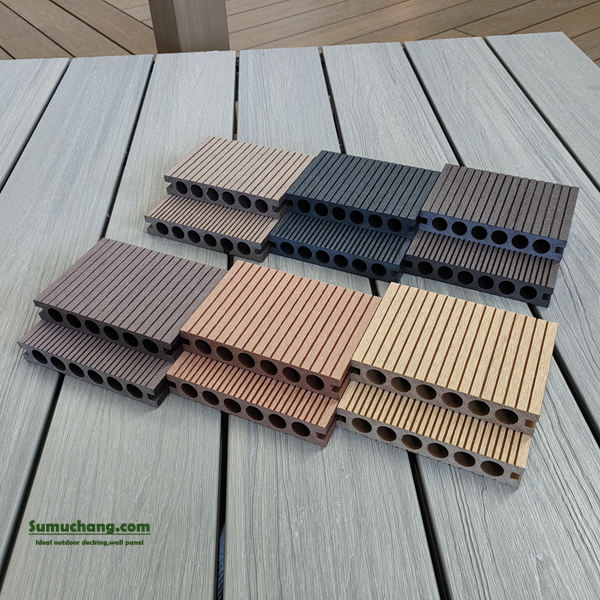
Density Testing of Composite Decking
Density plays a significant role in the performance of sheet decking composite, influencing factors such as durability, weight, and overall strength. Testing for density typically involves calculating the mass of a sample relative to its volume. A higher density often correlates with enhanced stability and resistance to wear and tear. The ideal density for outdoor decking ensures that the material can withstand various environmental conditions while maintaining its structural form over time.
During quality inspections, samples are taken from different batches to assess consistency in density. Variations can indicate issues during the manufacturing process, which may affect the product’s longevity and performance. By adhering to specified density standards, manufacturers can provide a reliable product that meets the expectations of builders and homeowners alike.
Impact Resistance Assessment
Impact resistance is a critical feature of sheet decking composite, especially in outdoor environments where the material may be subjected to heavy foot traffic and various forms of impact. To test this property, standardised impact tests are conducted using weighted pendulums or drop towers, which simulate real-life conditions. The goal is to determine how well the composite can withstand sudden forces without cracking or splintering.
Water Absorption Testing
Water absorption is another vital characteristic of sheet decking composite, as it influences the material’s susceptibility to rot, warping, and degradation. During testing, samples are submerged in water for a specified duration, after which they are weighed to determine the amount of water absorbed. This measurement helps evaluate how well the composite will perform in wet conditions, which is particularly important for outdoor applications.
A well-designed composite should exhibit low water absorption rates, thereby enhancing its resistance to moisture-related issues. The results of these tests inform manufacturers about the effectiveness of their formulations and whether any adjustments are necessary to improve water resistance, ultimately leading to a more reliable product for consumers.
Colour Stability and Appearance Inspection
The aesthetic appeal of sheet decking composite significantly impacts consumer choice. Colour stability is an essential aspect of this appeal, as exposure to UV radiation and weather can lead to fading over time. To test colour stability, samples are subjected to accelerated weathering tests that mimic prolonged exposure to sunlight and moisture. This allows for an assessment of how well the colour holds up under various environmental conditions.
In addition to colour stability, an appearance inspection is conducted to ensure that the finish is consistent and free from defects. This entails examining the surface texture, colour uniformity, and overall visual quality of the composite boards. Attention to these details is essential, as they not only affect the immediate look of the decking but also its perceived value in the marketplace.
Bending Strength Evaluation
Bending strength is another critical property that is assessed during quality control checks for sheet decking composite. This property indicates how much load the material can withstand before it bends or breaks, which is crucial for ensuring safety and performance under various conditions. A three-point bending test is commonly employed to determine this strength, where a sample is placed between two supports and a load is applied at the centre.