 English
  Español
  Français
  Português
  Deutsch
  Italiano
  Русский
  العربية
  简体中文
简体中文  香港中文
香港中文  한국어
한국어  日本語
日本語  Türkçe
  Nederlands
  Bahasa Indonesia
 how to clean composite decking wood and plastic for maintenance
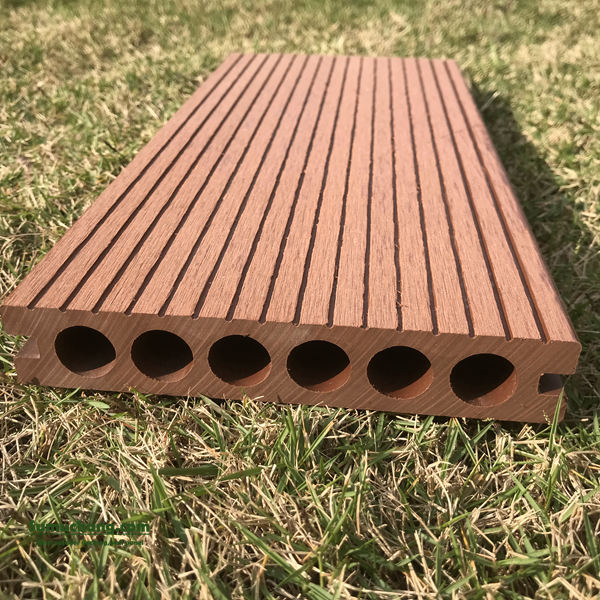
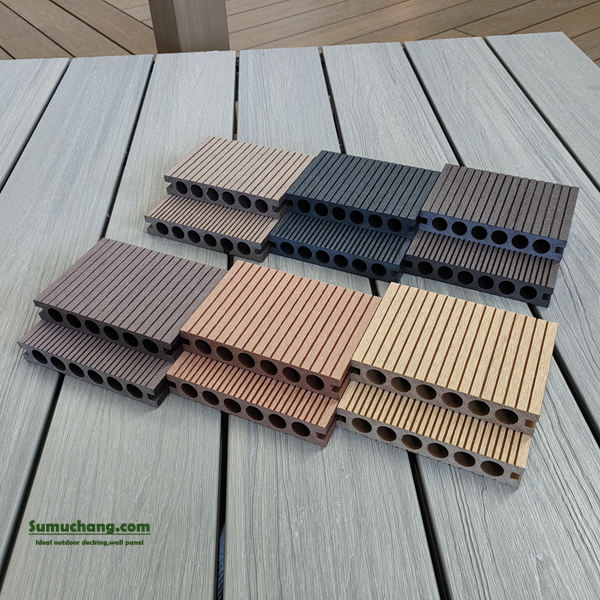
Composite decking, a popular choice for outdoor spaces, combines wood fibers and plastic to create a durable and low-maintenance alternative to traditional wood decking. However, like any outdoor surface, composite decking requires regular cleaning to maintain its aesthetic appeal and longevity. Understanding how to properly clean and maintain this material is essential for homeowners and property managers alike.

To begin cleaning composite decking, it is crucial to gather the right materials. Most cleaning jobs can be accomplished with a broom or leaf blower, a mild detergent, a soft-bristle brush, and a hose. Homeowners should avoid using harsh chemicals or bleach, as these can damage the composite material and lead to discoloration over time. A simple solution of warm water mixed with a mild detergent is often sufficient to remove dirt, grime, and stains.
Before getting started, it is advisable to clear the decking surface of any furniture, planters, or other items. This allows for a thorough cleaning without any obstructions. Once the area is clear, begin by sweeping or blowing away loose debris, such as leaves and dirt, which can trap moisture and promote mold growth.
For routine cleaning, applying the soapy water solution to the surface can be done using a bucket and a soft-bristle brush. It is best to scrub in the direction of the wood grain to avoid scratching the surface. Pay special attention to areas that may accumulate dirt more easily, such as corners and spaces between boards. After scrubbing, rinse the deck thoroughly with a hose to remove all soap residue. This step is crucial, as leftover detergent can lead to a slippery surface.
In addition to routine maintenance, it is essential to address stains as soon as they occur. Common culprits include food spills, grease, and mold. For food and grease stains, a mixture of baking soda and water can be used to create a paste that can be applied directly to the stain. Let it sit for a few minutes before scrubbing gently and rinsing. For mold and mildew, a solution of equal parts vinegar and water can be effective. Spray the affected area, let it sit for a while, and then scrub and rinse.

In regions where composite decking is exposed to harsh weather conditions, cleaning may need to be more frequent. Areas with heavy rainfall or humidity can see increased mold and mildew growth, while regions with high dust or pollen levels may require more regular sweeping or washing. Tailoring the cleaning frequency to the local climate helps ensure the longevity of the decking.
Additionally, it is important to keep in mind the installation method of the composite decking. If the boards are installed with proper spacing, it allows for better drainage and airflow, which can reduce the likelihood of mold and mildew growth. Maintaining this spacing is also part of regular upkeep, as it ensures that debris does not become trapped between the boards.
Another aspect of maintaining composite decking is addressing scratches and scuffs that may occur over time. While composite decking is designed to be more resistant to wear and tear than traditional wood, it is not entirely impervious. Light scratches can often be buffed out with a fine-grit sandpaper, but care should be taken to sand in the direction of the grain and to use light pressure to avoid damaging the surface further. For deeper scratches, manufacturers may offer color-matched repair kits that can help restore the appearance of the decking.
When considering the global production and pricing of composite decking, it is noteworthy that different regions may have varying access to materials and production capabilities. Countries with abundant natural resources may produce more wood-based composites, while areas with advanced plastic recycling technology may focus on plastic-heavy composites. This distribution impacts pricing, with regions closer to production facilities generally enjoying lower costs due to reduced shipping fees.
As more homeowners seek environmentally friendly building materials, the demand for composite decking continues to rise. This demand, coupled with innovations in production techniques, may lead to more competitive pricing in the future. Sustainable practices in sourcing and manufacturing can also appeal to eco-conscious consumers, further influencing the market dynamics.
In summary, the proper maintenance of composite decking involves regular cleaning, prompt attention to stains, and occasional repairs. By understanding the cleaning process and integrating it into a routine maintenance plan, homeowners can ensure their composite decking remains an attractive and functional part of their outdoor living space for years to come. Additionally, keeping an eye on market trends and material sourcing can provide insights into future developments in composite decking products and pricing.