 English
  Español
  Français
  Português
  Deutsch
  Italiano
  Русский
  العربية
  简体中文
简体中文  香港中文
香港中文  한국어
한국어  日本語
日本語  Türkçe
  Nederlands
  Bahasa Indonesia
 Customising Composite Decking Dimensions
When designing composite decking for front porch areas, one of the primary considerations is the dimensions of the decking boards. Manufacturers offer a variety of profile dimensions that cater to different architectural styles and consumer preferences. This customisation allows for flexibility in design, ensuring that each porch area can be fitted with decking that enhances its overall aesthetic appeal. For instance, wider boards may be chosen for a bold, contemporary look, while narrower boards can create a more traditional feel. Understanding the specific requirements of the project allows OEMs to produce tailored solutions that meet the needs of global customers.
Moreover, the thickness of the decking boards is another critical factor. Thicker boards provide greater durability and resistance to wear, making them an excellent choice for high-traffic areas such as front porches. This focus on durability aligns with the industry’s push towards sustainable building materials, as thicker boards typically have a longer lifespan, reducing the need for frequent replacements.
Colour Options for Composite Decking
Colour selection is essential when designing composite decking for front porch applications. Manufacturers recognise that colour can significantly impact the overall appearance and feel of an outdoor space. Therefore, a wide range of colours is offered, from natural wood tones to vibrant hues. Custom colour mixing services allow customers to specify unique shades that complement their home’s exterior. This level of customisation not only satisfies aesthetic desires but also caters to regional preferences, as different areas may favour certain colours.
By providing a palette that reflects the diverse tastes of global customers, manufacturers can ensure that each installation is unique and personalised. This attention to detail further reinforces the value of OEM partnerships, fostering a collaborative approach to design that enhances customer satisfaction.
Surface Textures and Finishes
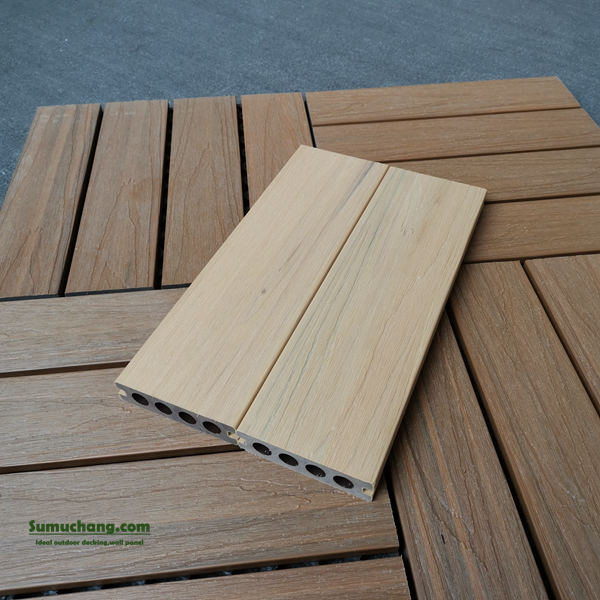
The surface texture of composite decking boards plays a pivotal role in both functionality and design. Manufacturers can offer various textures, from smooth finishes for a sleek appearance to textured surfaces that provide additional grip. This is particularly important for front porches, where safety is a priority. A textured surface can help prevent slips and falls, making it a practical choice for families and older adults.

Additionally, textured finishes can enhance the visual appeal of composite decking. By simulating the look and feel of natural wood grains, textured boards can create a warm, inviting atmosphere. This is particularly beneficial for outdoor spaces, where the goal is often to create a seamless transition between indoor and outdoor living areas. By offering a variety of textures, manufacturers can help customers achieve their desired aesthetic while ensuring the safety and durability of the decking.
Packaging and Branding Solutions
Customisation extends beyond the product itself to include packaging and branding. For manufacturers supplying composite decking for front porches, the packaging plays an essential role in product presentation and marketing. Tailored packaging solutions can enhance brand visibility while also providing necessary information about the product’s features and benefits.
Incorporating brand logos, colour schemes, and product specifications into packaging design not only helps in creating a cohesive brand identity but also supports the marketing efforts of OEM partners. Furthermore, eco-friendly packaging options resonate well with today’s environmentally conscious consumers, aligning with the sustainable ethos prevalent in the building materials industry.
Special Applications and Uses
Another essential aspect of designing composite decking for front porches is the consideration of special applications. Different regions may have specific requirements based on climate, local regulations, or intended use. For instance, areas prone to high humidity or heavy rainfall may necessitate additional treatments or features to ensure longevity and performance.
OEMs can collaborate with clients to create custom composite decking solutions that meet these specific needs. This may involve enhancing moisture resistance or integrating antislip properties for safety. By understanding the unique challenges posed by different environments, manufacturers can deliver decking products that not only meet but exceed customer expectations.
Collaboration for Tailored Solutions
Finally, the process of designing composite decking for front porches is most effective when there is a collaborative effort between manufacturers and customers. OEM customisation specialists play a vital role in facilitating this collaboration, bringing together the technical knowledge of the manufacturers and the specific needs of the clientele.
By actively engaging with customers throughout the design process, manufacturers can ensure that every aspect of the composite decking is tailored to their requirements. This partnership approach not only enhances product satisfaction but also fosters long-term relationships that benefit both parties. As the demand for customised solutions continues to grow, the role of OEMs in the design and manufacturing process will undoubtedly become more critical in delivering quality composite decking for front porch areas.