 English
 Español
 Français
 Português
 Deutsch
 Italiano
 Русский
 العربية
 简体中文
 香港中文
 한국어
 日本語
 Türkçe
 Nederlands
 Bahasa Indonesia
how to install wpc cladding for modern aesthetics
Wood-plastic composite (WPC) cladding has gained popularity in modern architectural design due to its aesthetic appeal and excellent performance characteristics. This innovative material combines the natural beauty of wood with the durability and low maintenance of plastic, making it an ideal choice for both residential and commercial spaces. The installation of WPC cladding requires careful consideration of various factors to ensure a successful and visually pleasing result.
Before commencing the installation, it is essential to choose high-quality WPC materials. The performance of WPC cladding depends significantly on its composition, which typically includes a blend of wood fibers and recycled plastic. This combination not only enhances the strength and stability of the cladding but also provides resistance to fading, moisture, and insects. Selecting a reputable manufacturer that adheres to industry standards can ensure that the material you choose will perform well over time.

Once the appropriate WPC cladding is selected, the next step involves preparing the installation area. The surface on which the cladding will be installed should be clean, dry, and structurally sound. Any existing materials, such as old siding or paint, should be removed to provide a smooth surface for the WPC. Additionally, it is advisable to inspect the underlying structure for any signs of damage or rot, as these issues may compromise the integrity of the cladding.
The installation process begins with the framing. Proper framing is crucial for providing support to the WPC cladding. The framing should be spaced at regular intervals, generally around 16 to 24 inches apart, depending on the specific requirements of the WPC product used. It is essential to use stainless steel or coated fasteners to prevent rust and ensure a long-lasting installation. Additionally, a moisture barrier should be installed behind the cladding to protect the structure from water damage.
When attaching the WPC cladding, it is important to follow the manufacturer’s guidelines regarding spacing and fastening. Most WPC products feature hidden fastening systems that create a clean and modern look. These systems not only enhance aesthetics but also allow for natural expansion and contraction of the material. Proper spacing between cladding boards is necessary to accommodate these movements, which helps to prevent warping or buckling over time.

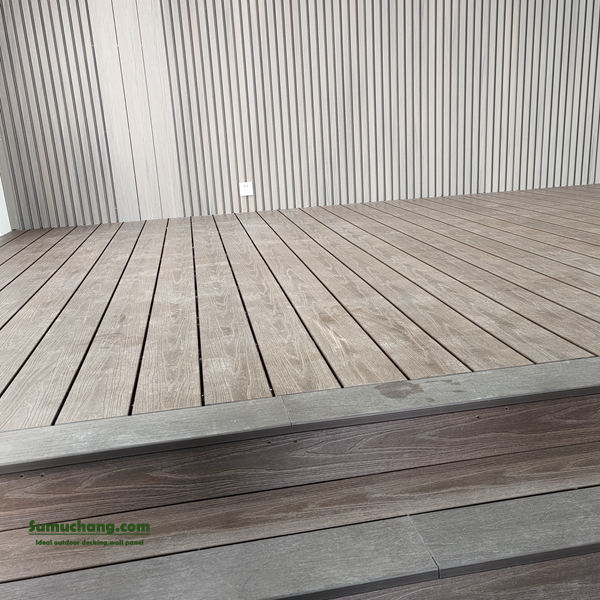
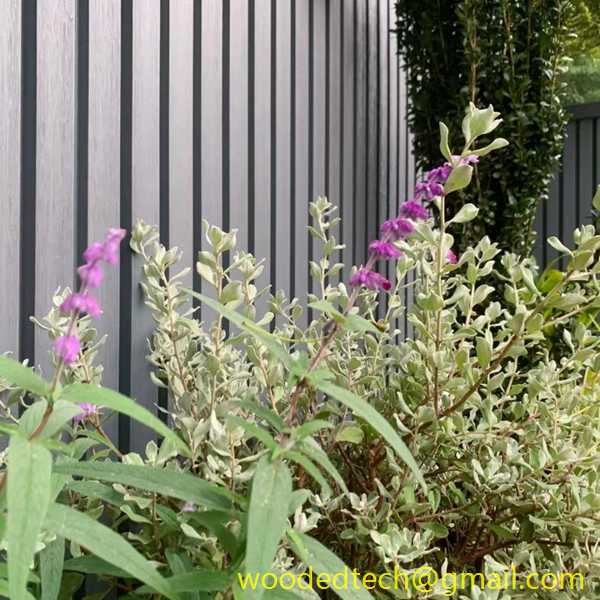
For a modern aesthetic, consider the orientation and layout of the WPC cladding. Horizontal installations can create a sense of width and spaciousness, while vertical installations can add height and a contemporary feel to the facade. Additionally, mixing different colors or finishes can create visual interest and enhance the overall design. It is important to plan the layout before starting installation to ensure that the final appearance aligns with the intended vision.
Another crucial aspect of installation is ensuring proper ventilation behind the cladding. Adequate airflow helps to prevent moisture buildup, which can lead to mold and decay. Installing vertical batten strips or using vented spacers can facilitate airflow and maintain the integrity of the structure. This attention to detail not only enhances the performance of the cladding but also contributes to its longevity.
After the installation is complete, maintenance becomes an important consideration. One of the significant advantages of WPC cladding is its low maintenance requirements compared to traditional wood. However, periodic cleaning with mild soap and water is recommended to remove dirt and debris. This not only keeps the cladding looking its best but also helps to maintain its performance characteristics.
The choice of WPC cladding can also contribute to sustainable building practices. Many manufacturers use recycled materials in their products, making WPC a more environmentally friendly option compared to traditional wood or vinyl siding. This aspect appeals to modern consumers who are increasingly conscious of their environmental footprint.
The installation of WPC cladding presents a unique opportunity to enhance the aesthetics of a building while benefiting from the material’s performance advantages. By carefully selecting quality materials, preparing the installation area, and following best practices during the installation process, homeowners and builders can achieve a modern look that is both stylish and functional. The versatility of WPC allows for creative designs that can complement various architectural styles, making it an excellent choice for contemporary building projects.
Ultimately, WPC cladding stands out as a modern solution that not only elevates the visual appeal of structures but also meets the demands of durability and low maintenance. Its ability to combine aesthetics with performance makes it a preferred material in today’s construction landscape. As more people recognize the benefits of WPC cladding, it is likely to remain a popular choice for years to come.