 English
  Español
  Français
  Português
  Deutsch
  Italiano
  Русский
  العربية
  简体中文
简体中文  香港中文
香港中文  한국어
한국어  日本語
日本語  Türkçe
  Nederlands
  Bahasa Indonesia
 how to put plastic decking down for effective installation
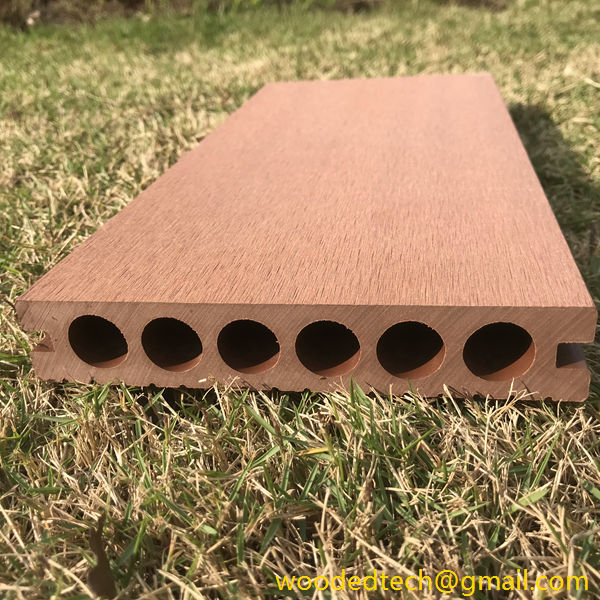
When it comes to installing plastic decking, understanding the production process of the materials involved is crucial for effective installation. Plastic decking is manufactured through a process that involves the extrusion or molding of thermoplastic polymers, often combined with various additives to enhance performance characteristics such as durability, color retention, and resistance to UV rays. This background knowledge can aid in ensuring that the installation process is carried out effectively.

Before beginning the installation, it is essential to prepare the site thoroughly. This involves clearing the area of any debris, vegetation, or old decking materials. The ground should be leveled, and if necessary, a layer of gravel may be added to facilitate drainage. Proper drainage is vital to ensure the longevity of the decking; standing water can lead to problems such as warping or mold growth over time.
Next, it is essential to establish a solid foundation for the plastic decking. This foundation is typically made from treated wood or composite materials and should be installed perpendicularly to the direction in which the decking boards will be laid. Spacing is important; typically, joists should be placed 16 inches apart, although this can vary based on the specific product being used. Ensuring that the foundation is level and securely anchored will prevent any movement or shifting of the decking in the future.
Once the foundation is in place, it is time to begin laying the decking boards. Many manufacturers provide specific guidelines regarding the spacing and installation of their products, and following these recommendations is crucial for maintaining any warranties. The first board should be positioned at one end of the foundation, ensuring that it is flush with the edge. The use of spacers can help maintain consistent gaps between the boards, which is critical for allowing for expansion and contraction due to temperature changes.

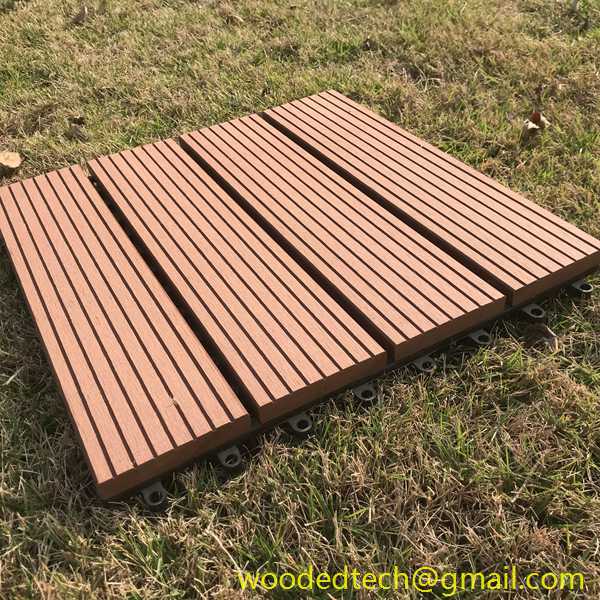
When fastening the boards, there are several methods to consider. Many plastic decking products come with hidden fasteners that provide a clean look and prevent screws from being visible on the surface. This not only enhances aesthetics but also reduces the chances of water pooling on the surface. If screws are used, they should be driven straight and not over-tightened, as this could lead to cracking or other damage to the boards.
As the installation progresses, it is essential to maintain alignment and ensure that the boards are straight. A chalk line can be helpful in marking where the boards should be placed, ensuring that they are evenly spaced and aligned. Regularly checking the level is also advisable, as this can help identify any unevenness before the installation is complete.
One significant advantage of plastic decking is its low maintenance requirements. Unlike traditional wooden decks, which may require regular staining or sealing, plastic decking is often designed to resist fading and staining. This means that once the installation is complete, the primary maintenance task will be periodic cleaning with soap and water to remove dirt and debris.
After all the boards are installed, it is important to perform a thorough inspection. Check for any loose boards, uneven gaps, or misaligned edges. Addressing these issues before the completion of the project will help ensure a safe and visually appealing finished product. Additionally, it is advisable to review the entire installation with the manufacturer’s guidelines to ensure compliance with their recommendations.
Finally, once the installation is complete, consider adding finishing touches such as railings, steps, or lighting. These features not only enhance the usability of the deck but can also add aesthetic appeal. The materials used for these additional elements should ideally match or complement the plastic decking to create a cohesive look.
In summary, successfully installing plastic decking involves careful planning and understanding of the materials and processes involved. From site preparation and foundation establishment to board installation and final inspection, each step plays a crucial role in achieving a durable and attractive decking solution. By adhering to manufacturer guidelines and maintaining attention to detail throughout the process, homeowners can enjoy the benefits of a well-installed plastic deck for years to come.