 English
  Español
  Français
  Português
  Deutsch
  Italiano
  Русский
  العربية
  简体中文
简体中文  香港中文
香港中文  한국어
한국어  日本語
日本語  Türkçe
  Nederlands
  Bahasa Indonesia
 Selecting the Right Grey Composite Deck
Choosing a grey composite deck for modern outdoor spaces requires careful consideration of various factors, especially when it comes to the formulation of the wood plastic composite (WPC) materials used. As a WPC formulation development engineer, I understand the importance of balancing wood fibre content, plastic ratios, and additives to create high-performance products that stand the test of time. The aesthetic appeal of a grey composite deck is undeniable, but its performance characteristics are equally essential for ensuring longevity and durability.
The ideal wood fibre content typically ranges between 40 to 70 percent, depending on the desired properties of the final product. Higher wood fibre content can enhance the natural appearance and texture, lending a warm, organic feel to outdoor spaces. However, it may also lead to increased water absorption rates, which can cause swelling and deformation over time. Therefore, finding the right balance is crucial to achieving a product that not only looks great but also performs well under various environmental conditions.
Plastic Ratio and Additives
The plastic component in a grey composite deck formulation is critical for ensuring resistance to moisture, UV exposure, and general wear and tear. Typically, the plastic ratio should complement the wood fibre content to enhance overall durability while maintaining aesthetic qualities. Commonly used plastics include polyethylene and polypropylene, known for their resilience and longevity. Additives such as UV stabilisers and antifungal agents can also be incorporated to further enhance performance, ensuring the deck retains its colour and structural integrity for many years.
Cost control is another important aspect of WPC formulation. While high-quality materials and additives can improve the deck’s lifespan, they also increase production costs. The challenge lies in sourcing sustainable, high-quality materials at a reasonable price without compromising the product’s performance. By strategically selecting additives and optimising the formulation, it is possible to create an economically viable grey composite deck that meets high-performance standards.
Product Lifespan Considerations
The lifespan of a grey composite deck is influenced by multiple factors, including the formulation, installation, and maintenance practices. A well-formulated WPC deck has the potential to last 25 years or more, provided it is properly maintained. Regular cleaning and the application of protective coatings can significantly extend the life of the material, keeping it looking new and functional throughout the seasons. Environmental factors such as exposure to harsh weather conditions and heavy foot traffic also play a critical role in determining longevity.
In addition to formulation and maintenance, proper installation techniques are vital for ensuring that a grey composite deck performs optimally. Attention to detail during the installation process can help prevent issues such as moisture infiltration, which can lead to mould and degradation of the materials. Therefore, collaborating with experienced installation technicians who understand the properties of WPC can greatly enhance the product’s performance and lifespan.
Designing for Aesthetics and Functionality
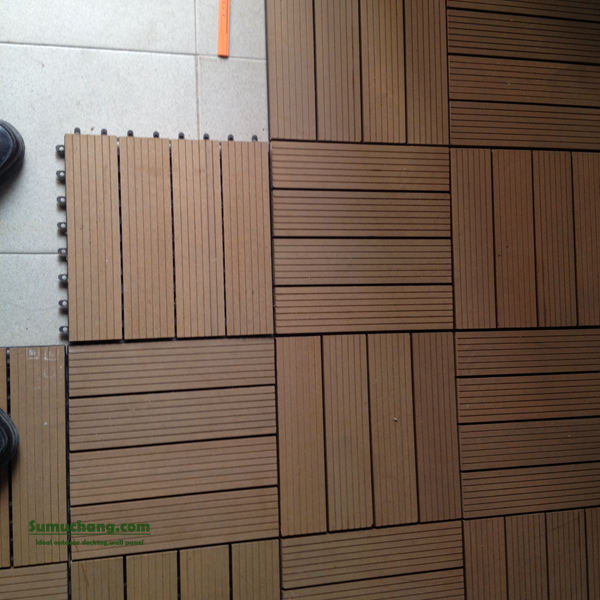
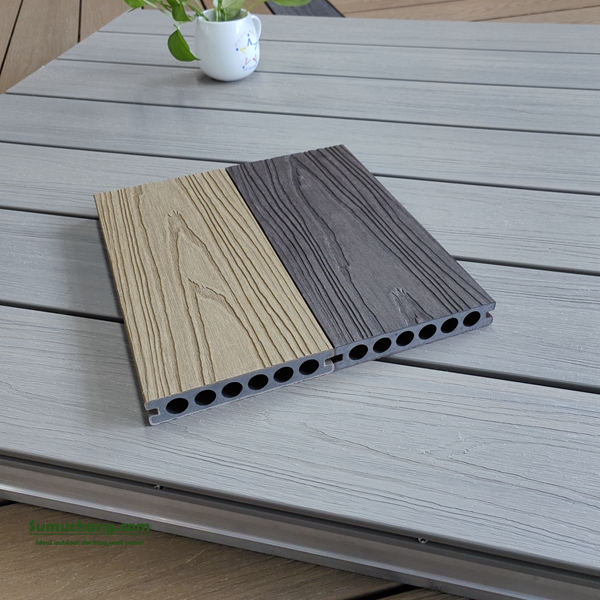
When developing a grey composite deck, it is essential to consider the overall design of the outdoor space. While functionality is paramount, the aesthetic appeal should not be overlooked. The grey hue can complement various architectural styles and landscaping elements, providing a sleek and contemporary look. Textures and finishes also play a significant role in enhancing the visual appeal of the decking. For instance, a wood-grain finish can provide a traditional look while still benefiting from the modern advantages of composite materials.
Moreover, understanding the specific application of the grey composite deck, be it for patios, pool surrounds, or pathways, can guide the formulation process. Each application may require different performance characteristics and aesthetic considerations, ensuring that the product not only fits the intended use but enhances the overall outdoor experience.
Future Trends in Composite Decking
The landscape of composite decking is continuously evolving, with a growing emphasis on sustainability and eco-friendliness. As a WPC formulation development engineer, it is important to stay ahead of trends, particularly those related to sustainable building materials. With advancements in recycling technologies and the use of reclaimed materials, there are exciting opportunities to create even more environmentally friendly grey composite decks. This shift not only reduces the environmental footprint of the product but also appeals to increasingly eco-conscious consumers.
By focusing on innovative formulation techniques, we can push the boundaries of what grey composite decking can achieve, combining beauty, durability, and sustainability in one attractive package. The future of outdoor spaces looks brighter with the continued development of high-performance WPC materials that cater to modern design sensibilities.