 English
  Español
  Français
  Português
  Deutsch
  Italiano
  Русский
  العربية
  简体中文
简体中文  香港中文
香港中文  한국어
한국어  日本語
日本語  Türkçe
  Nederlands
  Bahasa Indonesia
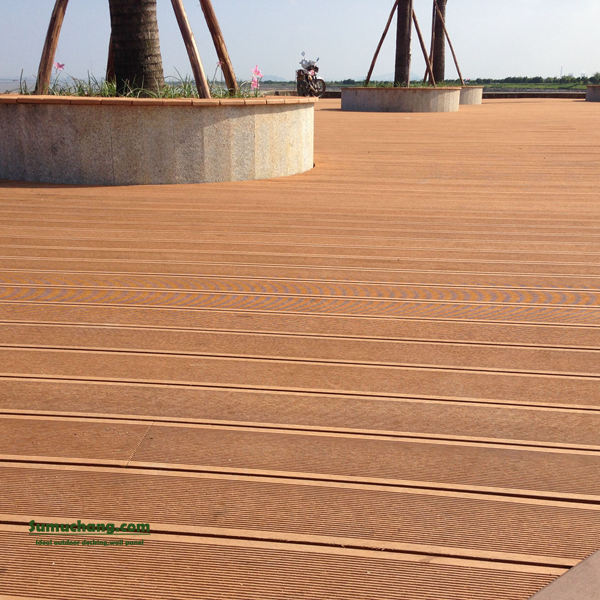
 Composite decking has gained popularity as a reliable choice for outdoor surfaces, particularly for residential and commercial applications. The dimensions of 1-5/8 inches in thickness provide a sturdy foundation that enhances its performance and durability. This thickness, combined with the unique properties of composite materials, offers several advantages that make it an ideal option for outdoor environments.
One of the primary benefits of composite decking is its resistance to the elements. Traditional wood decking can warp, splinter, and rot when exposed to moisture, UV rays, and temperature fluctuations. However, composite decking is engineered to withstand these harsh conditions. The material is typically made from a blend of wood fibers and recycled plastic, which creates a product that is less susceptible to water damage. This means that homeowners and property managers can enjoy their outdoor spaces without the constant worry of maintenance that comes with natural wood.
Moreover, the composition of composite decking contributes to its dimensional stability. The 1-5/8 inch thickness provides added strength, allowing it to resist bending and sagging over time. This is particularly important in areas with heavy foot traffic or where heavy furniture may be placed. Unlike wood, which can bow under pressure, composite decking maintains its integrity, ensuring a reliable surface for gatherings and activities.

Another significant advantage of composite decking is its resistance to insect damage. Wood is often vulnerable to termites and other pests that can compromise its structural integrity. Composite materials, on the other hand, are not appealing to insects, making them a safer choice for outdoor applications. This characteristic not only prolongs the lifespan of the decking but also reduces the need for chemical treatments, contributing to a more environmentally friendly option.
The low maintenance requirements of composite decking are another reason for its growing popularity. While traditional wood requires regular staining, sealing, and cleaning to maintain its appearance and prevent deterioration, composite decking requires minimal upkeep. A simple wash with soap and water is often sufficient to keep it looking new. This ease of maintenance saves homeowners time and money while allowing them to enjoy their outdoor spaces without the burden of extensive care.
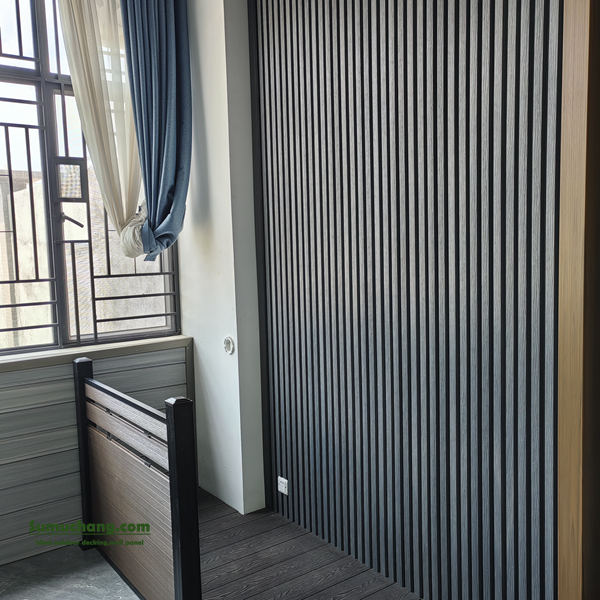
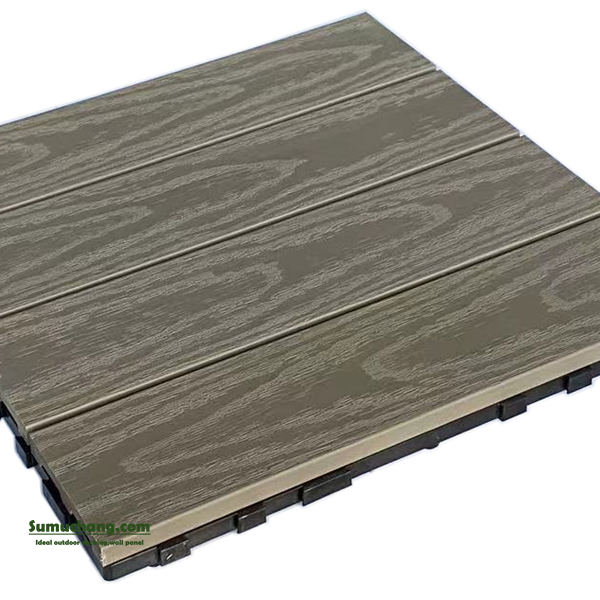
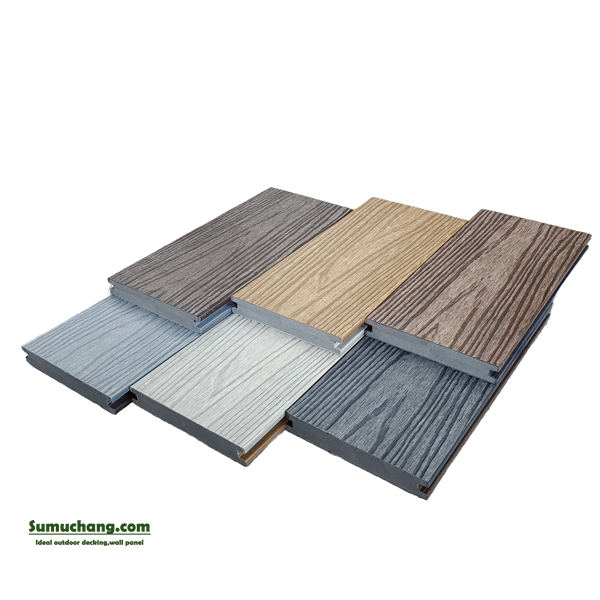
Aesthetically, composite decking has evolved significantly over the years. Manufacturers now offer a wide range of colors, textures, and finishes that mimic the appearance of natural wood. This versatility allows homeowners to achieve the desired look for their outdoor areas without sacrificing performance. The ability to choose from various styles means that composite decking can complement a range of architectural designs and landscaping themes.
Safety is another critical aspect to consider when evaluating outdoor surfaces. Composite decking is designed with features that enhance safety in outdoor environments. Many products have slip-resistant surfaces, making them suitable for wet conditions, which is a common concern for decks exposed to rain or poolside areas. This safety feature makes composite decking an excellent choice for families with children or for those who frequently entertain guests outdoors.

In terms of sustainability, composite decking stands out as an eco-friendly option. By utilizing recycled materials, such as plastic and wood fibers, composite decking reduces the demand for virgin lumber. This not only helps to conserve forests but also contributes to waste reduction by repurposing materials that would otherwise end up in landfills. Choosing composite decking aligns with a growing desire among consumers to make environmentally responsible choices in their home improvement projects.
The thermal performance of composite decking is also notable. Unlike traditional wood, which can become extremely hot when exposed to direct sunlight, many composite options are designed to remain cooler underfoot. This characteristic is particularly beneficial for areas that receive significant sun exposure, as it enhances comfort and usability. Homeowners can walk barefoot on their decks without discomfort, making outdoor spaces more inviting.
Furthermore, the longevity of composite decking is a significant factor in its appeal. With proper installation and care, composite materials can last for decades, far surpassing the lifespan of traditional wood. This durability not only ensures a long-lasting investment but also provides peace of mind, knowing that the outdoor surface will maintain its functionality and appearance over time.
In essence, composite decking with a thickness of 1-5/8 inches offers a multitude of benefits that make it an ideal choice for outdoor surfaces. Its resistance to weathering, insect damage, and safety features contribute to its reliability. Additionally, the low maintenance requirements, aesthetic versatility, and eco-friendly attributes further enhance its appeal. By selecting composite decking, homeowners can create beautiful, functional outdoor spaces that stand the test of time while minimizing their environmental impact.