 English
  Español
  Français
  Português
  Deutsch
  Italiano
  Русский
  العربية
  简体中文
简体中文  香港中文
香港中文  한국어
한국어  日本語
日本語  Türkçe
  Nederlands
  Bahasa Indonesia
 installing composite deck boards for reliable construction
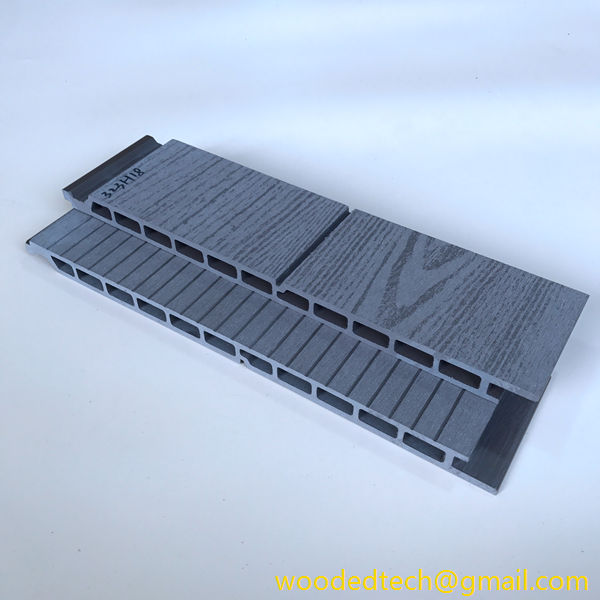
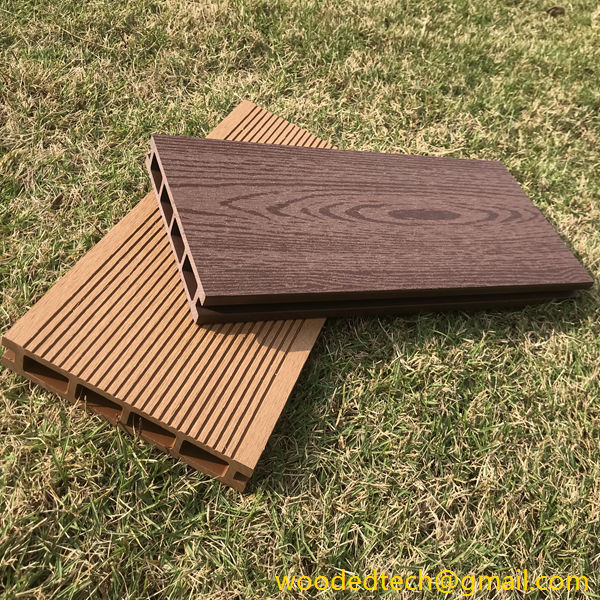
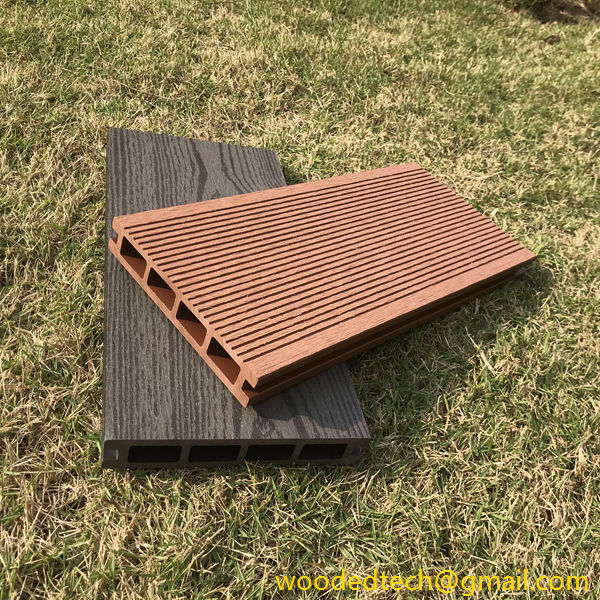
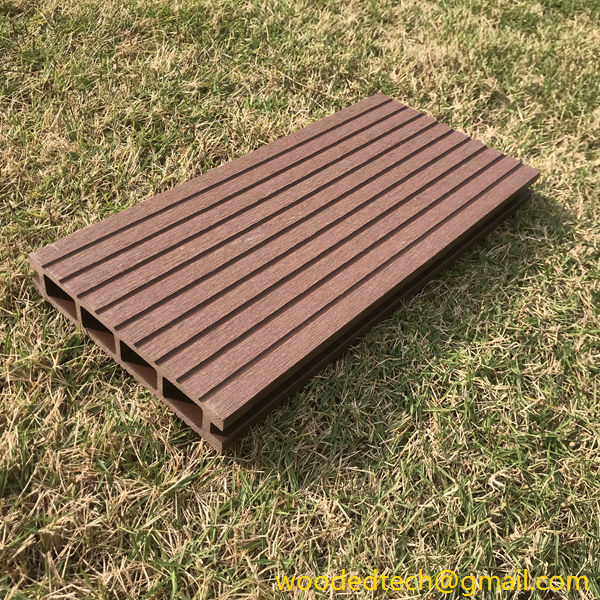
Installing composite deck boards requires a thorough understanding of the materials and manufacturing processes that contribute to their performance and longevity. Composite decking has gained popularity due to its durability, low maintenance, and aesthetic appeal. These boards are typically made from a mixture of wood fibers and recycled plastic, which are combined through advanced manufacturing techniques to create a product that mimics the look of natural wood while offering superior resistance to the elements.
The production of composite deck boards begins with the selection of raw materials. The wood fibers used in composite decking are often sourced from sawmill waste, ensuring a sustainable approach to material sourcing. This incorporation of recycled materials not only reduces waste but also enhances the environmental credentials of composite decking. The plastic component, usually high-density polyethylene or polypropylene, is also often derived from recycled sources, contributing to the overall sustainability of the product.
Once the raw materials are sourced, they undergo a series of processing steps to prepare them for the composite manufacturing process. The wood fibers are dried to a specific moisture content to ensure optimal bonding with the plastic matrix. This drying process is crucial because excess moisture can lead to issues such as mold growth or warping in the finished product. After drying, the wood fibers are blended with the plastic resin in precise ratios, which are determined based on the desired performance characteristics of the final product.

The blending process is key in creating a homogeneous mixture that maximizes the strength and durability of the composite deck boards. Additives such as colorants, UV stabilizers, and anti-fungal agents may also be included in this stage to enhance the performance and appearance of the boards. The specific formulation can vary between manufacturers, but the goal remains the same: to create a product that withstands the rigors of outdoor exposure while maintaining its aesthetic appeal.
Following the blending stage, the mixture is subjected to heat and pressure in a process known as extrusion. During extrusion, the combined materials are forced through a die to form continuous sheets or boards of composite material. This step not only shapes the boards but also aids in the bonding of the wood fibers and plastic resin. The extrusion process is critical as it determines the density and structural integrity of the finished product.

After extrusion, the boards are cooled and cut to the desired lengths. At this point, quality control measures are implemented to ensure that each board meets the specified standards for strength, appearance, and performance. Rigorous testing is conducted, including assessments of moisture resistance, color stability, and structural integrity. These tests are essential in ensuring that the final product will perform well in various environmental conditions.
Once the composite deck boards have passed quality control, they are prepared for installation. Proper installation is vital for ensuring the longevity and performance of the decking. The first step in the installation process is to prepare the substructure, which typically consists of treated lumber or metal framing. It is important that the substructure is level and adequately supported, as any unevenness can lead to premature wear or structural failure of the decking.
When installing composite deck boards, it is essential to allow for proper expansion and contraction due to temperature changes. Composite materials can expand or contract slightly with changes in temperature, so spacing between boards must be maintained according to manufacturer guidelines. Fasteners used for securing the boards should also be compatible with composite materials to prevent issues such as rusting or corrosion, which can compromise the integrity of the deck.
During installation, it is recommended to use hidden fasteners that provide a clean, finished look while also allowing for natural movement of the boards. This method not only enhances the aesthetics of the deck but also minimizes the chances of splintering or damage to the board edges. Proper alignment and secure fastening are critical to achieving a durable and visually appealing deck.
After installation, regular maintenance is minimal compared to traditional wood decking. Composite decks should be cleaned periodically to remove dirt and debris, and occasional resealing may be necessary depending on exposure to sunlight and weather conditions. The inherent properties of composite materials allow them to resist fading, staining, and mold growth, making them an excellent choice for outdoor living spaces.
The combination of advanced manufacturing processes and thoughtful installation techniques ensures that composite deck boards provide a reliable and long-lasting construction solution for homeowners and builders alike. By understanding the materials and processes involved in their production and installation, one can appreciate the benefits and performance characteristics that composite decking offers.