 English
  Español
  Français
  Português
  Deutsch
  Italiano
  Русский
  العربية
  简体中文
简体中文  香港中文
香港中文  한국어
한국어  日本語
日本語  Türkçe
  Nederlands
  Bahasa Indonesia
 installing wpc decking for seamless outdoor spaces
The installation of wood plastic composite (WPC) decking has gained significant popularity in recent years, particularly in the context of creating seamless outdoor spaces. As homeowners and businesses alike seek to enhance their outdoor areas for leisure, entertainment, and relaxation, WPC decking offers a solution that combines aesthetics with durability and low maintenance. Understanding the market application of WPC decking is essential for both consumers and contractors, as it can greatly enhance the usability and appeal of outdoor environments.
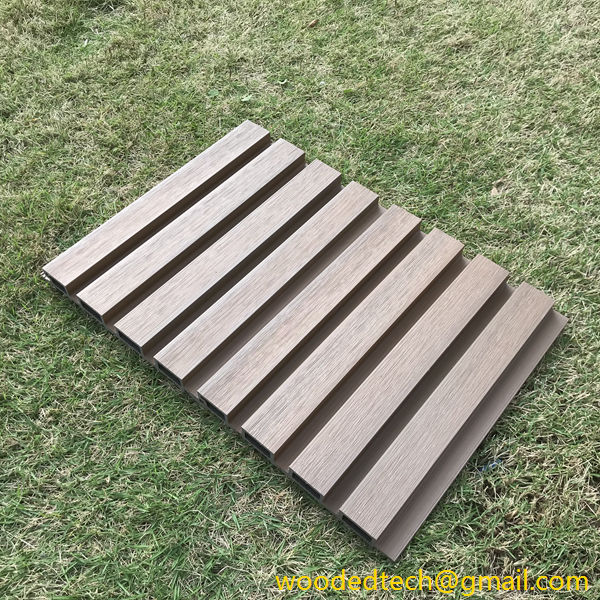
WPC decking is a modern material made from a mixture of wood fibers and recycled plastic. This innovative combination results in a product that closely resembles traditional wood in appearance but boasts superior durability and resistance to the elements. Unlike natural wood, WPC does not warp, splinter, or require regular staining and sealing, making it a practical choice for outdoor applications. As outdoor living spaces have evolved, the demand for sustainable and low-maintenance materials has surged, positioning WPC decking as a leading option in the market.
One of the key market applications for WPC decking is in residential settings. Homeowners are increasingly looking to transform their backyards, patios, and balconies into inviting spaces where family and friends can gather. WPC decking provides a versatile platform for outdoor furniture, grills, and recreational activities. Its slip-resistant surface ensures safety, particularly in areas exposed to moisture. Moreover, the variety of colors and finishes available allows homeowners to customize their spaces to match existing architecture and landscaping.

In commercial settings, the application of WPC decking is equally significant. Restaurants, hotels, and resorts are recognizing the value of creating aesthetically pleasing outdoor areas that enhance the guest experience. WPC decking can be utilized in poolside lounges, rooftop terraces, and outdoor dining areas. The material’s resistance to fading and staining makes it particularly suitable for high-traffic environments where appearance is critical. By opting for WPC decking, commercial properties can create seamless outdoor spaces that attract customers and provide comfort and style.
Another important aspect of WPC decking is its environmental impact. As sustainability becomes a priority for consumers, the market for eco-friendly building materials continues to grow. WPC is made from recycled materials, which reduces the need for virgin wood and helps divert plastic waste from landfills. This eco-conscious appeal resonates with a growing demographic of environmentally aware consumers who are willing to invest in sustainable products. By choosing WPC decking, customers not only enhance their outdoor spaces but also contribute to a more sustainable future.

The installation process of WPC decking is another factor that contributes to its market appeal. Unlike traditional wood decking, which often requires specialized skills and tools for installation, WPC decking can be installed relatively easily. Many manufacturers offer interlocking systems that simplify the process, allowing homeowners and contractors to achieve a professional finish without extensive training. This ease of installation can be a significant selling point, as it reduces labor costs and minimizes downtime during renovation projects.
Maintenance is another area where WPC decking shines in market applications. Traditional wood decking requires regular upkeep, including sanding, staining, and sealing, to maintain its appearance and structural integrity. In contrast, WPC decking typically only requires occasional cleaning with soap and water to keep it looking its best. This low-maintenance requirement appeals to busy homeowners and property managers who prefer to spend their time enjoying their outdoor spaces instead of performing upkeep.
The versatility of WPC decking also extends to its application in various climate conditions. Whether in areas with intense sunlight, heavy rainfall, or extreme temperatures, WPC decking remains stable and resilient. This adaptability makes it suitable for use in diverse geographical regions, further expanding its market reach. As outdoor living spaces become more popular across different climates, the demand for durable and weather-resistant materials like WPC is likely to continue growing.
Moreover, with advancements in technology, WPC decking is continually evolving. Manufacturers are investing in research and development to improve the quality and performance of WPC products. This ongoing innovation includes the development of more realistic wood grain patterns, enhanced colorfastness, and improved resistance to scratching and fading. As these advancements are introduced to the market, they further solidify WPC decking as a preferred choice for outdoor applications.
In addition to residential and commercial uses, WPC decking is also finding applications in public spaces such as parks, boardwalks, and community areas. Its slip-resistant properties and resistance to moisture make it an ideal choice for walkways and seating areas in such environments. By incorporating WPC decking into public space design, cities and municipalities can create accessible and visually appealing areas for residents and visitors alike.
As the market for outdoor living products continues to expand, the demand for WPC decking is expected to rise. With its combination of aesthetic appeal, durability, sustainability, and low maintenance, WPC decking presents a compelling option for those looking to enhance their outdoor spaces. Homeowners, contractors, and commercial property owners alike can benefit from the many advantages that WPC decking offers, making it a key player in the future of outdoor design and construction. The seamless integration of indoor and outdoor living spaces is a trend that is likely to continue, with WPC decking at the forefront of this transformation.