 English
  Español
  Français
  Português
  Deutsch
  Italiano
  Русский
  العربية
  简体中文
简体中文  香港中文
香港中文  한국어
한국어  日本語
日本語  Türkçe
  Nederlands
  Bahasa Indonesia
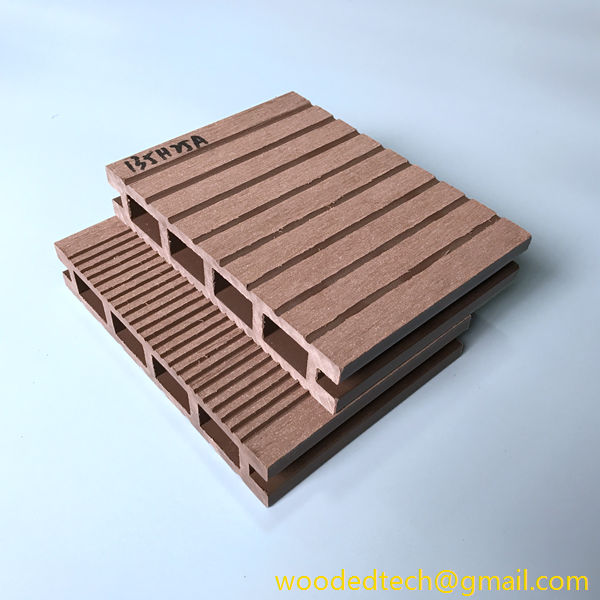
 Sumuchang WPC Cladding has emerged as a popular choice for budget-friendly outdoor options, particularly in the construction and renovation of exteriors. This composite material, made from a blend of wood fibers and plastic, offers an appealing combination of aesthetic qualities and practical advantages. Understanding the production process of WPC, or wood-plastic composite, can provide insight into its affordability and suitability for various applications.
The production of WPC cladding begins with the careful selection of raw materials. Wood fibers, which can come from various sources such as recycled wood, sawdust, or wood shavings, are combined with thermoplastics, typically polyethylene or polypropylene. This combination is crucial for achieving the desired characteristics of the final product. The wood fibers contribute to the natural appearance and texture, while the plastics enhance durability and resistance to moisture, pests, and weathering.
Once the raw materials are sourced, they undergo a thorough processing phase. The wood fibers are dried to remove excess moisture, ensuring that the composite material achieves optimal bonding during manufacturing. This step is essential, as moisture content can affect the overall strength and performance of the WPC. After drying, the wood fibers are mixed with the chosen plastic in a controlled environment, often utilizing advanced machinery that ensures an even distribution of materials.
The next step involves compounding, where the mixture is subjected to heat and pressure. This process melts the plastic and allows it to encapsulate the wood fibers, forming a homogenous blend. The compounding phase is critical as it influences the durability and flexibility of the final product. The temperature and pressure must be meticulously controlled to achieve the right consistency and avoid damage to the wood fibers.

Following compounding, the WPC mixture is extruded into planks or boards. The extrusion process involves pushing the molten material through a die, which shapes it into the desired profile for cladding. The extruded boards can be produced in various sizes and thicknesses, catering to different design preferences and installation requirements. Additionally, during this phase, color additives and UV inhibitors can be incorporated, enhancing the visual appeal and protecting the material from sun damage.
Cooling is the next stage in the production line. The extruded boards pass through a cooling system where they are rapidly cooled to set their shape. This step is essential to ensure dimensional stability, preventing warping or bending as the material cools. Once cooled, the boards are cut to length and inspected for quality control. Each board undergoes rigorous testing to ensure it meets industry standards for strength, durability, and aesthetic qualities.
The affordability of Sumuchang WPC cladding can be attributed to several factors in its production process. First, the use of recycled materials not only reduces costs but also promotes sustainability, appealing to environmentally conscious consumers. The efficiency of the manufacturing process, from compounding to extrusion, allows for high-volume production, which helps to lower the overall price. Moreover, the durability of WPC reduces long-term maintenance costs, making it a cost-effective choice for homeowners and builders alike.

WPC cladding is versatile and can be used in various applications beyond just exterior walls. It is suitable for fences, decks, and even outdoor furniture. The material’s resistance to moisture and insects makes it an ideal choice for regions with harsh weather conditions. Additionally, its low maintenance requirements mean that it does not need to be painted or sealed like traditional wood, providing further cost savings over time.
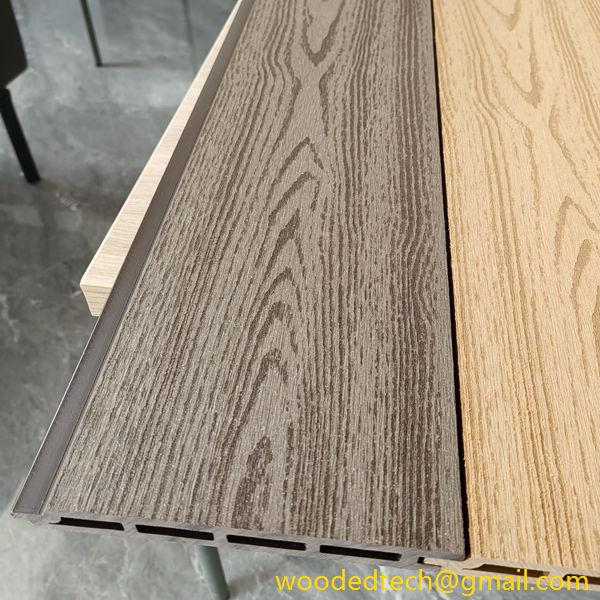
The aesthetic appeal of Sumuchang WPC cladding is another significant advantage. Available in a range of colors and finishes, it can mimic the look of natural wood while providing enhanced performance. This allows homeowners and designers to achieve their desired look without compromising on durability or budget.
As consumers continue to seek affordable and sustainable building materials, the popularity of WPC cladding is likely to grow. The combination of ease of installation, low maintenance needs, and a variety of design options positions Sumuchang WPC cladding as an ideal choice for those looking to enhance their outdoor spaces without breaking the bank. Its thoughtful production process not only makes it a budget-friendly option but also ensures that it meets the demands of modern construction and design trends.