 English
  Español
  Français
  Português
  Deutsch
  Italiano
  Русский
  العربية
  简体中文
简体中文  香港中文
香港中文  한국어
한국어  日本語
日本語  Türkçe
  Nederlands
  Bahasa Indonesia
 is a composite deck worth the money for outdoor enjoyment
When considering the value of a composite deck for outdoor enjoyment, one must examine the material production process and its implications for performance, durability, and overall investment. Composite decking has gained popularity due to its aesthetic appeal and functional advantages over traditional wood decking. Understanding the manufacturing process helps clarify why many homeowners find composite de cking to be a worthwhile investment.
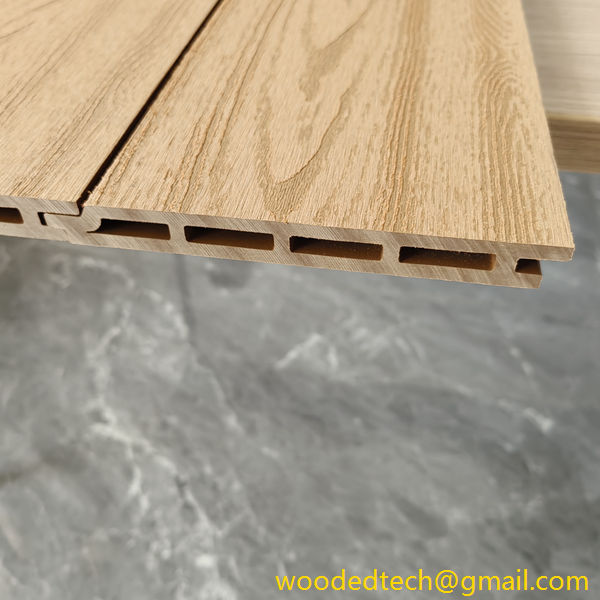
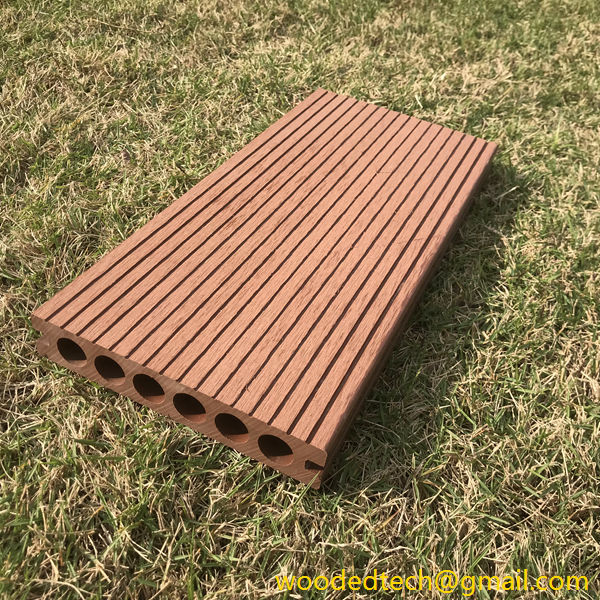
Composite decking is primarily made from a blend of wood fibers and plastic. The wood fibers are typically sourced from recycled materials, such as sawdust and wood shavings. This not only reduces waste but also contributes to the sustainable nature of composite materials. The plastic component often consists of high-density polyethylene, which is also frequently recycled. This combination of materials allows for a product that mimics the appearance of natural wood while providing enhanced durability and resistance to various environmental factors.
During the production process, wood fibers and plastic are combined in a controlled environment to ensure consistency in the final product. The mixture is then heated and extruded to form long boards. This manufacturing technique allows for the creation of boards that are not only uniform in size and shape but also possess the structural integrity needed to withstand heavy loads and adverse weather conditions. The extrusion process is essential in ensuring that the composite boards are resistant to warping, splitting, and cracking, which are common issues associated with traditional wood decking.
One of the most significant advantages of composite decking is its low maintenance requirements. Unlike natural wood, which often requires regular staining, sealing, and sanding to maintain its appearance and structural integrity, composite decking typically only requires occasional cleaning with soap and water. This ease of maintenance translates to long-term cost savings for homeowners as they spend less time and money on upkeep.

Moreover, the durability of composite decking is a result of its resistance to elements such as moisture, insects, and UV rays. The plastic component of the composite material acts as a protective barrier, preventing water absorption and reducing the likelihood of mold and mildew growth. This resistance also extends to pests, as composite materials are not susceptible to termites or other insects that commonly damage wood. Homeowners can enjoy their outdoor spaces without the constant worry of repair or replacement due to decay or insect damage.
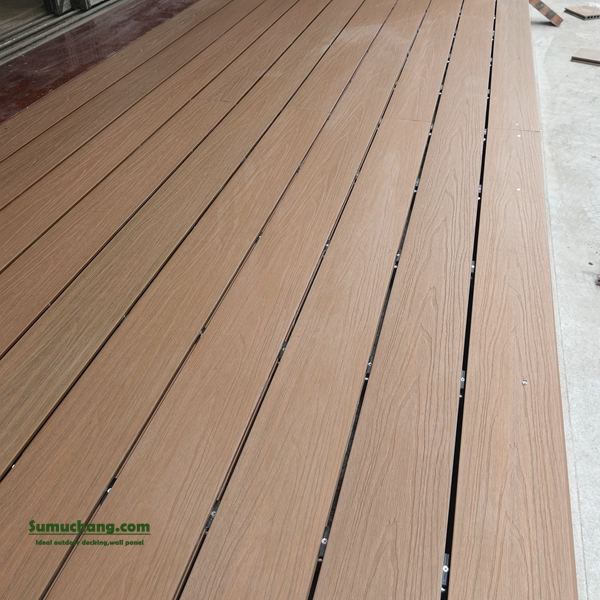
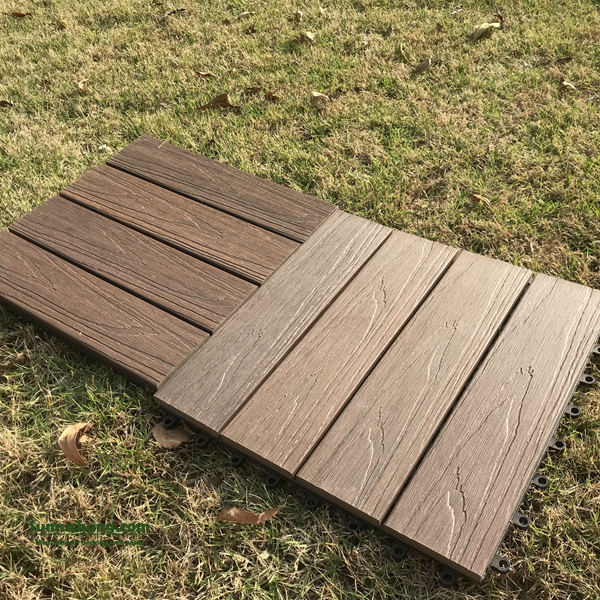
Aesthetically, composite decking has come a long way since its inception. Manufacturers now offer a wide range of colors, textures, and finishes that closely resemble natural wood grain. This variety allows homeowners to choose a style that complements their outdoor spaces, enhancing the overall appeal of their homes. Some composite products even feature advanced technologies that provide added slip resistance, making them safer for use around pools or in wet conditions.
In terms of environmental impact, choosing composite decking can also be seen as a responsible decision. The use of recycled materials in its production process means that homeowners are contributing to waste reduction. Additionally, the longevity of composite decking means that fewer materials will need to be produced and disposed of over time compared to traditional wood decking, which often requires replacement every few years.
While the initial cost of composite decking may be higher than that of traditional wood, the long-term benefits often outweigh this upfront investment. Homeowners can expect to enjoy their decks for several decades without the need for extensive repairs or replacements. This longevity, combined with minimal maintenance and the environmental advantages, makes composite decking an appealing option for those looking to enhance their outdoor enjoyment.
Furthermore, many manufacturers offer warranties on their composite products, providing additional peace of mind for consumers. These warranties often cover issues such as fading, staining, and structural integrity, adding to the overall value proposition of composite decking.
Choosing composite decking ultimately comes down to personal preference and priorities. For those who value low maintenance, durability, and aesthetic flexibility, investing in composite decking is a decision that can lead to years of outdoor enjoyment without the stress associated with traditional wood decking. As outdoor living spaces continue to gain importance in home design, the benefits offered by composite decking make it a compelling choice for enhancing both the functionality and beauty of these areas.