 English
  Español
  Français
  Português
  Deutsch
  Italiano
  Русский
  العربية
  简体中文
简体中文  香港中文
香港中文  한국어
한국어  日本語
日本語  Türkçe
  Nederlands
  Bahasa Indonesia
 is composite cladding any good for stylish facades
Composite cladding has emerged as a popular choice for stylish facades, thanks to its aesthetic appeal and practical benefits. When considering the installation and maintenance aspects of composite cladding, it is important to recognize how these features contribute to its effectiveness as a facade material.
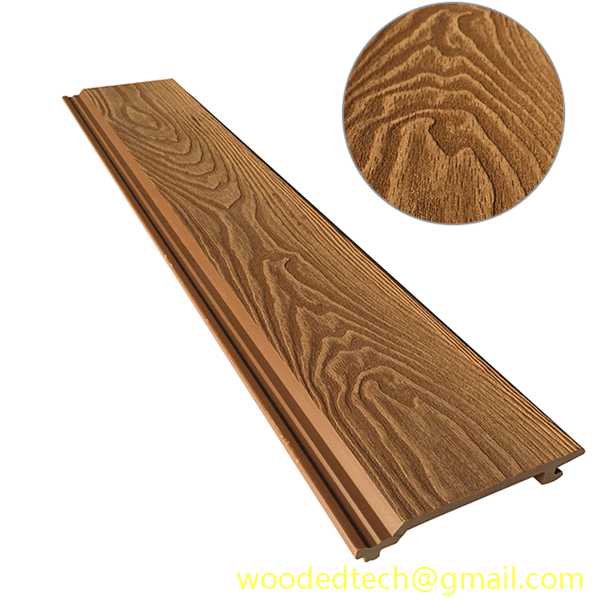
One of the primary advantages of composite cladding is its versatility in design. Available in a variety of colors, textures, and finishes, composite materials can mimic the appearance of natural wood, stone, or even metal. This flexibility allows architects and designers to create unique and visually appealing facades that can enhance the architectural style of buildings. The installation process of composite cladding is relatively straightforward, which further contributes to its popularity among builders and contractors. Many composite cladding systems are designed with interlocking mechanisms or tongue-and-groove profiles, making them easier to install compared to traditional materials. This ease of installation can significantly reduce labor costs and project timelines, which are critical factors in construction projects.

From a maintenance perspective, composite cladding offers several benefits that make it an attractive option for building owners. Unlike wood, which may require regular painting or staining, composite materials are designed to withstand the effects of weathering and do not warp, crack, or splinter easily. This durability means that once installed, composite cladding can maintain its appearance and structural integrity for many years without the need for extensive upkeep. Additionally, many composite cladding products are resistant to mold, mildew, and pests, which are common concerns with traditional materials.
Cleaning composite cladding is also a relatively simple process. Regular maintenance typically involves washing the surface with soap and water to remove dirt and debris. This low-maintenance requirement is particularly appealing for commercial buildings or residential properties where owners wish to minimize the time and resources spent on upkeep. The long-lasting nature of composite materials means that they can maintain their aesthetic appeal without frequent intervention, making them a practical choice for stylish facades.

When considering the environmental impact of building materials, composite cladding also stands out. Many manufacturers produce composite materials using recycled content, which can contribute to sustainability goals in construction. Additionally, the longevity of composite cladding reduces the need for replacement materials, further decreasing environmental waste over time. This aspect of composite cladding aligns with the growing trend of environmentally conscious building practices.
However, it is essential to consider the initial cost associated with composite cladding. While it may be more expensive upfront than some traditional materials, the long-term savings in maintenance and replacement costs often justify the investment. Moreover, the aesthetic value and design flexibility of composite cladding can enhance property value, making it a sound financial decision in the long run.
Furthermore, the choice of composite cladding can influence the overall energy efficiency of a building. Some composite systems are designed with thermal insulation properties, which can help regulate indoor temperatures and reduce energy consumption. This benefit not only contributes to lower utility bills but also supports a more sustainable approach to building design.
Proper installation is crucial to maximizing the benefits of composite cladding. It is advisable to engage experienced professionals who understand the specific requirements of the chosen cladding system. Inadequate installation can lead to issues such as moisture intrusion, which may compromise the integrity of the facade and lead to costly repairs. Ensuring that the installation meets manufacturer guidelines and building codes is essential to achieving the desired performance and longevity of the composite cladding.
In terms of design trends, composite cladding continues to evolve. The introduction of new colors and finishes allows for greater creativity in facade design. As architects explore innovative solutions, the use of composite materials is likely to expand, providing even more options for stylish building exteriors.
Choosing composite cladding for stylish facades offers numerous advantages in installation and maintenance. Its aesthetic versatility, ease of installation, low maintenance requirements, and environmental benefits make it a compelling option for both residential and commercial applications. As the building industry continues to prioritize sustainability and design innovation, composite cladding is well-positioned to remain a favored choice for creating visually stunning and durable facades.