 English
  Español
  Français
  Português
  Deutsch
  Italiano
  Русский
  العربية
  简体中文
简体中文  香港中文
香港中文  한국어
한국어  日本語
日本語  Türkçe
  Nederlands
  Bahasa Indonesia
 is composite decking worth it for long term investment
Composite decking has gained significant popularity among homeowners and builders alike due to its unique properties and advantages. When considering a long-term investment, it is crucial to examine the material production processes that contribute to the performance, durability, and overall value of composite decking. This analysis will help determine whether composite decking is a wise choice for those looking to enhance their outdoor living spaces.
The production of composite decking typically involves a blend of wood fibers and plastic resins, which results in a material that combines the aesthetic appeal of natural wood with the durability of synthetic materials. The wood fibers used in the manufacturing process are often sourced from recycled wood products, making composite decking an environmentally friendly option. This sustainable approach not only reduces waste but also minimizes the demand for virgin materials, thereby lessening the environmental impact associated with conventional decking materials.

The process of creating composite decking begins with the careful selection of raw materials. Manufacturers utilize a combination of recycled wood fibers and high-density polyethylene or polypropylene plastics. The wood fibers contribute to the natural look and feel of the decking, while the plastic resins provide essential durability and resistance to moisture, rot, and insect damage. This combination results in a product that can withstand the test of time, making it an appealing option for long-term investment.
Once the raw materials are selected, they undergo a series of processes that include grinding, mixing, and heating. The wood fibers are ground into fine particles, which are then combined with the plastic resin in a precise ratio. This mixture is heated to a specific temperature, allowing the plastic to melt and thoroughly coat the wood fibers. This step is crucial, as it ensures that the final product has the desired strength and performance characteristics. After mixing, the hot composite material is extruded into various shapes and sizes, allowing for customization to meet different design preferences.
One of the standout features of composite decking is its resistance to the elements. Traditional wood decking requires regular maintenance, including staining, sealing, and painting, to preserve its appearance and structural integrity. In contrast, composite decking is designed to resist fading, staining, and mold growth, significantly reducing the need for ongoing maintenance. This durability translates into long-term savings for homeowners, as they can spend less time and money on upkeep and repairs.
Moreover, composite decking is often backed by extensive warranties from manufacturers, which can range from twenty to thirty years. This assurance of quality and longevity further solidifies its value as a long-term investment. Homeowners can feel confident that their composite decking will maintain its appearance and performance over the years, even in harsh weather conditions.

Another critical aspect to consider is the safety features of composite decking. Many composite products are designed to be slip-resistant, making them a safer option for families, particularly in wet conditions. Additionally, composite decking does not splinter, which is a common issue with traditional wood decking. This feature is particularly beneficial for households with children and pets, as it helps to prevent accidents and injuries.
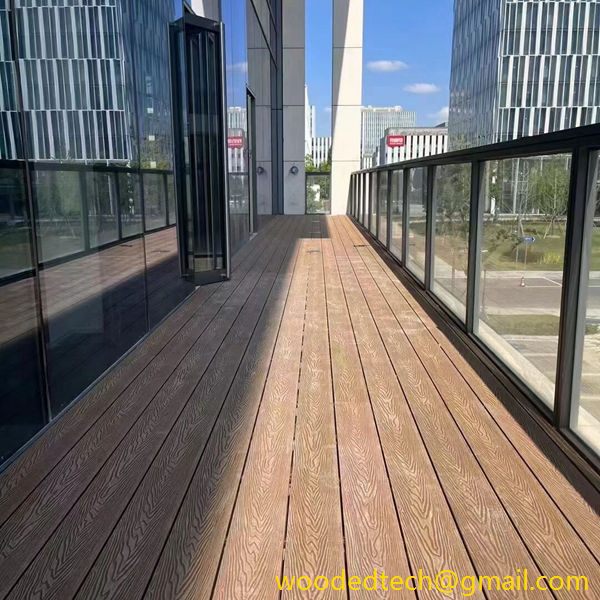
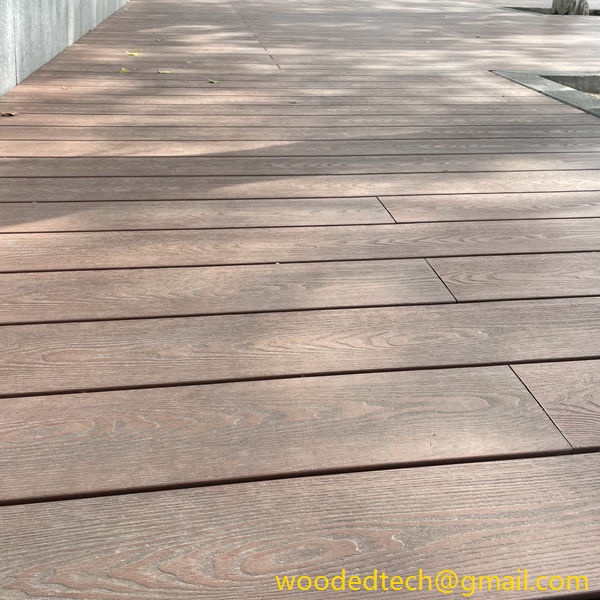
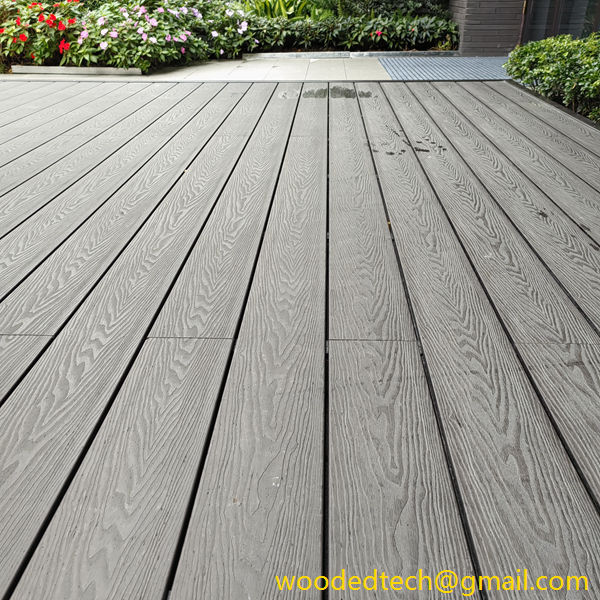
When evaluating the value of composite decking as a long-term investment, it is also essential to consider its aesthetic appeal. Composite decking is available in a wide range of colors, textures, and finishes, allowing homeowners to create a customized look that complements their outdoor space. Unlike traditional wood, which can fade or change color over time, composite decking is designed to retain its color and appearance with minimal maintenance. This enduring beauty adds to the overall value of the investment, as it enhances the curb appeal of the property.
In addition to its practical benefits, the use of composite decking can also contribute to the overall enjoyment of outdoor spaces. Homeowners can create inviting areas for gatherings, relaxation, and recreation without the worry of constant upkeep. The ability to enjoy a beautiful deck without the burden of regular maintenance allows for a more enjoyable outdoor experience.
Ultimately, the decision to invest in composite decking should be based on a comprehensive understanding of its material production processes, durability, aesthetic appeal, and long-term value. With its environmentally friendly production methods, low maintenance requirements, and lasting beauty, composite decking stands out as a worthwhile investment for homeowners looking to enhance their outdoor spaces. The blend of wood and plastic results in a product that marries the best of both worlds, providing a functional and attractive solution that can withstand the test of time. By choosing composite decking, homeowners are not only making a practical choice but also investing in a product that will serve them well for many years to come.