 English
  Español
  Français
  Português
  Deutsch
  Italiano
  Русский
  العربية
  简体中文
简体中文  香港中文
香港中文  한국어
한국어  日本語
日本語  Türkçe
  Nederlands
  Bahasa Indonesia
 is plastic decking better than wood for low maintenance
When it comes to selecting materials for outdoor decking, homeowners often find themselves at a crossroads between traditional wood and modern plastic alternatives. The decision can significantly impact not only the aesthetics of a space but also its maintenance requirements, longevity, and overall cost. Plastic decking has gained significant popularity in recent years, primarily due to its low maintenance properties when compared to wood. This exploration of plastic decking versus wood delves into the benefits and drawbacks of each material, providing insights for homeowners considering their options.
One of the most compelling advantages of plastic decking is its low maintenance requirements. Unlike wood, which requires regular sealing, staining, or painting to protect it from the elements, plastic decking is designed to withstand environmental challenges without extensive upkeep. This means that homeowners do not need to invest their weekends in labor-intensive maintenance tasks. Instead, a simple wash with soap and water is often all that is necessary to keep plastic decking looking its best. This factor is particularly appealing for busy families or individuals who wish to enjoy their outdoor space without the burden of constant upkeep.
In addition to reduced maintenance, plastic decking is highly resistant to various forms of damage. Traditional wood is susceptible to rot, mold, and insect infestations, which can compromise its structural integrity over time. On the other hand, plastic materials are engineered to resist these issues. They are impervious to moisture and do not warp or splinter like wood. This durability translates to a longer lifespan for plastic decking, which can often last for decades without significant wear. For homeowners seeking a long-term investment, this durability can ultimately lead to cost savings over time, as the need for replacement or repairs is minimized.

Another important consideration is the environmental impact of the materials used. While traditional wood decking may seem like a natural choice, it often involves harvesting trees, which can contribute to deforestation and habitat loss. In contrast, many plastic decking products are made from recycled materials, such as post-consumer plastics, which helps reduce waste and environmental harm. Choosing plastic decking can align with a homeowner’s desire to make sustainable choices while also enjoying the benefits of a low-maintenance product.
However, it is crucial to address the aesthetic aspect of decking materials. Wood has a timeless beauty that appeals to many people. The natural grains and colors of wood can create a warm and inviting atmosphere that is difficult to replicate with plastic. Homeowners may find that they prefer the look and feel of traditional wood, particularly in settings where a rustic or natural appearance is desired. The choice between the two materials may come down to personal preference and the specific style of a home.
Cost is another factor that plays a significant role in the decision-making process. While plastic decking can be more expensive upfront compared to some wood options, the long-term savings associated with low maintenance and durability can outweigh the initial investment. Wood may seem more affordable at first glance, but the costs associated with maintenance, repairs, and eventual replacement can accumulate over time. When considering the total cost of ownership, plastic decking often presents a more economical solution in the long run.
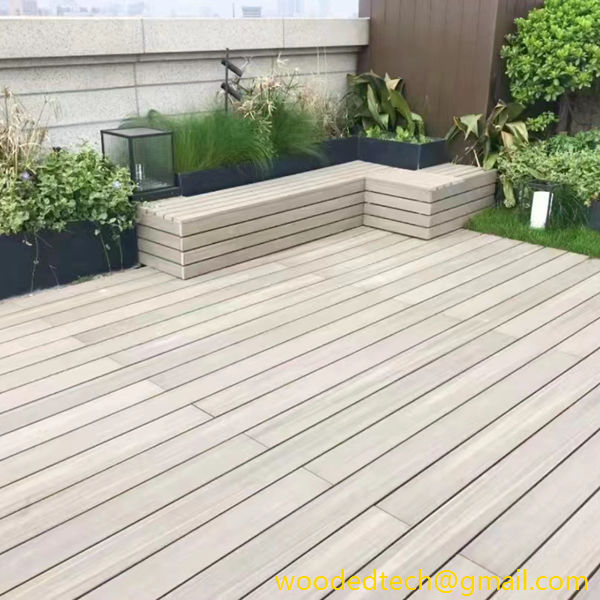
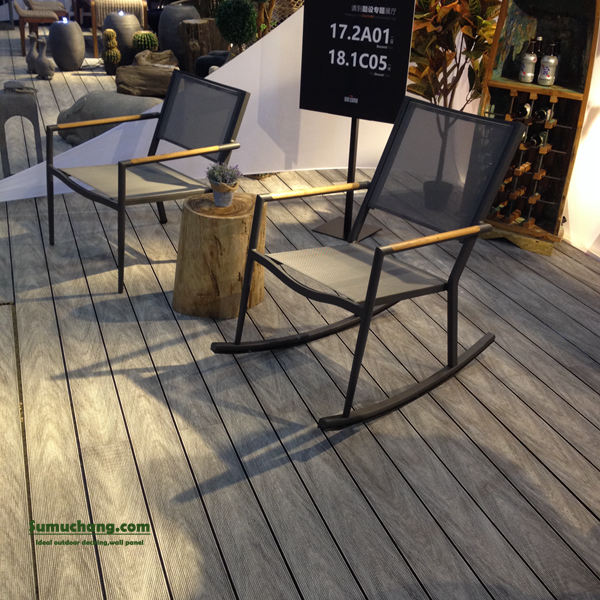
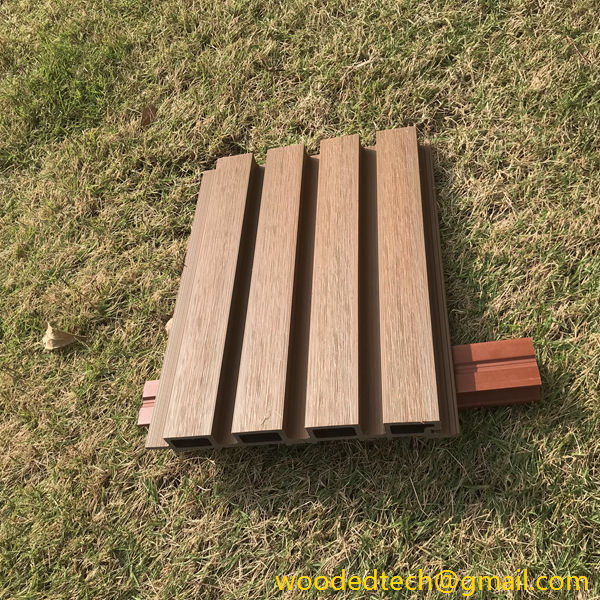
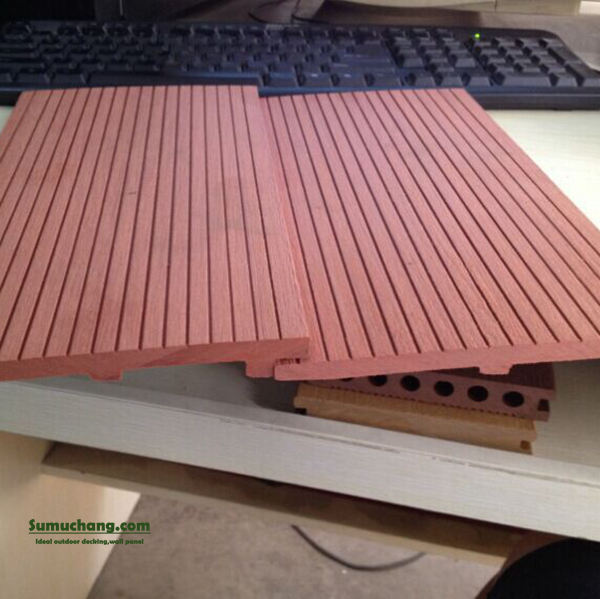
Another point of consideration is the variety of options available in plastic decking. Manufacturers offer an array of colors, textures, and styles that can mimic the appearance of wood while providing the advantages of plastic. This versatility allows homeowners to choose designs that complement their outdoor living spaces without sacrificing performance. The ability to customize the look of a deck with plastic materials can be a significant advantage, particularly for those who want a specific aesthetic without the maintenance challenges of wood.

Despite the numerous advantages of plastic decking, it is essential to acknowledge some potential drawbacks. One of the concerns often raised is the heat retention of plastic materials. On hot summer days, plastic decking can become uncomfortably warm underfoot, making it less desirable for barefoot walking. Homeowners in warmer climates may need to consider this factor when making their choice. Moreover, while plastic decking is resistant to many forms of damage, it is not entirely immune to scratching or fading over time. Homeowners should be aware of these limitations and choose high-quality products from reputable manufacturers to mitigate these issues.
In making a decision between plastic decking and wood, homeowners must weigh their priorities. Those who value low maintenance, durability, and environmental sustainability may find that plastic decking aligns well with their needs. Conversely, individuals who prioritize aesthetics and the traditional appeal of wood might lean toward natural materials.
Ultimately, the choice between plastic decking and wood will depend on the specific circumstances and preferences of each homeowner. Understanding the advantages and disadvantages of both materials can help facilitate an informed decision that enhances outdoor spaces while minimizing long-term maintenance and costs. The increasing popularity of plastic decking reflects a growing trend toward low-maintenance solutions in outdoor living, catering to the needs of modern homeowners who seek to enjoy their spaces without the constant demands of upkeep. By carefully considering all aspects of each material, individuals can create an outdoor environment that is both functional and aesthetically pleasing.