 English
  Español
  Français
  Português
  Deutsch
  Italiano
  Русский
  العربية
  简体中文
简体中文  香港中文
香港中文  한국어
한국어  日本語
日本語  Türkçe
  Nederlands
  Bahasa Indonesia
 is plastic wood good for eco friendly building materials
Plastic wood, also known as composite lumber, has emerged as a popular alternative to traditional building materials in the context of eco-friendly construction. This innovative product is primarily made from recycled plastic and wood fibers, making it an appealing option for those looking to minimize their environmental impact. When considering the use of plastic wood for eco-friendly building materials, it is essential to examine its installation and maintenance aspects.
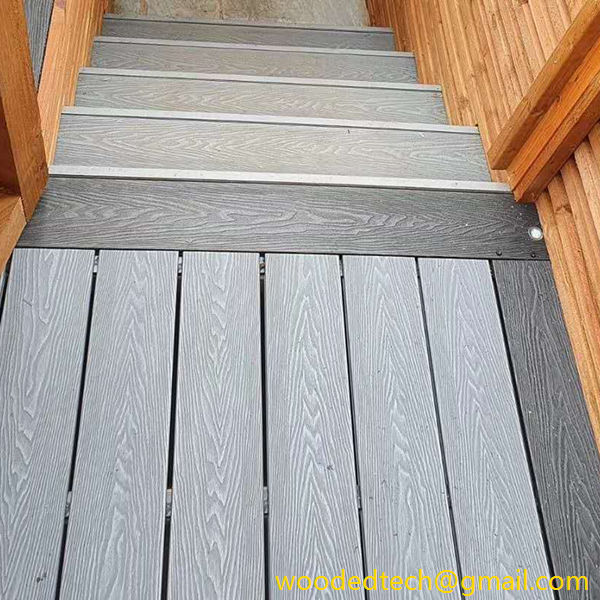
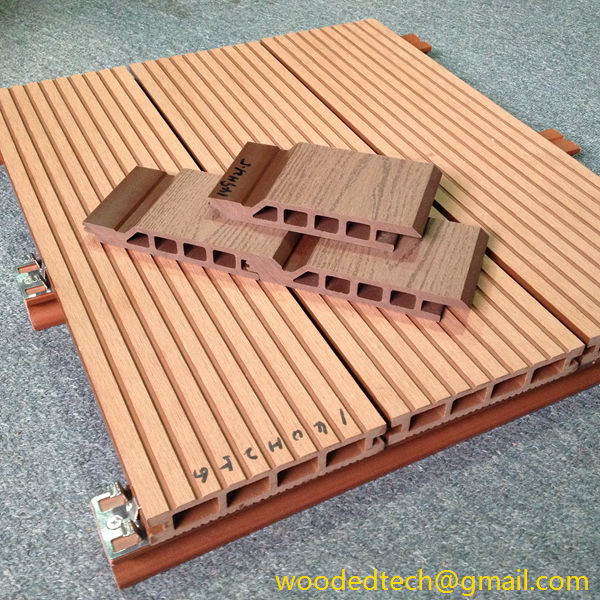
One of the primary advantages of plastic wood is its ease of installation. Unlike traditional timber, plastic wood is often designed to be lightweight and easier to handle, which can significantly reduce labor costs and time on construction sites. Most plastic wood products come in pre-cut lengths and require fewer tools for assembly. This can lead to a reduction in on-site waste, as the precision of manufacturing allows for fewer miscuts and reworks. Additionally, many plastic wood materials are designed to interlock or snap together, eliminating the need for nails or screws in some applications. This feature not only simplifies the installation process but also enhances the aesthetic appeal, as there are no visible fasteners.

From a maintenance perspective, plastic wood stands out as a low-maintenance option compared to traditional wood. Natural wood is susceptible to rot, insects, and weathering, which can necessitate regular treatments, staining, or painting to maintain its appearance and structural integrity. In contrast, plastic wood is resistant to moisture, pests, and UV damage, which means it does not require the same level of upkeep. Homeowners and builders can save time and money on maintenance tasks, making it an attractive option for sustainable building projects.
Moreover, the durability of plastic wood contributes to its appeal as an eco-friendly building material. Since it is engineered to withstand harsh environmental conditions, plastic wood can have a longer lifespan than conventional wood. This longevity means that fewer materials are needed over time, reducing the demand for new resources and minimizing waste in landfills. By choosing plastic wood, builders can promote sustainable practices by utilizing a material that contributes to a circular economy.
Another critical aspect to consider is the environmental impact of producing plastic wood. It is primarily made from recycled materials, which helps divert plastic waste from landfills and reduces the reliance on virgin materials. This process not only conserves natural resources but also decreases greenhouse gas emissions associated with manufacturing. However, it is essential to ensure that the production of plastic wood adheres to stringent environmental standards to maximize its eco-friendly potential.

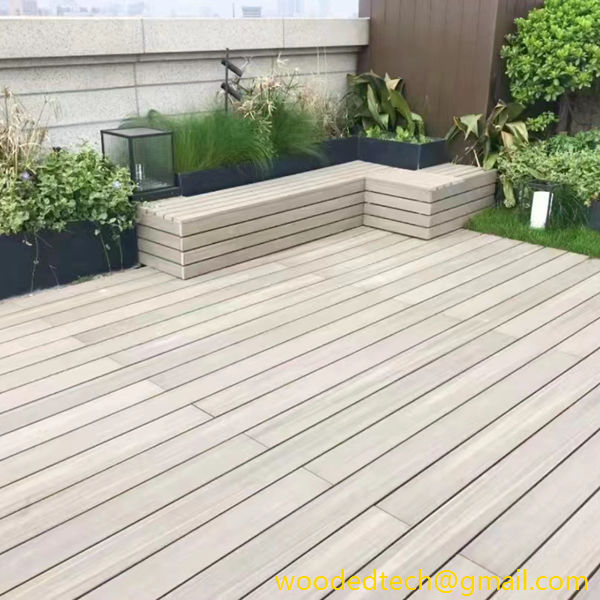
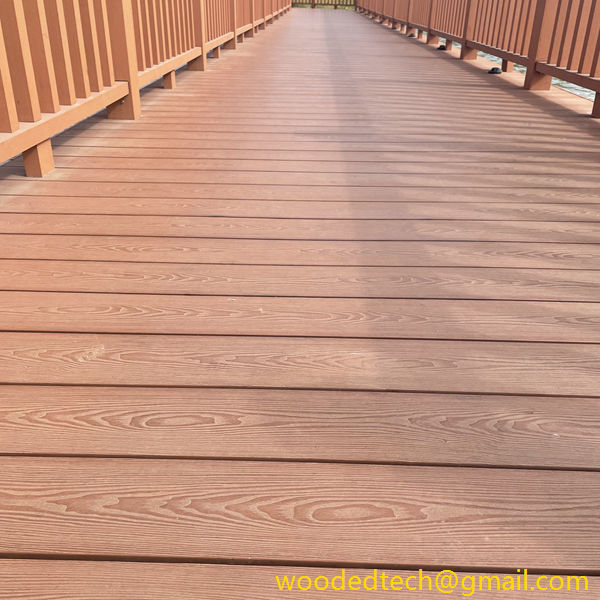
In terms of aesthetics, plastic wood has come a long way in mimicking the appearance of natural wood. Many manufacturers offer a variety of colors and textures, allowing builders and homeowners to choose a product that suits their design preferences. This versatility can help integrate plastic wood into various architectural styles, making it a suitable choice for diverse projects, from residential homes to commercial buildings.
While plastic wood presents numerous benefits, it is essential to consider its limitations as well. The initial cost of plastic wood can be higher than that of traditional wood, which may deter some builders and homeowners. However, when factoring in the long-term savings associated with reduced maintenance and replacement costs, plastic wood can prove to be a cost-effective solution over time.
In addition, builders must be aware of the potential challenges when working with plastic wood. Although it is generally easier to install than traditional wood, certain products may require specialized tools or techniques to ensure proper installation and performance. It is crucial to follow the manufacturer’s guidelines and recommendations to achieve the best results. Proper planning and preparation can help mitigate any installation challenges, ensuring a successful project.
Lastly, as the demand for eco-friendly building materials continues to grow, the market for plastic wood is likely to expand. This growth can lead to increased innovation and improvements in the quality and variety of products available. As more builders and homeowners adopt sustainable practices, plastic wood can play a significant role in shaping the future of eco-friendly construction.
Choosing plastic wood for eco-friendly building projects offers numerous advantages in terms of installation and maintenance. Its ease of use, low maintenance requirements, durability, and aesthetic appeal make it a compelling alternative to traditional wood. By prioritizing sustainable materials like plastic wood, builders and homeowners can contribute to a greener future while enjoying the practical benefits that come with this innovative product.