 English
  Español
  Français
  Português
  Deutsch
  Italiano
  Русский
  العربية
  简体中文
简体中文  香港中文
香港中文  한국어
한국어  日本語
日本語  Türkçe
  Nederlands
  Bahasa Indonesia
 is plastic wood stainable for customizable finishes
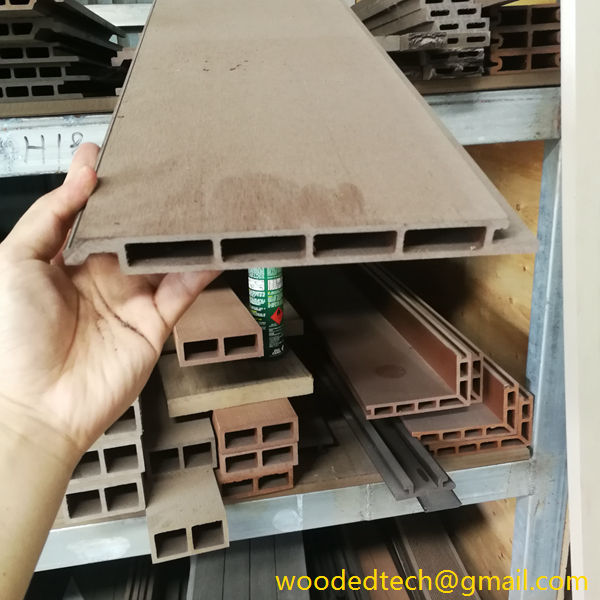
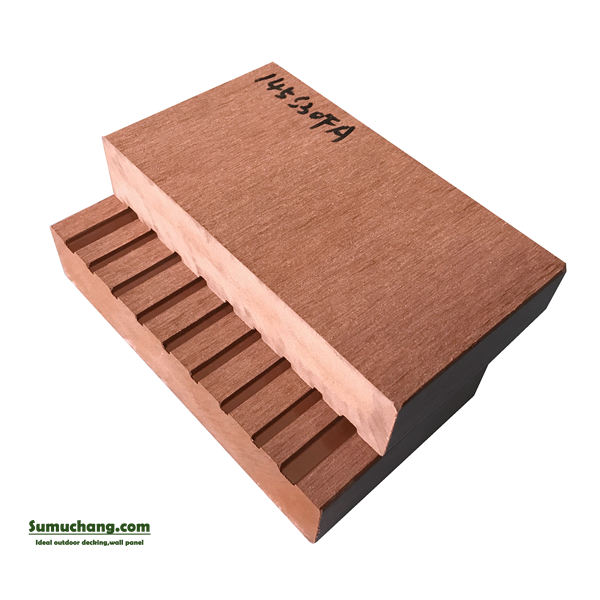
Plastic wood, often referred to as composite wood or synthetic wood, has gained popularity due to its resistance to environmental factors and its durability. However, when it comes to customization through staining, the material exhibits unique characteristics that are worth exploring.
Plastic wood is primarily made from recycled plastics and wood fibers, which are combined to create a product that mimics the appearance of natural wood. This composite nature provides certain advantages, such as resistance to moisture, decay, and insects. These properties make it an appealing choice for outdoor applications, where traditional wood might deteriorate over time. However, these same attributes also influence how plastic wood interacts with stains and finishes.

One of the primary considerations when attempting to stain plastic wood is its non-porous surface. Traditional wood materials have a porous structure that allows stains to penetrate and bond with the fibers. This penetration is crucial for achieving a rich and even color. In contrast, plastic wood’s smooth surface can hinder the absorption of stain, resulting in uneven application and reduced effectiveness. The lack of pores means that stains may sit on the surface rather than being absorbed, leading to a finish that can look unnatural or artificial.
There are, however, specific types of stains formulated for use on plastic wood. These products are typically designed to adhere to the non-porous surfaces of synthetic materials. They often contain chemical agents that allow them to bond effectively to plastic, providing a variety of color options and finishes that can mimic the look of stained wood. When selecting a stain for plastic wood, it is essential to choose products explicitly labeled for use with composite materials to ensure compatibility and longevity.
Preparation plays a crucial role in achieving a successful finish when staining plastic wood. The surface should be thoroughly cleaned to remove any dirt, grease, or debris that could interfere with adhesion. Light sanding of the surface can also improve the bond between the stain and the plastic wood, creating a better finish. While sanding may not be necessary for all types of stains, it can enhance the overall appearance and durability of the final product.
Another factor to consider is the color retention of stains applied to plastic wood. Due to the synthetic nature of the material, some stains may fade more quickly than they would on natural wood. This fading can be attributed to factors such as UV exposure, moisture, and the inherent properties of the stain itself. To combat this issue, it is advisable to select high-quality stains that offer UV protection and are specifically designed for exterior applications. Additionally, applying a clear topcoat after staining can provide an added layer of protection against the elements, helping to preserve the color for a more extended period.

The flexibility of finishes available for plastic wood also allows for creative customization. While traditional wood may be limited to specific types of stains and varnishes, plastic wood can be treated with various finishes, including paints, glazes, and even specialty coatings. This versatility enables homeowners and designers to achieve a broad range of aesthetics, from vibrant colors to subtle, natural wood tones. The ability to customize the appearance of plastic wood opens up new possibilities for exterior and interior design, allowing for unique design expressions that were previously challenging with natural wood.
It is also essential to consider the environmental implications of staining plastic wood. Many composite materials are made from recycled content, making them a more sustainable choice than traditional lumber. By using eco-friendly stains and finishes, individuals can maintain the sustainability aspect of plastic wood while achieving the desired aesthetic. This approach not only supports environmental conservation efforts but also aligns with modern design trends that prioritize sustainable practices.
While staining plastic wood presents certain challenges, the advancements in stain formulations and application techniques have made it increasingly feasible to achieve customizable finishes. Proper preparation, the use of suitable products, and an understanding of the material’s properties are critical to achieving satisfactory results. As the demand for versatile and durable building materials continues to rise, plastic wood stands out as an innovative solution that offers both aesthetic and functional benefits. With the right approach, it is indeed possible to transform plastic wood into a visually appealing element that complements any design vision.