 English
  Español
  Français
  Português
  Deutsch
  Italiano
  Русский
  العربية
  简体中文
简体中文  香港中文
香港中文  한국어
한국어  日本語
日本語  Türkçe
  Nederlands
  Bahasa Indonesia
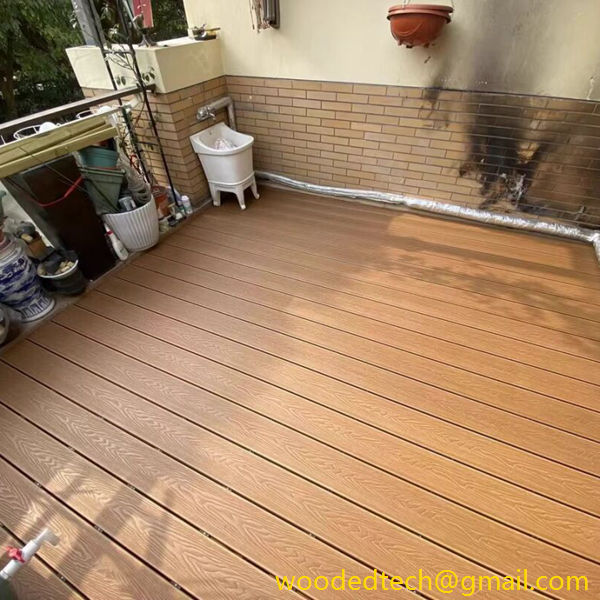
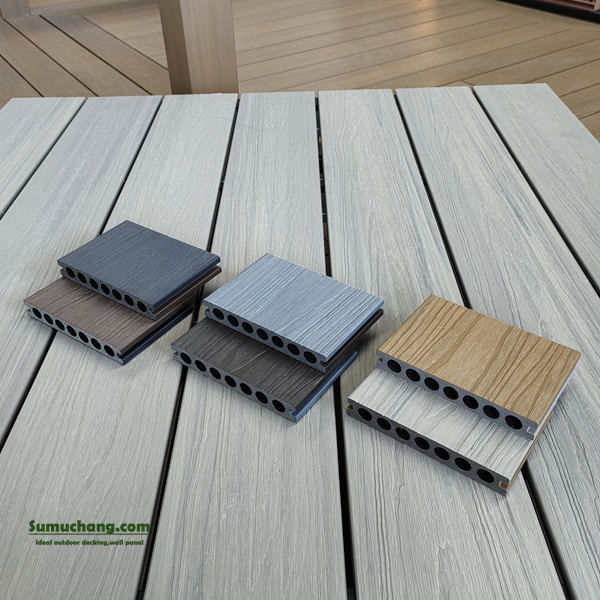
 Laying composite decking on concrete is a popular choice for homeowners looking to enhance their outdoor spaces. Composite decking, made from a mixture of wood fibers and plastic, combines the aesthetic appeal of natural wood with the durability and low maintenance of synthetic materials. Understanding the material properties of composite decking and its interaction with concrete is crucial for achieving a successful installation that lasts for years.
One of the primary advantages of composite decking is its resistance to moisture and decay. Traditional wood decking can warp, crack, and rot when exposed to the elements, especially in areas with high humidity or frequent rain. Composite materials, on the other hand, are engineered to withstand these conditions. The plastic content in composite decking creates a barrier against moisture, preventing the growth of mold and mildew. This property is particularly beneficial when laying decking over concrete, as the concrete surface can retain moisture, potentially leading to issues with traditional wood decking.

Another important characteristic of composite decking is its thermal stability. Composite materials are designed to expand and contract minimally with temperature changes. This is significant when installing decking over concrete, as concrete can heat up considerably in direct sunlight. If the decking expands too much, it can buckle or warp, leading to an uneven surface and potential safety hazards. However, high-quality composite decking will maintain its shape and size, ensuring a smooth and level surface for years to come.
In terms of slip resistance, composite decking often outperforms traditional wood decking, especially when wet. The surface texture of composite boards is typically designed to provide better traction, reducing the risk of slips and falls. This is an essential consideration for outdoor areas that may be exposed to rain or spills. When laying composite decking on concrete, ensuring that the surface is slip-resistant is crucial for safety, making composite materials an ideal choice.
When planning the installation, it is important to consider the weight of the composite decking and the structural integrity of the concrete slab. Composite decking is relatively lightweight compared to traditional wood, making it easier to handle during installation. However, the load-bearing capacity of the concrete must still be evaluated to ensure it can support the decking and any additional weight from furniture or foot traffic. Consulting with a structural engineer may be advisable if there are concerns about the strength of the concrete slab.
Another factor to consider is the thermal conductivity of composite decking. Unlike concrete, which can become uncomfortably hot under direct sunlight, composite materials are designed to stay cooler, making them more comfortable for barefoot use. This property enhances the overall user experience, especially during hot summer months when outdoor spaces are frequently used. Homeowners should keep this in mind when selecting colors, as darker composites may absorb more heat than lighter shades.
The longevity of composite decking is an attractive feature for many homeowners. While traditional wood decking may require staining or sealing every few years, composite materials are designed to remain beautiful without the need for extensive maintenance. This characteristic not only saves time and money but also contributes to the overall sustainability of the material. Many composite decking options are made from recycled materials, making them an environmentally friendly choice.

Installation techniques also play a critical role in the performance of composite decking laid over concrete. Proper spacing and ventilation are essential to prevent moisture buildup underneath the decking, which can lead to mold growth. Using a suitable underlayment or spacer can help maintain airflow, allowing any trapped moisture to evaporate. Additionally, ensuring that the decking is securely fastened will prevent movement and potential damage over time.
When selecting composite decking for installation over concrete, it is important to choose a product that comes with a warranty. Many manufacturers offer warranties that cover fading, staining, and structural integrity, providing peace of mind for homeowners. Reviewing the warranty terms and conditions can help in selecting a high-quality product that meets specific needs and expectations.
Incorporating composite decking over concrete can significantly enhance the aesthetics and functionality of outdoor spaces. The material properties of composite decking, such as moisture resistance, thermal stability, and durability, make it an ideal choice for homeowners looking to invest in long-lasting outdoor solutions. By understanding the characteristics of both composite materials and concrete, homeowners can ensure a successful installation that maximizes the benefits of both surfaces, ultimately creating a beautiful and safe outdoor environment.