 English
  Español
  Français
  Português
  Deutsch
  Italiano
  Русский
  العربية
  简体中文
简体中文  香港中文
香港中文  한국어
한국어  日本語
日本語  Türkçe
  Nederlands
  Bahasa Indonesia
 Learn the Best Techniques for Joining Composite Decking Boards Seamlessly
Joining composite decking boards seamlessly is an essential aspect of creating a visually appealing and structurally sound outdoor space. The techniques used in this process can significantly impact both the aesthetics and durability of the decking. Understanding the materials and production processes involved can help achieve the best results when working with composite boards.
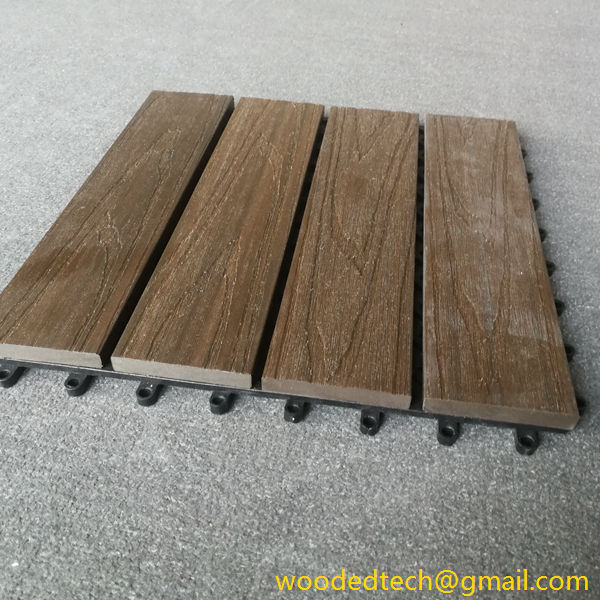
Composite decking is primarily manufactured from a blend of wood fibers and plastic. This combination not only provides the natural look of wood but also enhances durability by resisting moisture, insects, and fading. The manufacturing process typically involves extruding the composite material into long boards, which can then be cut to size for installation. The ability to work with these boards effectively requires knowledge of their properties and the best practices for joining them.
One of the most common methods for joining composite decking boards is through the use of hidden fasteners. These fasteners are designed to secure the boards in place without being visible on the surface. This technique not only creates a clean and modern appearance but also minimizes the risk of tripping hazards. To achieve a seamless look, it is crucial to select fasteners that are compatible with the specific brand of composite decking being used. Each manufacturer may have unique recommendations for fasteners that work best with their products.

When installing composite decking boards, it is vital to ensure proper spacing between the boards. Adequate spacing allows for expansion and contraction, which is a natural characteristic of composite materials due to temperature fluctuations. Failing to provide the necessary gaps can lead to warping or buckling over time. Typically, a gap of around one-eighth inch is recommended between the boards. This spacing can be maintained using spacers during installation, ensuring consistent alignment.
Another effective technique for seamless joining is the use of tongue-and-groove systems. Many composite decking products are designed with interlocking edges that fit together snugly, much like traditional hardwood flooring. This method not only enhances the aesthetic appeal by creating a smooth, continuous surface but also improves the structural integrity of the deck. When using tongue-and-groove boards, it is essential to follow the manufacturer’s guidelines for installation. Proper alignment and securing of the boards are crucial to prevent movement and allow for adequate drainage.
When working with composite decking, the importance of proper cutting techniques cannot be overstated. Using the right tools and methods ensures clean cuts that fit together seamlessly. A circular saw with a fine-toothed blade is often recommended for cutting composite materials. Care should be taken to avoid splintering or chipping, which can detract from the overall appearance of the deck. Additionally, pre-drilling holes before securing the boards can prevent splitting and ensure a tight fit.
For those looking to achieve a more customized look, it is possible to create patterns or designs using composite decking boards. This can involve alternating colors or laying the boards in different orientations. To accomplish this effectively, planning is essential. Sketching out the desired design before starting the installation can help visualize the final product and ensure that all cuts and joins are made accurately.

Maintenance of the decking is another vital aspect of ensuring a seamless appearance over time. While composite materials are generally low maintenance, regular cleaning is necessary to remove dirt and debris that can accumulate between the boards. Utilizing a gentle cleaner and a soft brush can help maintain the surface without damaging the material. Additionally, periodic inspections should be conducted to check for any loose boards or fasteners that may need tightening.
Incorporating lighting into the decking design can also enhance its visual appeal while creating a warm ambiance for evening gatherings. Recessed lights or LED strips can be integrated into the design without disrupting the seamless look of the boards. Careful planning during the initial installation phase is essential to ensure that electrical wiring is properly concealed and does not interfere with the integrity of the decking.
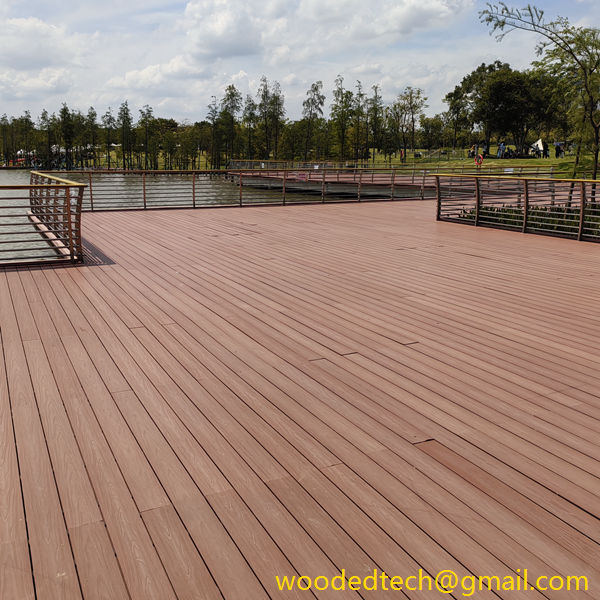
Achieving a seamless join between composite decking boards requires attention to detail and a solid understanding of the materials involved. By employing the right techniques, such as using hidden fasteners, maintaining proper spacing, and utilizing tongue-and-groove systems, homeowners can create a beautiful and durable outdoor space. Furthermore, understanding the importance of proper cutting, maintenance, and design planning will contribute to the longevity and attractiveness of the finished product. With careful consideration and execution, a composite deck can serve as a stunning extension of any home, enhancing outdoor living for years to come.