 English
  Español
  Français
  Português
  Deutsch
  Italiano
  Русский
  العربية
  简体中文
简体中文  香港中文
香港中文  한국어
한국어  日本語
日本語  Türkçe
  Nederlands
  Bahasa Indonesia
 The Role of WPC 3D Design in Outdoor Wall Decoration
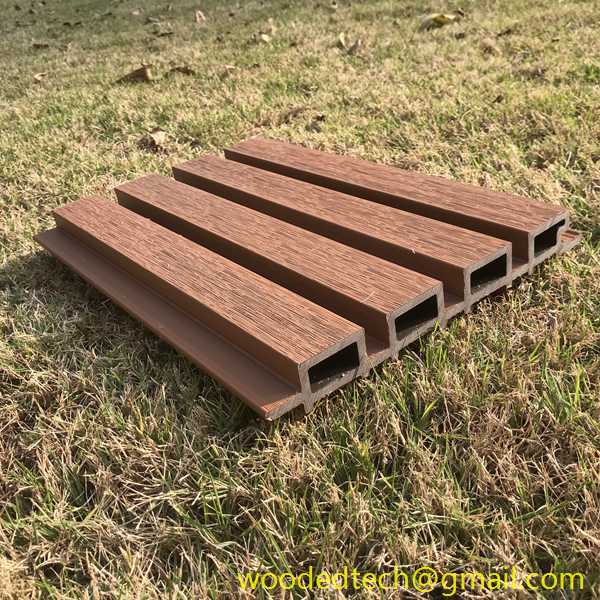
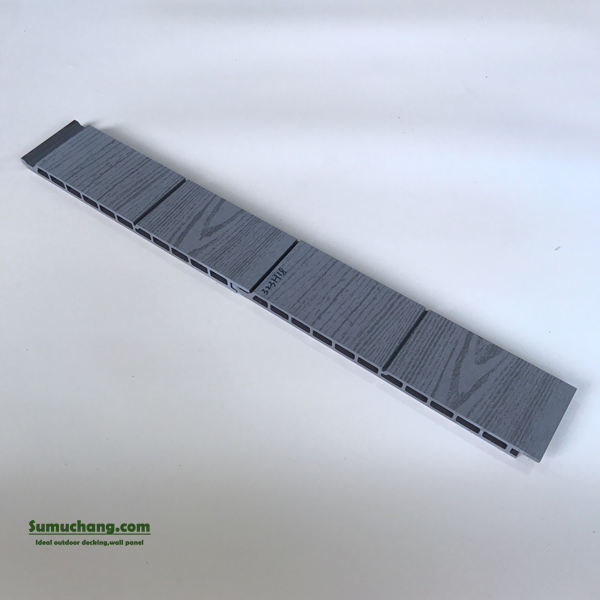
WPC 3D design represents a significant advancement in the field of outdoor wall decoration, enabling architects and designers to create visually appealing, highly functional structures. This innovative approach allows for the manipulation of textures, colours, and patterns, offering a tailored solution that meets the specific aesthetic and practical needs of outdoor spaces. By incorporating WPC (Wood Plastic Composite) materials into 3D designs, the resulting wall decorations not only enhance visual appeal but also provide durability and resistance to the elements, ensuring longevity in outdoor settings.
As an international sales manager for a Chinese outdoor WPC manufacturer, I can affirm that WPC 3D design technology has transformed the way we approach outdoor aesthetics. This technology allows customers to visualise their projects in a three-dimensional space before actual implementation, significantly reducing the risk of mismatched expectations and facilitating better decision-making processes. Utilising advanced software, clients can customise the designs according to their preferences, leading to a more satisfying end product.
Selecting Reliable WPC Suppliers
For overseas buyers looking to invest in WPC products, selecting a reliable supplier is paramount. It is essential to conduct thorough research on potential suppliers, focusing on their reputation in the market, customer reviews, and their ability to meet specific requirements. Engaging with manufacturers that have a strong track record in WPC 3D design can provide additional assurance regarding the quality and innovation of their products.
Furthermore, visiting suppliers’ facilities can offer insight into their production processes and quality control measures. This first-hand experience can help build trust and ensure that the supplier adheres to international standards. Assessing the technological capabilities of a supplier, especially in relation to WPC 3D design, will also enable buyers to gauge whether the supplier can deliver unique and customised solutions.
Evaluating Factories for WPC Production
When evaluating factories, it is crucial to consider their production capacity, machinery, and workforce expertise. A factory equipped with state-of-the-art technology for WPC 3D design and production is more likely to deliver high-quality products efficiently. Additionally, examining the factory’s adherence to safety and environmental standards is vital for ensuring sustainability in production.
Buyers should also inquire about the factory’s experience in exporting products, particularly to their specific region. Understanding the logistics and supply chain efficiencies of the factory can play a significant role in reducing lead times and ensuring timely delivery of products. Engaging with factories that have a proven export history can mitigate risks associated with international shipping and compliance with local regulations.
Confirming Specifications to Avoid Risks
Once a potential supplier is identified, confirming specifications is essential to avoid costly misunderstandings. Clear communication about the design and material specifications helps ensure that the final product aligns with initial expectations. When dealing with WPC 3D design, it is advisable to request detailed samples or prototypes, allowing buyers to assess the quality and suitability of the products prior to full-scale production.
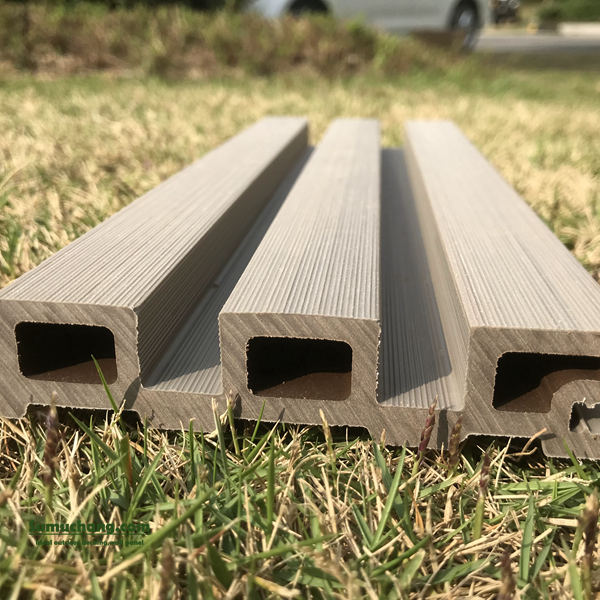
This proactive approach not only minimises the chances of errors but also establishes a collaborative relationship with the supplier. Documenting all specifications and agreements can serve as a reference point, helping to protect both parties throughout the purchasing process.
Common Purchasing Risks and How to Mitigate Them
Purchasing WPC products, particularly those involving intricate 3D designs, comes with its own set of challenges. One common risk is the inconsistency in product quality. To mitigate this, buyers should insist on third-party inspections and certifications that validate the quality of the materials used. Furthermore, establishing a clear set of quality control benchmarks with the supplier can help ensure that the products delivered meet the expected standards.
Another risk involves changes in market conditions, which can affect pricing and availability. Buyers should maintain open lines of communication with their suppliers to stay informed about market trends and potential price adjustments. Keeping a flexible approach in contracts can also allow for easier adaptation to changes without significant financial implications.