 Русский
  English
  Español
  Français
  Português
  Deutsch
  Italiano
  العربية
  简体中文
简体中文  香港中文
香港中文  한국어
한국어  日本語
日本語  Türkçe
  Nederlands
  Bahasa Indonesia
 Когда речь идет о наружном строительстве, в частности о настилах, выбор правильных материалов имеет решающее значение для обеспечения долговечности и эстетичности. Одним из ведущих вариантов в этой категории являются настилы из древесно-полимерного композита (ДПК). Этот инновационный материал сочетает в себе лучшие свойства дерева и пластика, что делает его очень подходящим для использования на открытом воздухе. Понимание того, как устанавливать и обслуживать настил из ДПК, может значительно увеличить срок его службы и эксплуатационные характеристики, что делает его оптимальным выбором для высококачественного наружного строительства.
Настилы из ДПК изготавливаются из комбинации переработанных древесных волокон и пластика, что представляет собой прочную альтернативу традиционным деревянным настилам. Одним из главных преимуществ настила из ДПК является его устойчивость к воздействию стихий. В отличие от традиционной древесины, ДПК не подвержен короблению, растрескиванию или раскалыванию, которые часто встречаются на открытом воздухе. Такая устойчивость делает настил из ДПК привлекательным вариантом для домовладельцев и строителей, которые ищут долговечные решения.
Установка настила из ДПК требует тщательного планирования и выполнения. Одним из первых шагов является обеспечение надлежащей подготовки основания. Каркас должен быть изготовлен из прочных материалов, способных противостоять влаге и изменениям окружающей среды. Кроме того, правильное расстояние между досками необходимо для обеспечения возможности расширения и сжатия при изменении температуры. Общее правило заключается в том, чтобы между досками оставался зазор около одной восьмой дюйма. Такое расстояние не только способствует дренажу, но и предотвращает трение досок друг о друга, что может привести к преждевременному износу.

При установке настила из ДПК важно строго следовать рекомендациям производителя. Большинство настилов из ДПК поставляются с конкретными рекомендациями по крепежу и способам установки. Использование рекомендованных винтов и методов установки - залог того, что настил будет надежно держаться в течение долгого времени. Многие производители также предоставляют подробные видеоролики и руководства по монтажу, которые могут стать бесценным источником информации как для профессиональных подрядчиков, так и для энтузиастов DIY.
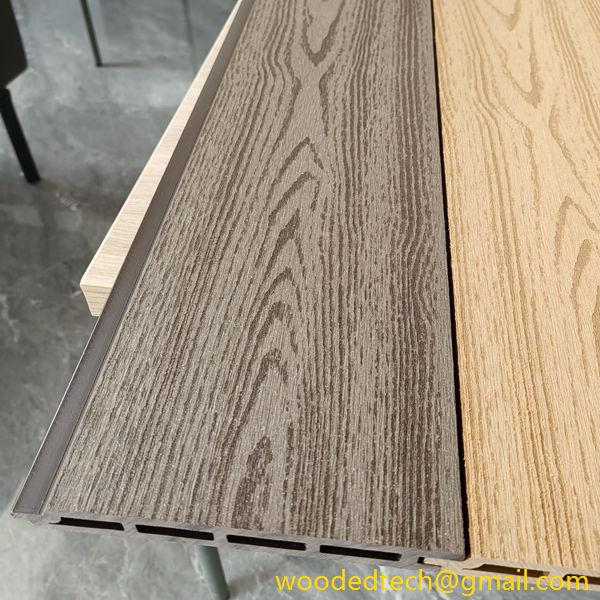
Одной из примечательных особенностей настила из ДПК является его универсальность в дизайне. Доски из ДПК доступны в различных цветах и текстурах, что позволяет создать индивидуальный дизайн, который дополнит любую эстетику внешнего вида. Домовладельцы могут добиться внешнего вида натурального дерева без сопутствующих проблем с обслуживанием. Кроме того, настил из ДПК легко режется и формируется, что позволяет использовать его в самых разных сферах - от прямых настилов до сложных конструкций с изгибами и углами.
Уход за настилами из ДПК относительно прост по сравнению с традиционными деревянными настилами. Одним из наиболее значительных преимуществ ДПК является его низкая требовательность к обслуживанию. В отличие от дерева, которое требует регулярного окрашивания, герметизации или покраски, ДПК разработан таким образом, чтобы сохранять свой цвет и структурную целостность без длительного ухода. Периодическая чистка - это, как правило, все, что необходимо для поддержания свежего и яркого вида поверхности. Для удаления грязи и мусора владельцы домов могут использовать слабый раствор мыла и воды, а также щетку с мягкой щетиной. Рекомендуется избегать агрессивных химических веществ или абразивных чистящих средств, так как они могут повредить поверхность.
Помимо регулярной чистки, необходимо периодически осматривать настил на наличие признаков износа или повреждений. Хотя ДПК очень устойчив к таким распространенным внешним воздействиям, как плесень и грибок, все же стоит следить за возможными проблемами. Если обнаружены расшатанные доски или крепежные элементы, их следует незамедлительно устранить, чтобы предотвратить дальнейшие повреждения. Регулярные осмотры помогут выявить проблемы на ранней стадии, что обеспечит сохранение настила в отличном состоянии на долгие годы.
Еще один важный аспект ухода - обеспечение надлежащего дренажа вокруг палубы. Стоячая вода может привести к образованию плесени и со временем нарушить целостность настила. Ландшафтные и дренажные решения должны быть продуманы как на этапе установки, так и на этапе обслуживания, чтобы обеспечить отвод воды от настила.

С точки зрения экологичности, декинг из ДПК является экологически чистым выбором для наружного строительства. Использование переработанных материалов при его производстве сокращает количество отходов и снижает воздействие на окружающую среду, связанное с вырубкой лесов. Кроме того, долгий срок службы настила из ДПК означает, что со временем требуется замена меньшего количества материалов, что еще больше способствует его экологичности.
Выбор настила из ДПК для наружных строительных проектов не только повышает эстетическую привлекательность открытых пространств, но и обеспечивает практичное решение, отвечающее требованиям долговечности и неприхотливости в обслуживании. Соблюдение правильных технологий монтажа и ухода гарантирует, что настил из ДПК останется ценной инвестицией, обеспечивая удовольствие и функциональность в течение многих лет. Такое сочетание красоты, функциональности и экологичности делает ДПК отличным выбором для высококачественного наружного строительства.