 English
  Español
  Français
  Português
  Deutsch
  Italiano
  Русский
  العربية
  简体中文
简体中文  香港中文
香港中文  한국어
한국어  日本語
日本語  Türkçe
  Nederlands
  Bahasa Indonesia
 Stylish Plastic Wood Slats for Fencing and Decorative Features
The use of stylish plastic wood slats for fencing and decorative features has gained significant popularity in recent years. These materials combine the aesthetic qualities of traditional wood with the durability and low maintenance characteristics of plastic. The production process of these slats plays a crucial role in determining their performance, appearance, and overall sustainability.
The first step in the production of plastic wood slats involves sourcing the raw materials. Typically, the primary components of plastic wood are recycled plastics, such as polyethylene or polypropylene, and wood fibers or flour. By utilizing recycled plastics, manufacturers contribute to environmental sustainability by reducing the amount of plastic waste in landfills. The wood fibers not only enhance the aesthetic appeal of the product but also provide structural integrity. The careful selection of these materials is vital, as it affects the final product’s strength, durability, and resistance to the elements.
Once the raw materials are sourced, the next phase is the formulation of the composite material. This process involves mixing the recycled plastics and wood fibers in specific ratios to achieve the desired characteristics. The blending process is critical as it ensures uniform distribution of the materials, which contributes to the overall strength and appearance of the slats. Additionally, additives such as colorants, UV stabilizers, and anti-fungal agents may be included to enhance performance and longevity. These additives not only improve the aesthetic appeal through various color options but also protect the slats from sun exposure and moisture, which can lead to degradation over time.
Following the formulation, the composite mixture is subjected to a melting and extrusion process. During this phase, the blended materials are heated to a specific temperature until they reach a molten state. The molten composite is then forced through a die to create slats of desired dimensions and shapes. This extrusion process is highly efficient and allows for mass production of uniform slats. Moreover, the ability to customize the shape and size of the slats provides designers and architects with the flexibility to create unique fencing and decorative features tailored to specific applications.

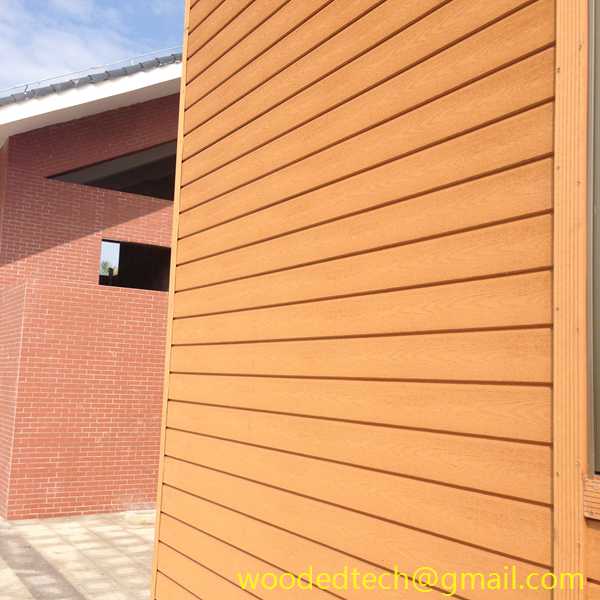
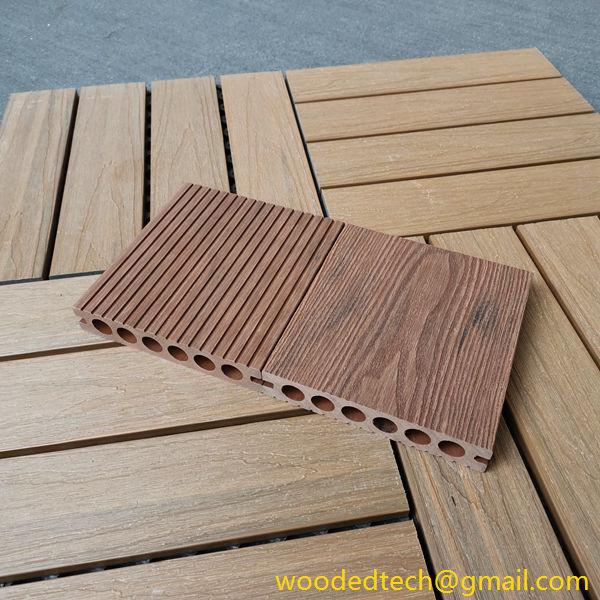
After extrusion, the slats are cooled and cut to the appropriate lengths. It is essential to ensure that the cooling process is controlled to prevent warping or deformation of the slats. Once cut, the slats may undergo additional treatments, such as sanding or surface texturing, to enhance their visual appeal and tactile qualities. The surface finish of the slats can be designed to mimic natural wood grain, providing a stylish and elegant appearance that rivals traditional wooden fencing.
The next stage in the production process is quality control. Each batch of slats is rigorously tested for strength, durability, and resistance to environmental factors. This step is crucial in ensuring that the final product meets industry standards and customer expectations. Tests may include exposure to UV light, water absorption, and mechanical stress tests. By adhering to stringent quality control measures, manufacturers can guarantee that their products will perform well over time, thus reducing the likelihood of customer complaints and returns.
Once quality assurance is completed, the slats are ready for distribution. The packaging process is designed to protect the slats during transportation and storage. Manufacturers often use eco-friendly packaging materials to align with the sustainable ethos of plastic wood products. This not only minimizes environmental impact but also appeals to consumers who prioritize sustainability in their purchasing decisions.

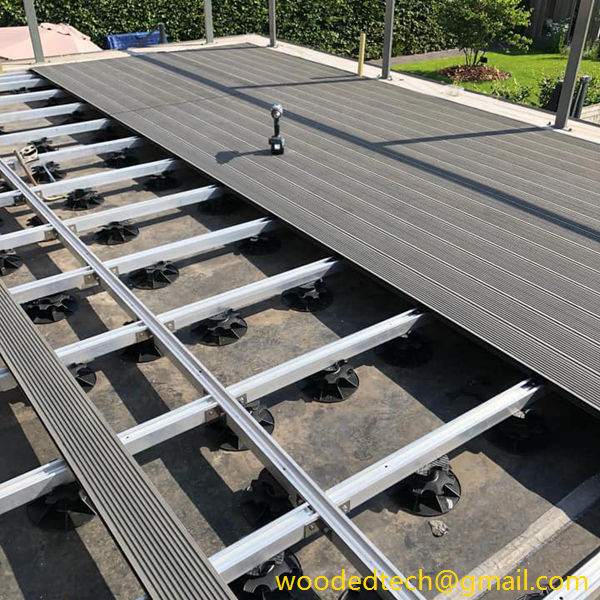
The versatility of stylish plastic wood slats extends beyond fencing. They can be used in various applications, including decking, railing, and decorative garden features. Their resistance to rot, insects, and fading makes them an ideal choice for outdoor use, where traditional wood may fail. Furthermore, the low maintenance requirements—such as the elimination of painting or staining—make plastic wood slats an attractive option for homeowners and landscapers alike.
In addition to their practical benefits, plastic wood slats contribute to aesthetic appeal in outdoor spaces. They can be designed in various colors and finishes, allowing for creative expression in landscaping and architectural design. Whether used in residential gardens or commercial properties, these slats can enhance visual interest and create a welcoming atmosphere.
The production of stylish plastic wood slats represents a significant advancement in materials technology. By combining the best attributes of plastic and wood, manufacturers have developed a product that meets the needs of modern consumers. As sustainability continues to be a priority for many, the ongoing evolution of plastic wood slats will likely lead to even more innovative designs and applications in the future.