 English
  Español
  Français
  Português
  Deutsch
  Italiano
  Русский
  العربية
  简体中文
简体中文  香港中文
香港中文  한국어
한국어  日本語
日本語  Türkçe
  Nederlands
  Bahasa Indonesia
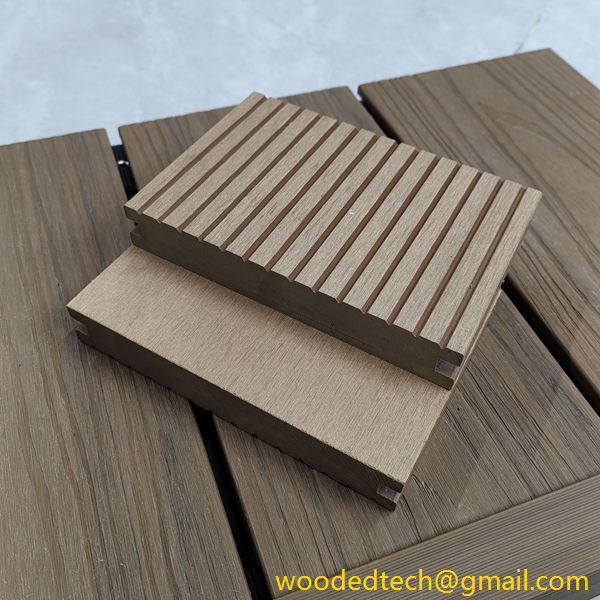
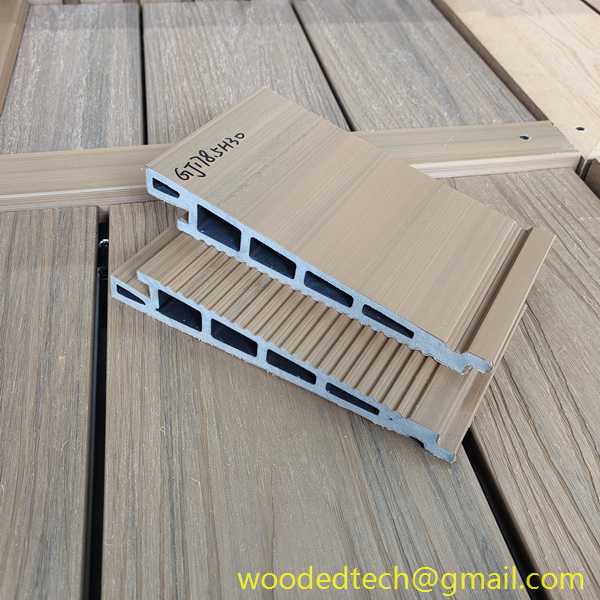
 Reliable Plastic Wood Siding for a Modern Outdoor Look
Reliable plastic wood siding has emerged as a popular choice for homeowners and builders seeking a modern outdoor aesthetic. This innovative material combines the visual appeal of traditional wood with the durability and low maintenance of synthetic alternatives. As trends evolve in home design, understanding the global capacity distribution and pricing advantages of plastic wood siding can provide valuable insights for consumers and industry professionals alike.
The global production of plastic wood siding is heavily influenced by the availability of raw materials, manufacturing capabilities, and market demand. Countries renowned for their advanced manufacturing technologies, such as the United States, Germany, and China, play a significant role in the production of plastic wood siding. These nations boast a well-established infrastructure for recycling plastic waste, which is a primary component in the creation of plastic wood products. By utilizing recycled materials, manufacturers not only contribute to environmental sustainability but also benefit from reduced raw material costs.
China, in particular, has emerged as a dominant player in the global plastic wood siding market. With its robust manufacturing sector, China can produce these materials at a lower cost compared to many Western countries. The combination of affordable labor, advanced technology, and economies of scale allows Chinese manufacturers to offer competitive pricing while maintaining quality. This pricing advantage has led to an increased export of plastic wood siding to various regions around the world, particularly North America and Europe.
In addition to China, other countries, including India and Brazil, are also expanding their production capacities. As these emerging markets invest in modern manufacturing techniques and infrastructure, they are poised to become significant contributors to the global supply of plastic wood siding. This diversification of production locations not only helps stabilize prices but also reduces dependence on any single country, thereby mitigating risks associated with geopolitical tensions or trade disputes.
The pricing dynamics of plastic wood siding are also influenced by the material’s composition and the production process. Unlike traditional wood siding, which requires regular maintenance, such as painting, staining, and sealing, plastic wood siding is designed to withstand the elements without the need for extensive upkeep. This inherent durability translates to long-term cost savings for homeowners. When evaluating the total cost of ownership, the initial investment in plastic wood siding can be offset by the reduced maintenance expenses over time.
Moreover, the growing demand for environmentally friendly building materials has led to increased competition among manufacturers. This competition drives innovation and efficiency, resulting in better pricing for consumers. Many companies are now focused on producing eco-friendly plastic wood siding that does not compromise on quality or aesthetics. By utilizing advanced technology and sustainable practices, these manufacturers can offer products that appeal to environmentally conscious consumers while maintaining cost-effectiveness.

The rise in popularity of plastic wood siding can also be attributed to its versatility. Available in a wide range of colors, textures, and styles, plastic wood siding can complement various architectural designs, from contemporary to traditional. This adaptability allows homeowners and builders to create a modern outdoor look that enhances the overall curb appeal of a property. As more people seek to personalize their outdoor spaces, the demand for customizable siding options continues to grow.
Furthermore, the ease of installation associated with plastic wood siding contributes to its attractiveness. Builders appreciate the lightweight nature of the material, which simplifies handling and reduces installation time. This efficiency not only lowers labor costs but also accelerates project timelines, making it an appealing choice for contractors and developers.
As we look toward the future, it is clear that the plastic wood siding market will continue to evolve. With advancements in technology and increasing consumer awareness of sustainable practices, manufacturers are likely to introduce even more innovative products that meet the demands of modern homeowners. The ability to produce high-quality siding at competitive prices will remain a crucial factor in shaping the market landscape.

The combination of global production capacity, pricing advantages, and the growing popularity of plastic wood siding positions it as a reliable choice for achieving a modern outdoor look. As manufacturers continue to innovate and optimize their processes, consumers can expect to benefit from a diverse range of options that meet both aesthetic preferences and budget considerations. Whether for new construction or renovations, plastic wood siding offers a compelling solution that aligns with contemporary design trends and sustainable building practices.