 English
  Español
  Français
  Português
  Deutsch
  Italiano
  Русский
  العربية
  简体中文
简体中文  香港中文
香港中文  한국어
한국어  日本語
日本語  Türkçe
  Nederlands
  Bahasa Indonesia
 Sumuchang Composite Wood Decking is becoming increasingly popular for outdoor projects due to its durability, aesthetic appeal, and versatility. This innovative material is designed to meet a wide range of size requirements, making it suitable for various applications from residential patios to commercial spaces. Understanding the global capacity distribution and price advantages of composite wood decking can provide valuable insights into its growing popularity and the factors influencing its market presence.
The global production of composite wood decking is concentrated in regions with strong manufacturing capabilities, particularly in Asia, North America, and Europe. Countries such as China and the United States are leading producers, leveraging advanced technology and extensive resources to create high-quality products. This geographical distribution of production capacity allows for efficient supply chains, enabling manufacturers to meet the increasing demand for composite decking materials.
China, for instance, has invested heavily in the development of its manufacturing sector, leading to lower production costs and increased output. The availability of raw materials, such as recycled plastics and wood fibers, has also contributed to the growth of the composite decking industry in this region. As a result, Chinese manufacturers can offer competitive pricing, making their products appealing to both domestic and international markets.

North America, particularly the United States, has a well-established market for composite decking, driven by consumer preferences for sustainable and low-maintenance outdoor solutions. Leading manufacturers in this region focus on innovation and quality, often producing premium products that cater to a more discerning customer base. While the production costs may be higher compared to Asian manufacturers, the emphasis on quality and durability allows these companies to command a premium price in the market. Additionally, the proximity to major consumer markets reduces transportation costs and enhances overall competitiveness.
Europe is another significant player in the composite wood decking industry, with a growing emphasis on sustainability and eco-friendly materials. European manufacturers often prioritize the use of recycled materials and adhere to stringent environmental regulations. This focus on sustainability can lead to higher production costs; however, it also appeals to environmentally conscious consumers who are willing to pay a premium for products that align with their values. The diverse range of sizes offered by European manufacturers caters to various design preferences and outdoor project requirements, further enhancing their market appeal.
The price advantages of composite wood decking are evident when comparing it to traditional wood decking. While the initial investment in composite materials may be higher, their long-term durability and low maintenance requirements result in significant cost savings over time. Composite decking is resistant to rot, splintering, and insect damage, which reduces the need for frequent repairs or replacements. This durability translates into lower lifecycle costs, making composite decking a financially sound choice for both homeowners and commercial property developers.
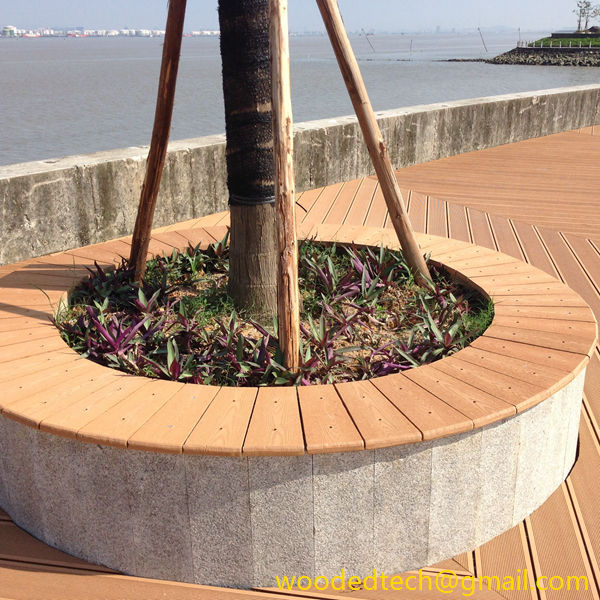
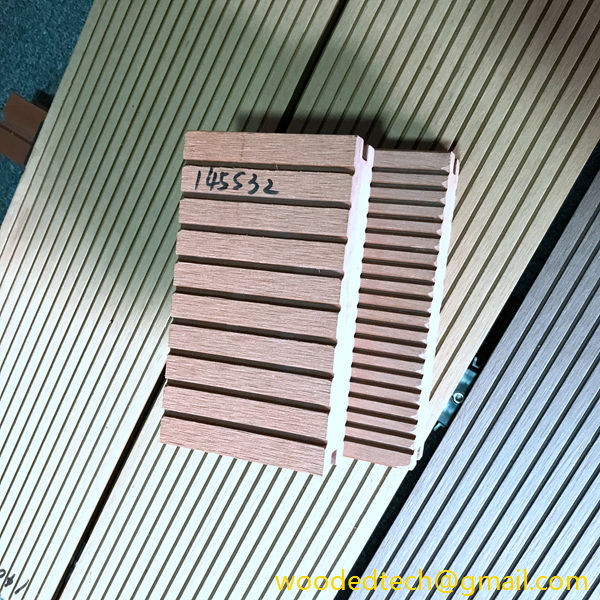
Moreover, the versatility of composite wood decking sizes allows for customization in outdoor projects. Whether it is a small balcony, a sprawling deck, or a complex commercial installation, the ability to choose from various sizes ensures that designers and builders can create spaces that meet their specific needs. This adaptability is a key selling point in a market where tailored solutions are increasingly sought after.

Price advantages are also influenced by the competitive landscape within the composite decking industry. As more manufacturers enter the market, competition drives innovation and pricing strategies. This competition encourages companies to improve their production processes, reduce costs, and pass savings on to consumers. Consequently, buyers benefit from a wider range of options at various price points, enabling them to select products that align with their budget and project requirements.
In addition to cost and size advantages, the aesthetic appeal of composite wood decking cannot be overlooked. Available in a variety of colors and textures, composite materials can mimic the look of natural wood while offering superior performance. This aesthetic versatility allows homeowners and designers to achieve their desired look without compromising on durability or maintenance requirements.
The global distribution of composite wood decking production capacity, combined with price advantages and aesthetic appeal, positions Sumuchang Composite Wood Decking as an ideal choice for a wide range of outdoor projects. As the demand for sustainable and durable materials continues to rise, the composite decking market is expected to grow, driven by innovations in manufacturing and a greater emphasis on eco-friendly solutions. This growth will enable consumers to enjoy high-quality outdoor spaces that not only enhance their properties but also contribute to a more sustainable future.