 English
  Español
  Français
  Português
  Deutsch
  Italiano
  Русский
  العربية
  简体中文
简体中文  香港中文
香港中文  한국어
한국어  日本語
日本語  Türkçe
  Nederlands
  Bahasa Indonesia
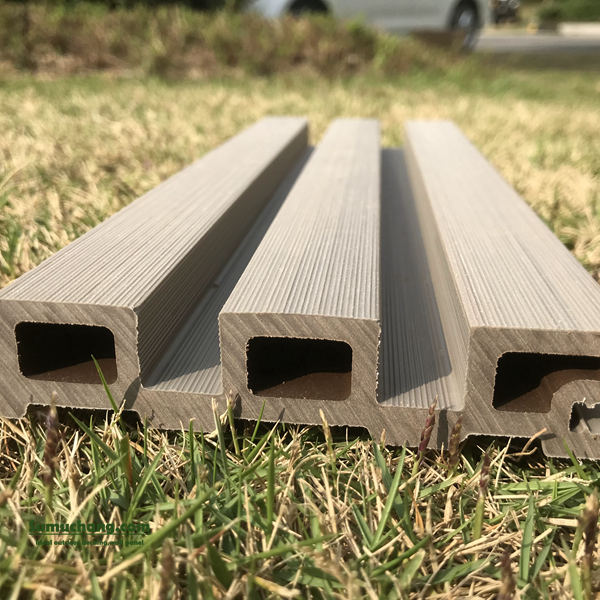
 When it comes to constructing a composite deck, the importance of a strong and reliable foundation cannot be overstated. The framing serves as the backbone of the deck, providing the necessary support for the composite materials that will be installed on top. Proper installation and maintenance of the framing are essential for ensuring the longevity and stability of the deck. This article will explore the key considerations for installing and maintaining Sumuchang framing for a composite deck, focusing on the materials, techniques, and best practices to achieve a durable structure.
Selecting the right materials is the first step in ensuring a solid foundation for a composite deck. Sumuchang framing is known for its durability and resistance to the elements, making it an excellent choice for outdoor applications. It is important to choose high-quality wood or composite materials that can withstand moisture, temperature fluctuations, and pests. When selecting wood, pressure-treated lumber is often recommended as it is treated to resist rot and decay. Alternatively, composite framing materials offer additional advantages, such as reduced maintenance needs and enhanced longevity.
Once the materials have been selected, the installation process can begin. Start by preparing the ground where the deck will be built. This may involve clearing away vegetation, leveling the ground, and ensuring proper drainage to prevent water from pooling beneath the deck. Proper drainage is crucial in avoiding moisture-related issues that can compromise the integrity of the framing over time.
Next, it is essential to lay out the deck’s design accurately. Mark the locations of the posts and beams according to the planned layout. This step is vital for ensuring that the weight of the deck is distributed evenly and that the structure is stable. Use a level to ensure that all measurements are precise, as any discrepancies can lead to structural issues down the line.

After the layout is established, install the support posts. These posts are typically set into concrete footings to provide a solid base. It is important to ensure that each post is plumb and securely anchored in the footing. This will prevent movement and shifting, which can lead to instability. Once the posts are in place, install the beams that will support the joists and decking. The beams should be spaced according to the load requirements and the specifications of the composite materials being used.
The next step involves installing the joists, which will provide the framework for the composite decking. Joists should be spaced appropriately to support the weight of the decking material and any furniture or foot traffic that will be present on the deck. It is advisable to use a moisture barrier between the joists and the decking material to prevent moisture from seeping into the framing. This simple precaution can help extend the life of the deck by minimizing the risk of rot and decay.
Once the framing is installed, regular maintenance is essential to ensure its longevity. Start by inspecting the deck periodically for any signs of damage or wear. Look for loose boards, signs of rot or decay, and any insect infestations. Addressing these issues promptly can prevent minor problems from escalating into major structural concerns.

Cleaning the deck regularly is another important maintenance step. Debris such as leaves, dirt, and algae can accumulate on the surface, leading to moisture retention and potential damage. Use a soft-bristle broom or a leaf blower to remove debris, and wash the surface with a mild detergent and water to keep it looking fresh. Avoid using harsh chemicals or power washing, as these can damage composite materials.
In addition to regular cleaning, it is important to check the integrity of the framing itself. Inspect the support posts and beams for any signs of movement or instability. If any issues are detected, such as shifting or leaning posts, they should be addressed immediately to maintain the stability of the deck.
Another aspect of maintenance involves ensuring that the deck remains properly sealed. If using wood framing, apply a sealant or stain to protect against moisture and UV damage. Composite materials typically require less maintenance in this regard but should still be cleaned and inspected regularly to prevent build-up that could compromise their appearance and function.
Incorporating these installation and maintenance practices will help ensure that Sumuchang framing for a composite deck remains strong and reliable over time. By selecting the right materials, following proper installation techniques, and committing to regular maintenance, homeowners can enjoy a beautiful and functional outdoor space that will last for years to come. A sturdy frame is the foundation of any successful deck, and with attention to detail, it is possible to create a structure that stands the test of time.