 English
  Español
  Français
  Português
  Deutsch
  Italiano
  Русский
  العربية
  简体中文
简体中文  香港中文
香港中文  한국어
한국어  日本語
日本語  Türkçe
  Nederlands
  Bahasa Indonesia
 The Importance of WPC Wall Cladding Texture
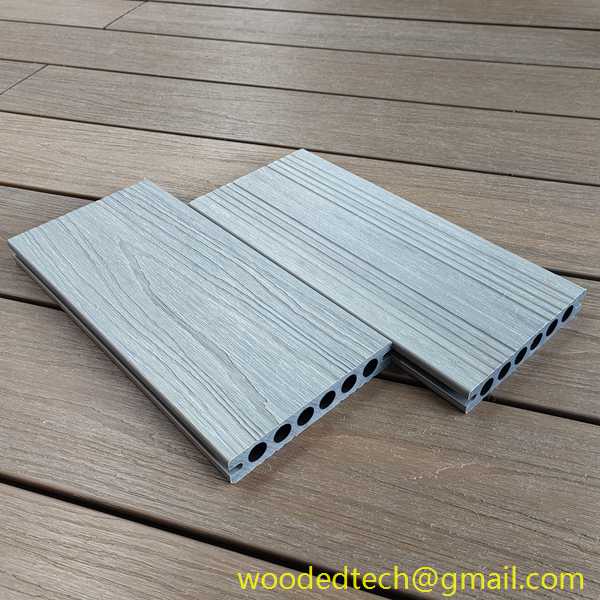
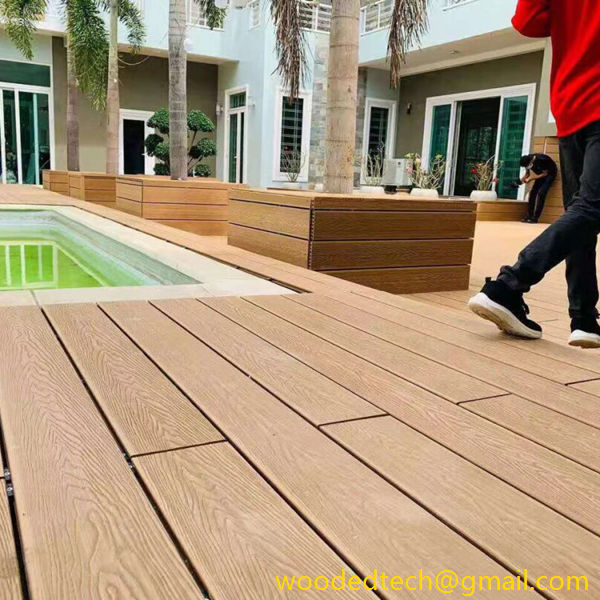
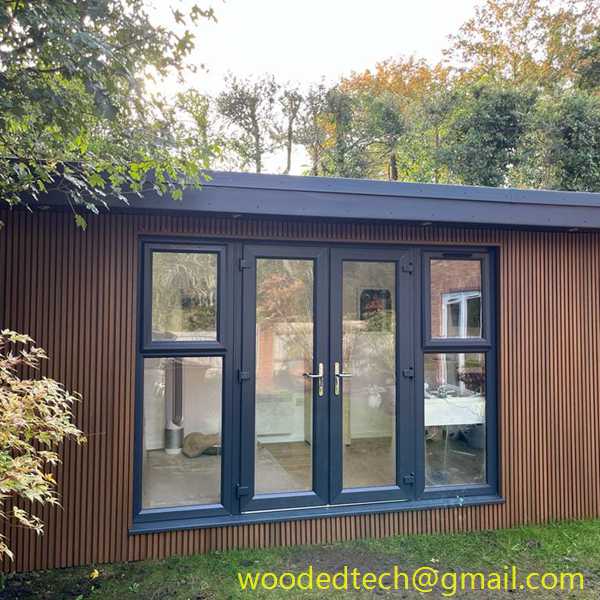
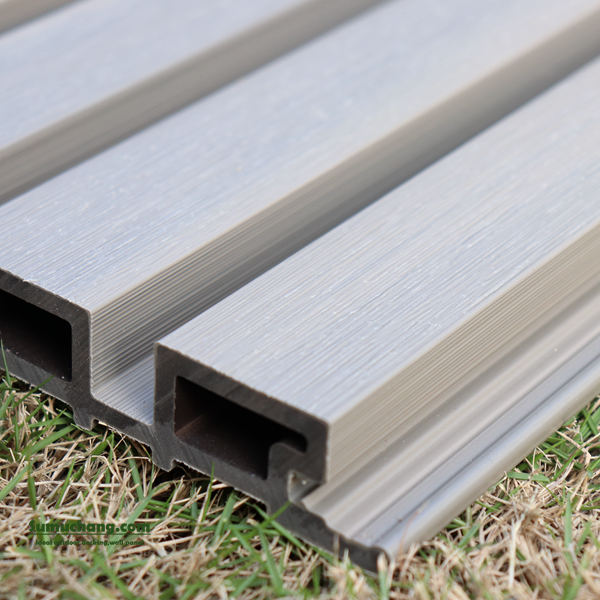
WPC wall cladding texture significantly enhances the aesthetic appeal of buildings, offering a modern look combined with durability. The product’s surface finish can mimic natural wood grains, stone textures, or even sleek contemporary finishes, all of which appeal to various architectural styles. This versatility is crucial for exterior applications, as the right texture can complement the design intent while providing functional benefits such as resistance to moisture, fading, and wear over time.
Moreover, the texture of WPC wall cladding can influence the perception of a structure. A rougher, more natural finish may suggest warmth and richness, while a smoother, polished appearance offers a clean, modern aesthetic. As architects and designers increasingly opt for sustainable materials, the ability of WPC to provide these varied textures without compromising ecological considerations is essential.

Packaging Solutions for WPC Products
In the context of exporting WPC wall cladding, proper packaging is paramount to safeguard these products during transit. The packaging design must accommodate the diverse range of textures and sizes of WPC wall panels, ensuring that they arrive at their destination in pristine condition. Factors such as humidity, temperature fluctuations, and physical handling create conditions that can damage poorly packaged products, making it vital for manufacturers to invest in robust packaging solutions.
Optimally, packaging solutions for WPC wall panels include custom-designed crates or pallets that are tailored to the specific dimensions and weight of the panels. Ensuring that the panels fit snugly prevents movement during shipping, which could otherwise lead to scratches or structural damage. Additionally, using moisture-resistant materials in packaging helps combat the risk of water absorption that can occur in ocean transportation.
Material Selection for Packaging
The choice of materials for packaging WPC wall cladding is another critical consideration. Corrugated cardboard, combined with moisture barriers, provides a lightweight yet durable option that can withstand the rigours of long-distance shipping. Alternatively, wooden crates may be employed for heavier panels, providing superior protection against impacts. The use of biodegradable or recyclable materials is increasingly popular, aligning with the sustainable values of WPC products.
Moreover, protective corner pads or foam inserts can be used within packaging to cushion the panels against shocks and vibrations. This is especially vital for textured surfaces, as they are more prone to visible damage if not adequately protected. The design of the packaging must also consider the ease of unpacking and handling at the destination, reducing the risk of damage when the products are removed from their protective enclosures.
Quality Control in Packaging Design
Conducting trials and using feedback from logistics partners can provide invaluable insights into potential weaknesses in the packaging design. Continuous improvement based on real-world testing can lead to more effective solutions, reinforcing the integrity of WPC wall cladding during transit. By ensuring a high level of quality in packaging, manufacturers not only protect their products but also enhance their reputation in international markets.
Customer Expectations and Packaging Innovation
As the demand for WPC wall cladding grows, so too do customer expectations regarding product presentation and protection. Innovative packaging solutions can differentiate a brand in a competitive marketplace, influencing purchasing decisions. Manufacturers who invest in eye-catching yet functional packaging can enhance the perceived value of their products, leading to increased customer satisfaction.
The integration of technology, such as tracking systems within packaging, can provide customers with real-time data about the shipping status of their WPC wall cladding orders. This transparency not only builds trust but also allows for proactive management of any potential issues arising during transportation. By addressing these customer needs through thoughtful packaging design, manufacturers can further solidify their position in the WPC market.