 English
  Español
  Français
  Português
  Deutsch
  Italiano
  Русский
  العربية
  简体中文
简体中文  香港中文
香港中文  한국어
한국어  日本語
日本語  Türkçe
  Nederlands
  Bahasa Indonesia
 Composite Decking Options and Their Formulations
Composite decking has gained immense popularity as a sustainable alternative to traditional wood. As a WPC formulation development engineer, my focus lies on crafting high-performance outdoor wood plastic composite formulas that cater to various applications including decking, wall cladding, fencing, pergolas, and landscape products. The essence of creating these composites lies in striking the right balance between wood fiber content, plastic ratio, additives, cost control, and product lifespan. Each of these elements plays an essential role in ensuring that the final product not only meets aesthetic demands but also withstands environmental challenges.
The primary components of composite decking are wood fibers and plastics. The wood fiber content is crucial as it imparts a natural texture and appearance, giving the product a warm, organic feel. This aspect is vital for consumers who prefer a material that blends seamlessly with outdoor environments. However, achieving the right ratio of wood to plastic is imperative; too much wood can lead to decay, while too much plastic may compromise the material’s structural integrity. Typically, a blend that contains 50 to 70 percent wood fibers offers the best balance, ensuring durability while still maintaining the desirable appearance.
Additives and Their Impact on Performance
In addition to wood and plastic, various additives are incorporated to enhance the performance characteristics of composite decking. These can include UV stabilisers, anti-fungal agents, and colour pigments. UV stabilisers are especially important as they protect the material from sun damage, preventing fading and maintaining colour integrity over time. Anti-fungal agents ensure that the composite does not succumb to mould growth, a common issue in damp conditions. Furthermore, the choice of colour additives can significantly influence market appeal, allowing for a diverse array of aesthetic options that cater to different consumer preferences.

While designing formulations, we must also consider the environmental impact. Sustainable practices are increasingly important to consumers, and using recycled materials in our composites can not only reduce waste but also lower production costs. For instance, incorporating recycled plastics not only improves the environmental footprint of our products but also often provides a cost-effective solution for manufacturers.
Cost Control Without Compromising Quality
Cost control is a critical factor in the formulation of composite decking. Manufacturers must navigate the tightrope of producing cost-effective materials without sacrificing quality. This requires a deep understanding of the material properties and the market demands. One effective approach is to optimise the formulation by experimenting with various types of wood fibers and plastics. For instance, using lower-cost hardwoods might yield similar performance results compared to higher-cost options, thereby allowing us to offer competitive pricing without a reduction in quality.
Moreover, economies of scale play a vital role in cost management. By producing large volumes, manufacturers can often negotiate better prices for raw materials, thereby controlling overall costs. This aspect is particularly pertinent when considering the fluctuating prices of both wood and plastic. By maintaining relationships with suppliers and monitoring market conditions, we can effectively manage our budgets and pricing strategies.
Evaluating Product Lifespan and Durability
The longevity of composite decking is a significant selling point that consumers consider when making purchasing decisions. Product lifespan is influenced by various factors, including the composition of the material, the quality of additives, and the intended application. We test our formulations rigorously to ensure they can withstand the rigours of outdoor environments, such as exposure to moisture, temperature fluctuations, and potential physical damage.
Durability testing often involves simulating real-world conditions. For example, we may expose samples to extreme temperature variations and prolonged moisture to assess their performance over time. Such evaluations help refine the formulation, ensuring that products not only meet but exceed industry standards for durability and lifespan. Additionally, we keep an eye on consumer feedback to make iterative improvements based on practical experiences.
Designing for Aesthetics and Functionality
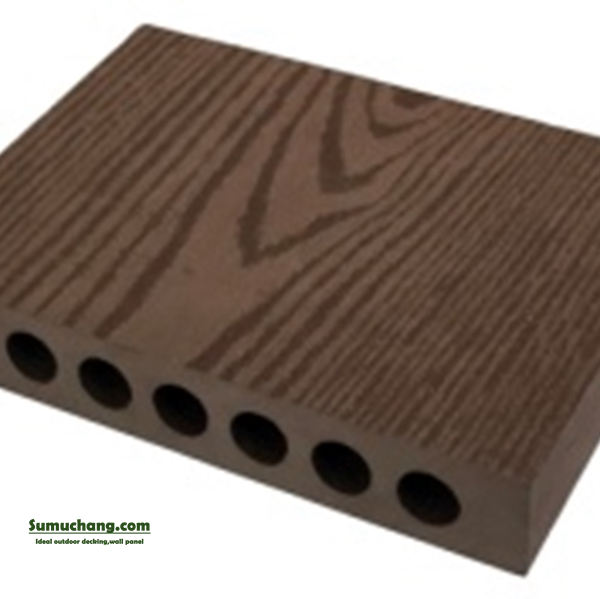
While performance is paramount, the visual appeal of composite decking cannot be overlooked. Today’s consumers are aesthetically driven, often seeking products that enhance their outdoor spaces. The design must take into account both colour and texture. Various wood grain finishes can be replicated through advanced manufacturing techniques, giving consumers the look of natural wood without the associated maintenance issues.
Moreover, functionality extends beyond aesthetics. The surface texture of composite decking plays a role in slip resistance, an essential factor for safety in outdoor areas. By experimenting with different surface treatments and profiles, we can create products that not only look great but also perform well under various conditions. This dual focus on aesthetics and functionality helps position composite decking as a desirable choice in the marketplace.