 English
  Español
  Français
  Português
  Deutsch
  Italiano
  Русский
  العربية
  简体中文
简体中文  香港中文
香港中文  한국어
한국어  日本語
日本語  Türkçe
  Nederlands
  Bahasa Indonesia
 The Role of Materials in Capped Polymer Decking
Capped polymer decking stands out as an advanced solution for outdoor areas, primarily due to its innovative composition of wood powder, high-density polyethylene (HDPE) or polyvinyl chloride (PVC) polymers, along with various additives, pigments, and modifiers. Each of these components plays a significant role in enhancing the decking’s durability, weather resistance, and overall performance. The use of wood powder not only contributes to the natural aesthetic appeal of the decking but also provides structural integrity. When blended correctly with HDPE or PVC, it creates a composite that is not only lightweight but also capable of withstanding extreme weather conditions.
HDPE and PVC polymers form the core of the capped polymer decking, providing excellent resistance to moisture and UV rays. Unlike traditional timber, which can warp or rot when exposed to the elements, capped polymer decking remains stable and visually appealing over time. By incorporating additives such as stabilisers and anti-fungal agents, manufacturers can further enhance the product’s longevity, ensuring that the decking retains its colour and structural integrity through years of use.
Weather Resistance and Durability Factors
One of the standout features of capped polymer decking is its superior weather resistance. The combination of wood powder and polymers creates a barrier that prevents water absorption, thus reducing the risk of mould and mildew formation. This is particularly vital in regions with high humidity or frequent rain. Moreover, the capping layer adds an additional protective shield that enhances scratch and stain resistance, making it an ideal choice for outdoor areas where foot traffic is common.
Durability is not just about the resistance to weather; it also encompasses the overall wear and tear from everyday use. The incorporation of high-quality pigments ensures that UV rays do not fade the colour of the decking, maintaining its aesthetic appeal for years. When subjected to rigorous quality control measures during the production process, the result is a product that not only meets but often exceeds industry standards for outdoor decking materials.

Quality Control in Production
During the manufacturing process, several quality checks are carried out at different stages. For example, before the mixing of materials, a thorough analysis of the wood powder is conducted to ensure consistent particle size and moisture content. Once the composite is formed, testing for physical properties such as tensile strength, impact resistance, and colourfastness is crucial. This allows for the identification of any anomalies in the production line, ensuring that only the best products reach the consumer.
Additives, Pigments, and Modifiers
The careful selection of additives, pigments, and modifiers is fundamental in determining the performance of capped polymer decking. Additives such as lubricants and processing aids facilitate smoother manufacturing processes, while pigments allow for a diverse range of aesthetic options. Each pigment used not only contributes to visual appeal but is also chosen based on its ability to resist fading and degradation from UV exposure.
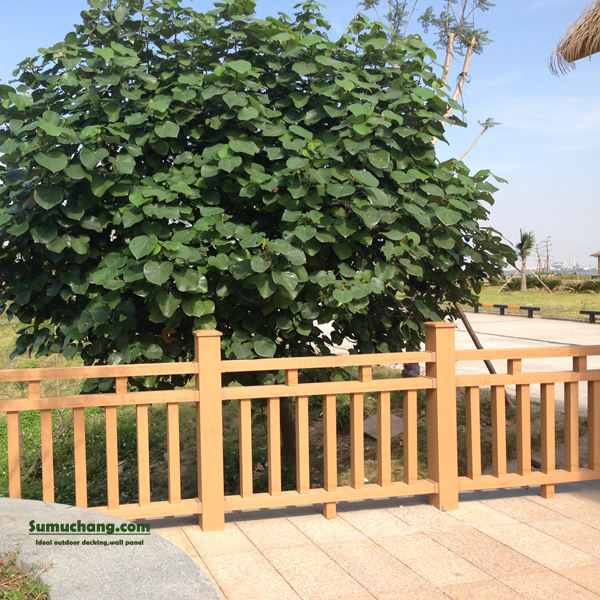
Modifiers play a critical role in enhancing specific properties of the decking. For instance, anti-slip modifiers can be incorporated to provide better traction, especially in wet conditions. This feature is increasingly important for outdoor surfaces where safety is a concern. By optimising these components, manufacturers can tailor their products to meet specific market demands, creating a versatile and high-performing outdoor solution.
The Future of Capped Polymer Decking
Similar Posts
Why choose recycled plastic decking for sustainable outdoor flooring
The Rise of Recycled Plastic Decking In recent years, architects…
How to design composite decking for front porch areas
Customising Composite Decking Dimensions When designing composite decking for front…
Where Can I Buy WPC Flooring: Your Ultimate Guide to Suppliers and Options
Where Can I Buy WPC Flooring: Your Ultimate Guide to…
What are the best composite decking examples for inspiration
Composite Decking Examples in Comparison Composite decking has surged in…
Discover the Benefits of Wood Plastic Composite Decking for Your Home
Discover the Benefits of Wood Plastic Composite Decking for Your…
co extrusion
co extrusion Exploring the co extrusion process of outdoor wood-plastic…