 English
  Español
  Français
  Português
  Deutsch
  Italiano
  Русский
  العربية
  简体中文
简体中文  香港中文
香港中文  한국어
한국어  日本語
日本語  Türkçe
  Nederlands
  Bahasa Indonesia
 The Benefits of Oak Effect Composite Decking
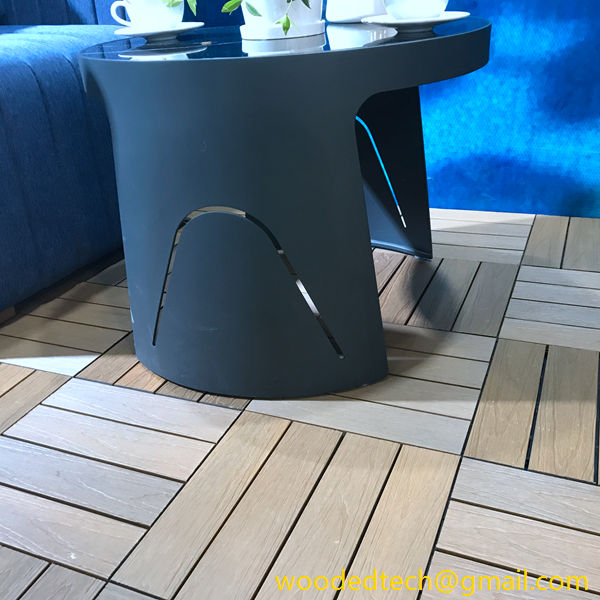
Oak effect composite decking has gained widespread popularity in recent years, particularly among those seeking to create natural outdoor designs. This type of decking not only replicates the aesthetic appeal of traditional oak wood but also brings with it the advantages of durability and low maintenance. Its ability to resist weathering and pests makes it a sensible choice for outdoor spaces. With advancements in WPC (Wood Plastic Composite) technology, oak effect composite decking has become a formidable alternative to conventional decking materials.
In addition to its visual appeal, oak effect composite decking is designed to withstand the rigours of outdoor use. Its resistance to fading, staining, and warping means it retains its beauty for longer periods. Furthermore, the eco-friendly nature of WPC materials contributes to sustainable practices, aligning with the increasing demand for environmentally responsible choices in building materials.
The Complete WPC Extrusion Process
The extrusion process is fundamental to the creation of oak effect composite decking. This begins with the careful selection and mixing of raw materials, typically comprising wood fibres and thermoplastic polymers. The mixing process is critical, as it ensures a uniform distribution of materials, allowing for optimal performance and aesthetics. In achieving the oak effect, colourants and additives are integrated at this stage to produce the desired finish.
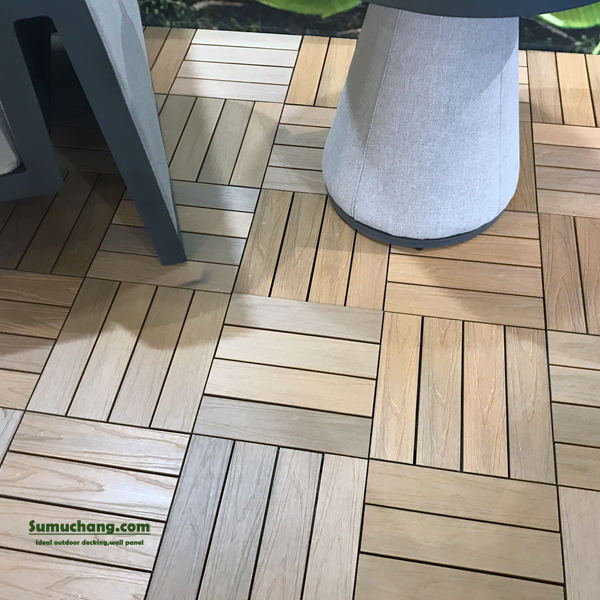
Following mixing, the material is pelletised to facilitate easier handling and feeding into the extruder. This stage is essential as it enhances the flow characteristics of the composite during the extrusion process. The pellets then enter the extruder, where precise temperature control becomes paramount. Temperature settings must be carefully monitored throughout the process to prevent degradation of the wood and plastic components, ensuring that the integrity and quality of the final product are maintained.
Mold Design and Extrusion Techniques
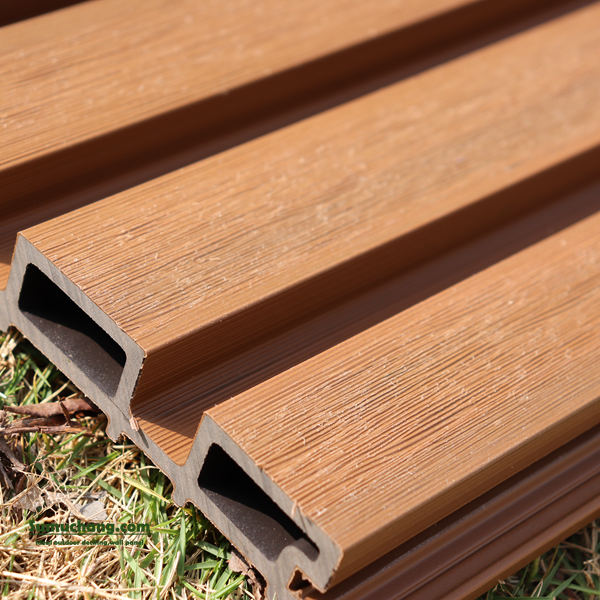
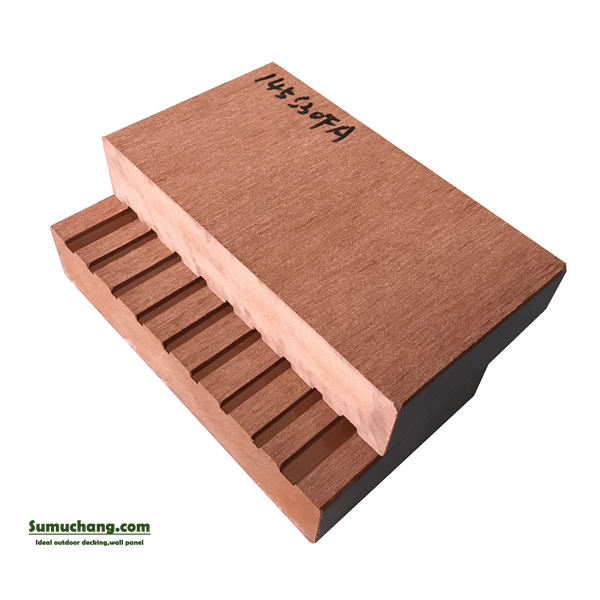
Mold design is another critical aspect of producing oak effect composite decking. The design of the mold dictates the profile and finish of the decking boards. Sophisticated moulding techniques allow for intricate designs that replicate the natural grain and texture of oak wood. This attention to detail is what elevates composite decking beyond standard synthetic alternatives.
During the extrusion phase, the blended material is forced through the mould at controlled temperatures and pressures. The extrusion parameters influence not only the physical properties of the decking but also the surface texture. This phase requires skill and precision to ensure that the oak effect is faithfully represented in the final product, combining both aesthetic and functional qualities.
Cooling Calibration for Quality Control
Post-extrusion, the decking boards must undergo a cooling calibration process. This stage is crucial for solidifying the shape and ensuring dimensional stability. Cooling methods can vary, but the use of water baths or air cooling is common. Achieving the correct cooling temperature and time is essential to avoid issues such as warping or distortion of the decking boards.
Quality control during this phase involves rigorous testing to ensure that the boards meet industry standards and specifications. Factors such as tensile strength, flexural properties, and surface finish are examined to guarantee that each batch of oak effect composite decking is up to standard. This quality assurance is particularly important for maintaining the reputation of the product and satisfying consumer expectations.
Surface Treatment and Finishing Techniques
Surface treatment is a vital aspect of the production of oak effect composite decking. Various finishing techniques can be employed to enhance the visual appeal and performance of the boards. For instance, adding a protective coating can improve resistance to UV rays and moisture, thus extending the lifespan of the decking.
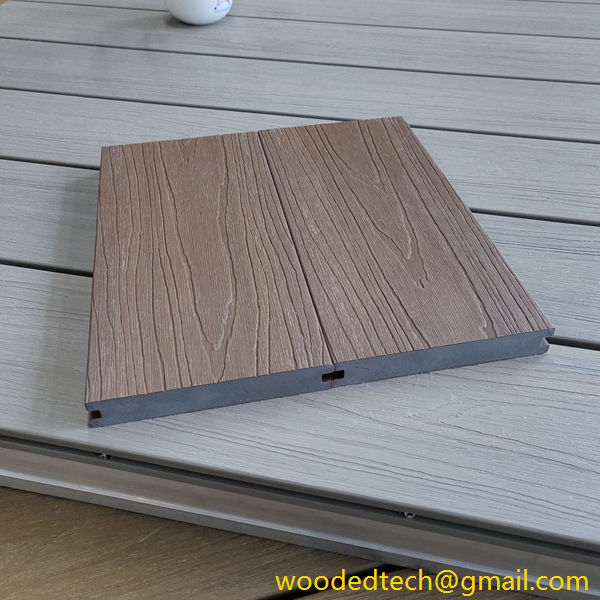
Additionally, surface texturing methods like embossing can provide a realistic wood-like appearance, further enhancing the aesthetic qualities of the oak effect composite decking. These finishing touches not only contribute to the overall look but also play a significant role in the product’s functionality, such as slip resistance and ease of maintenance.
Common Production Challenges
Despite the advanced technology involved in the extrusion of oak effect composite decking, several challenges can arise during production. One common issue is the inconsistency in material quality, which can lead to variations in the final product. Strict quality control measures must be in place to address these variations and ensure a consistent output.

Another potential problem is managing the temperature during the extrusion process. If the materials are overheated, this can result in a compromised product that lacks the desired strength and aesthetics. The key to overcoming these challenges lies in the skill of the production team and the technology employed, ensuring that every stage of the process is meticulously monitored and controlled to deliver high-quality oak effect composite decking.