 English
  Español
  Français
  Português
  Deutsch
  Italiano
  Русский
  العربية
  简体中文
简体中文  香港中文
香港中文  한국어
한국어  日本語
日本語  Türkçe
  Nederlands
  Bahasa Indonesia
 Advantages of White WPC Cladding
White WPC cladding stands out for its unique combination of durability and aesthetic appeal. Constructed from wood-plastic composite, this material provides the warmth of natural wood while enhancing weather resistance. Unlike traditional timber, which can warp or rot when exposed to moisture, WPC cladding remains stable, making it an excellent option for exterior walls. The non-porous surface of white WPC cladding also means it resists staining and fading, maintaining its pristine appearance over time.
One of the significant advantages of white WPC cladding is its minimal maintenance requirements. Whereas wooden cladding demands regular painting or staining to protect against the elements, WPC simply needs occasional cleaning with soap and water. This ease of maintenance translates to lower lifecycle costs, as property owners do not need to budget for frequent renovations or replacements.
Comparing White WPC Cladding with Natural Wood
When evaluating white WPC cladding against natural wood, several factors come into play. While natural wood offers a classic look and texture that many find appealing, its susceptibility to pests and environmental damage is a notable downside. Termites, fungi, and moisture can compromise wooden structures, leading to costly repairs. In contrast, white WPC cladding is engineered to resist such issues, providing a reliable alternative that does not compromise on style.
Additionally, the environmental impact of sourcing natural wood is a growing concern. Sustainable forestry practices are essential, yet they cannot always guarantee that the wood is sourced responsibly. White WPC cladding, made from recycled materials, presents a more eco-friendly option. By choosing this composite material, builders can reduce their carbon footprint and support a more sustainable construction process.
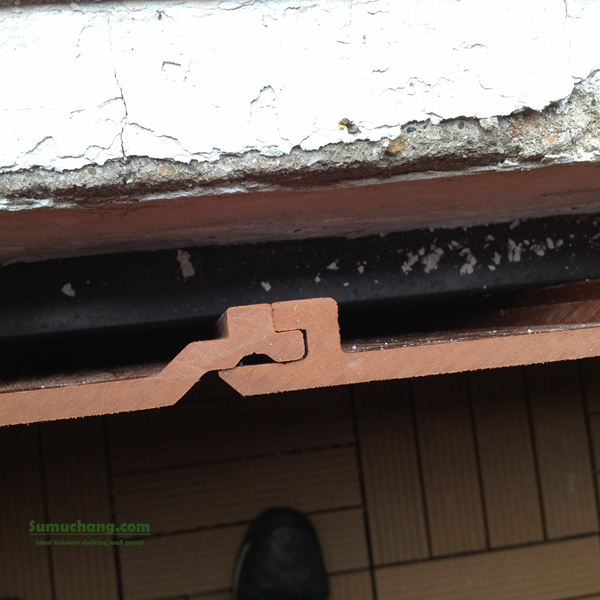
Durability and Longevity of White WPC Cladding
Durability is a primary consideration for any exterior building material. White WPC cladding excels in this regard, offering resistance to fading, cracking, and warping, which can often plague conventional materials. This durability means that property owners can expect a longer lifecycle from their cladding, leading to lesser frequency in replacements and lower long-term costs.
In contrast, materials like aluminium may offer durability but come with their own drawbacks. While aluminium does not rot, it can be prone to denting and scratching, which can detract from its aesthetic appeal. White WPC cladding, with its solid yet flexible structure, can withstand impacts better than aluminium, thus prolonging its lifespan and enhancing its value as a building material.
Maintenance Requirements of Different Exterior Materials
Maintenance is a crucial aspect of any external cladding choice. Traditional timber requires extensive upkeep, such as sanding, sealing, and staining, to prevent decay and maintain appearance. White WPC cladding, on the other hand, requires very little maintenance, allowing property owners to save time and money. With just a simple wash down to remove dirt and debris, white WPC cladding retains its beauty with minimal effort.
Aluminium and other synthetic materials can have their own maintenance requirements but often fall short of the look and feel that many homeowners desire. WPC may not only match the aesthetic of wood but also provides superior performance in various environmental conditions, making it an ideal choice for modern construction.
Lifecycle Costs: A Financial Analysis
When considering the financial implications of cladding materials, lifecycle costs must be thoroughly analysed. While the upfront costs of white WPC cladding may be comparable to or slightly higher than that of natural wood, the long-term savings quickly add up due to reduced maintenance and replacement needs. This financial benefit is further enhanced when considering energy efficiency, as WPC materials can contribute to insulation, leading to lower heating and cooling costs over time.
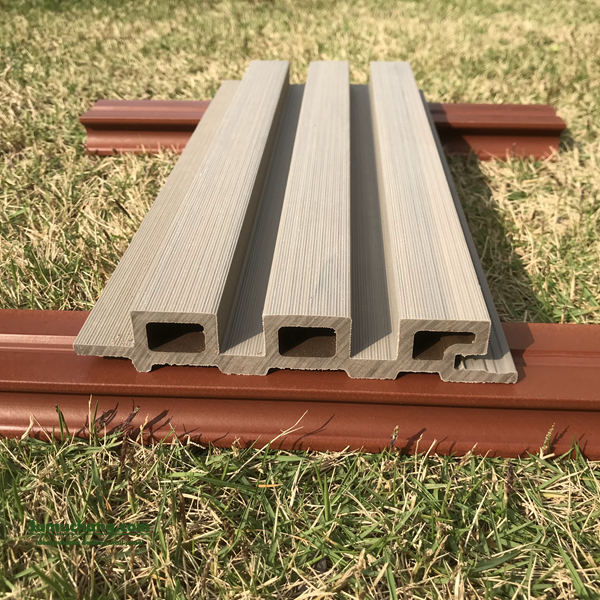
In contrast, materials like natural wood may appear more economical initially, but the ongoing costs for maintenance, repairs, and potential replacements can lead to higher overall expenses. White WPC cladding emerges as a cost-effective solution that does not compromise on quality or aesthetics, appealing to both residential and commercial builders.