 English
  Español
  Français
  Português
  Deutsch
  Italiano
  Русский
  العربية
  简体中文
简体中文  香港中文
香港中文  한국어
한국어  日本語
日本語  Türkçe
  Nederlands
  Bahasa Indonesia
 The Appeal of WPC Wall Panels in Grey
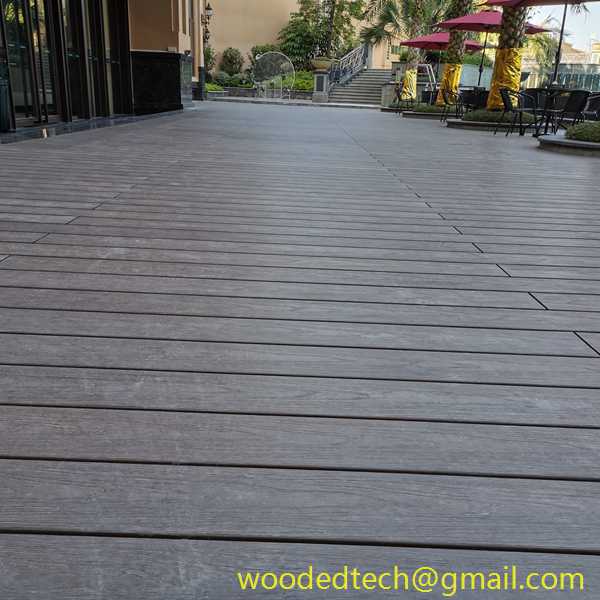
WPC wall panel grey presents a striking option for exterior decoration, combining aesthetic appeal with functional advantages. Grey, as a neutral colour, easily complements various architectural styles and landscaping features. The versatility of WPC (Wood Plastic Composite) materials not only enhances the visual aspect but also plays a significant role in the structural integrity and performance of the panels.
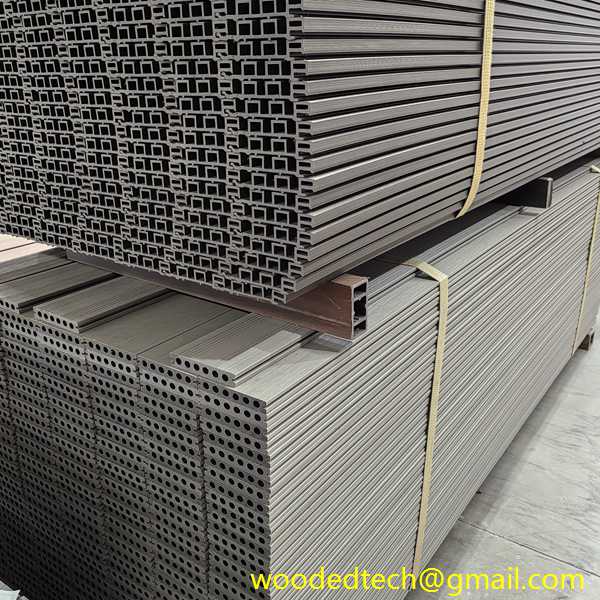
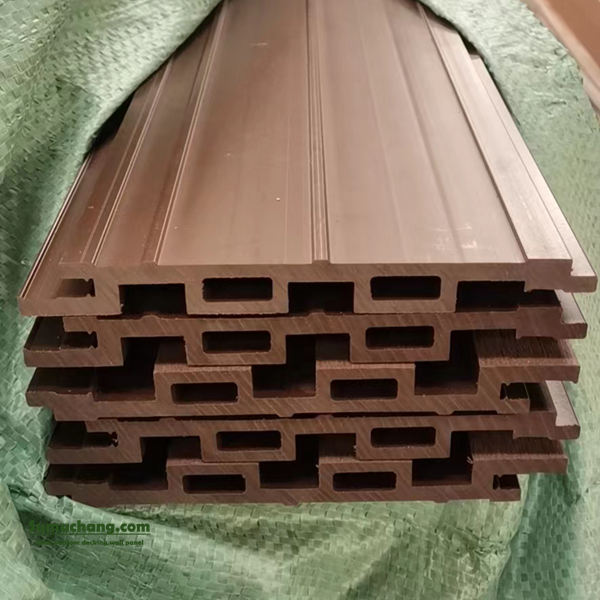
When considering WPC wall panels, one must be cognizant of the profile designs that govern their efficacy. Profiles can be created in solid or hollow structures, each serving distinct purposes. Solid structures typically offer higher strength and durability, making them suitable for environments that demand resilience. Conversely, hollow structures tend to be lighter, reducing the overall weight of the installation, which can facilitate easier handling during construction.
The Impact of Rib Designs
Incorporating rib designs into WPC wall panels can greatly influence both strength and cost. Ribs can enhance load-bearing capacity while simultaneously reducing material usage, thus lowering overall costs. This is particularly important when balancing budget constraints with the need for high-performance materials. A well-engineered rib design can distribute loads evenly, preventing warping or cracking over time and ensuring the longevity of the grey wall panels.
Moreover, the choice of rib configurations can impact the installation performance of the WPC wall panels. Simplified rib designs can lead to quicker assembly times, thereby reducing labour costs. This efficiency is vital for large-scale projects where time is a critical factor. By analysing the various rib options, engineers can tailor their designs to meet specific project requirements without compromising quality.
Surface Patterns and Their Influence on Performance
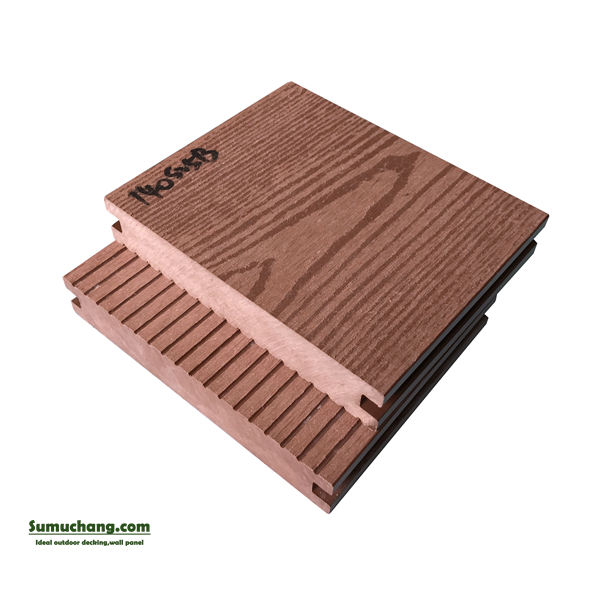
The surface finish of WPC wall panel grey not only contributes to aesthetics but also affects maintenance and durability. Textured surfaces can enhance grip and provide a more visually appealing look while also hiding minor imperfections that may occur over time. Different surface patterns can also change the way the panels interact with environmental factors, such as moisture and UV exposure, potentially extending their lifespan.
Furthermore, the choice of a textured finish can influence cleaning and maintenance routines. Smooth surfaces may require more frequent cleaning to maintain their appearance, while textured surfaces can effectively mask dirt and wear, translating to lower upkeep costs for property owners. Understanding these implications is essential for making the right selections in WPC wall panel designs.
Weight Considerations in Installation
Weight is a crucial factor in the installation of WPC wall panels. A lighter panel can considerably reduce the structural load on supporting frameworks, making it particularly advantageous for retrofitting projects or installations on weaker structures. The combination of ribbed designs and hollow structures can lead to a lightweight product that doesn’t sacrifice strength, ensuring a safe and efficient installation process.
Additionally, the ease of handling lighter panels improves the overall installation experience. Reduced weight can lead to fewer injuries on site and faster completion times, enhancing productivity for construction teams. Thus, the design choices surrounding weight are not just technical specifications but practical considerations that can impact project success.

Cost Efficiency through Smart Design Choices
The financial implications of selecting WPC wall panel grey extend beyond the initial purchase price. The cost-effectiveness of WPC products arises from their long-term durability and low maintenance requirements. By investing in intelligently designed profiles, companies can ensure that their wall panels withstand the test of time, reducing the necessity for replacements and repairs.
Moreover, the manufacturing process of WPC allows for a degree of flexibility that can lead to cost savings in bulk production. This adaptability means that customisation options, such as colour and finish, do not significantly inflate costs, allowing clients to achieve their desired aesthetic without overspending. Thus, choosing WPC wall panels not only meets aesthetic preferences but also aligns with budgetary constraints.