 English
  Español
  Français
  Português
  Deutsch
  Italiano
  Русский
  العربية
  简体中文
简体中文  香港中文
香港中文  한국어
한국어  日本語
日本語  Türkçe
  Nederlands
  Bahasa Indonesia
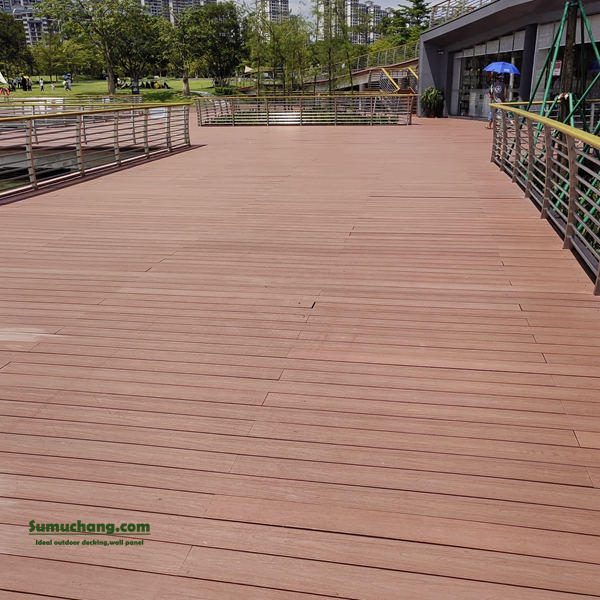
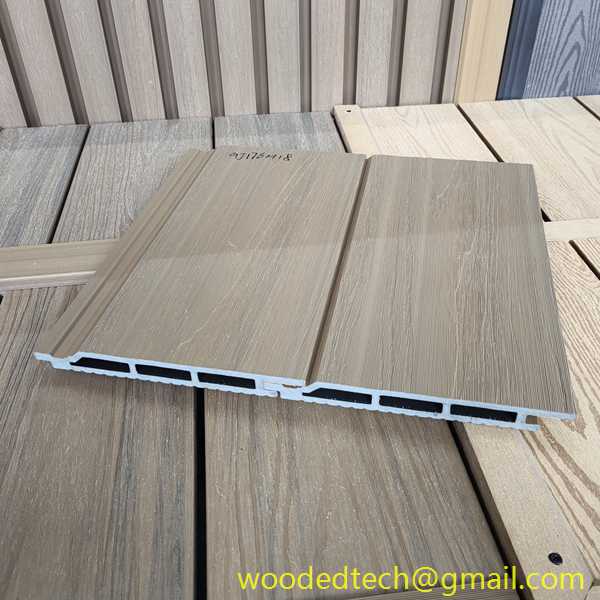
 Wood-plastic composite decking, commonly known as WPC decking, has emerged as a popular choice for outdoor living spaces due to its unique combination of materials and performance characteristics. This innovative solution is manufactured from a blend of wood fibers and recycled plastic, making it an environmentally friendly alternative to traditional wood decking. The advantages of WPC decking extend beyond sustainability, encompassing durability, low maintenance, aesthetic versatility, and safety, all of which contribute to its growing appeal.
One of the most significant advantages of WPC decking is its sustainability. The use of recycled materials in its production means that WPC decking helps to reduce waste and minimize the demand for virgin timber. This is particularly important in an age where deforestation and environmental degradation are pressing global issues. WPC decking provides a responsible choice for homeowners who want to enjoy the beauty of natural wood without contributing to the depletion of forests. Additionally, by utilizing waste materials, the production of WPC decking supports recycling initiatives and promotes a circular economy.
WPC decking is also known for its impressive durability. Unlike traditional wood, which is susceptible to rot, warping, and insect infestations, WPC decking is engineered to withstand the elements. It is resistant to moisture, which significantly reduces the risk of mold and mildew growth. This makes WPC an ideal choice for regions with high humidity or frequent rainfall. Furthermore, WPC decking is designed to endure exposure to UV rays, preventing fading and discoloration over time. This longevity ensures that homeowners can enjoy their outdoor spaces without the worry of frequent replacements or repairs, ultimately saving both time and money.
In addition to its durability, WPC decking requires minimal maintenance compared to conventional wood decking. Traditional wood surfaces often demand regular staining, sealing, and painting to maintain their appearance and structural integrity. WPC decking eliminates the need for these time-consuming tasks. A simple wash with soap and water is typically sufficient to keep WPC surfaces looking fresh and clean. This low-maintenance requirement is particularly appealing to busy homeowners who want to spend their time enjoying their outdoor spaces rather than performing upkeep.
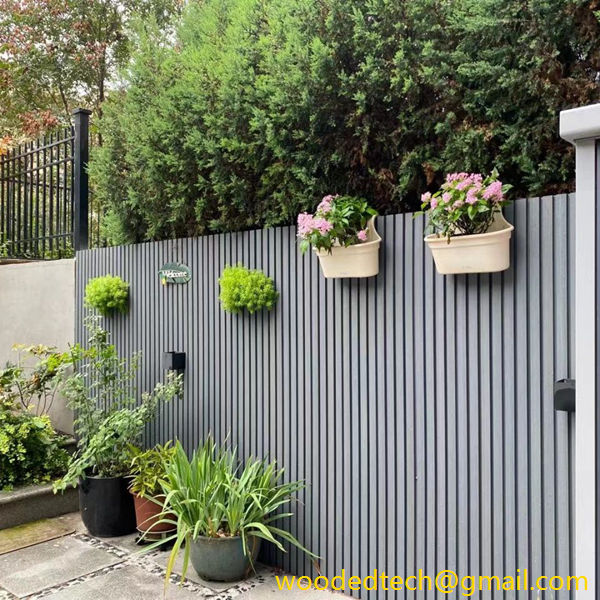
Aesthetic versatility is another key benefit of WPC decking. Available in a wide range of colors, textures, and finishes, WPC allows homeowners to create the desired look for their outdoor areas. Whether one prefers the classic appearance of natural wood or a more modern aesthetic, WPC decking can accommodate various design preferences. This versatility extends to its compatibility with different architectural styles, making it a suitable choice for both contemporary and traditional homes. The ability to customize the appearance of outdoor spaces enhances the overall enjoyment and satisfaction derived from these areas.

Safety is a crucial consideration for outdoor living spaces, and WPC decking excels in this aspect as well. Many WPC products are designed to be slip-resistant, providing a safer surface for families, especially in areas prone to moisture. This feature is particularly beneficial around pools, patios, and decks where slips and falls can occur. Additionally, WPC decking does not splinter like traditional wood, reducing the risk of injury for children and pets who may be playing in these areas. The presence of safety features makes WPC decking an appealing option for households with young children or elderly individuals.

Furthermore, WPC decking contributes to a more sustainable outdoor living experience through its energy-efficient properties. The materials used in WPC decking often possess excellent thermal properties, helping to keep outdoor surfaces cooler underfoot during hot weather. This can enhance the comfort of outdoor gatherings and reduce the need for additional cooling measures, such as outdoor fans or air conditioning. As energy efficiency becomes increasingly important in environmental discussions, WPC decking offers a practical solution that aligns with sustainable living goals.
The benefits of wood-plastic composite decking are numerous and compelling. Its sustainable nature, durability, low maintenance, aesthetic versatility, safety features, and energy efficiency make it an excellent choice for homeowners seeking to enhance their outdoor living spaces. In a world where environmental awareness is paramount, WPC decking stands out as a responsible and appealing option that not only elevates the beauty and functionality of outdoor areas but also contributes to a more sustainable future. As more individuals recognize the advantages of WPC decking, it is likely to become an even more prominent choice in the realm of outdoor living solutions.