 العربية
  English
  Español
  Français
  Português
  Deutsch
  Italiano
  Русский
  简体中文
简体中文  香港中文
香港中文  한국어
한국어  日本語
日本語  Türkçe
  Nederlands
  Bahasa Indonesia
 عندما يتعلق الأمر بتجديد المنزل وتحسينه، فإن أحد أهم القرارات التي يواجهها المشترون المهتمون بالميزانية هو اختيار الأرضيات. من بين الخيارات المختلفة المتاحة، برزت الأرضيات الخشبية البلاستيكية كخيار شائع. يجمع هذا النوع من الأرضيات بين الجاذبية الجمالية للخشب والتطبيق العملي والمتانة للمواد الاصطناعية. بالنسبة للمشترين الذين يتطلعون إلى تحقيق التوازن بين الجودة والقدرة على تحمل التكاليف، فإن فهم الآثار المترتبة على تكلفة الأرضيات الخشبية البلاستيكية أمر بالغ الأهمية.
صُممت الأرضيات الخشبية البلاستيكية، التي يشار إليها غالباً باسم الأرضيات الخشبية أو أرضيات الفينيل، لتحاكي مظهر الخشب الطبيعي. ويتحقق ذلك من خلال تقنية الطباعة المتقدمة التي تخلق قواماً وألواناً واقعية. بالنسبة للمشترين المهتمين بالميزانية، فإن جاذبية الأرضيات الخشبية البلاستيكية لا تكمن فقط في تشطيبها الجميل ولكن أيضًا في فعاليتها من حيث التكلفة. بالمقارنة مع الأرضيات الخشبية التقليدية التي قد تكون باهظة الثمن، فإن الأرضيات الخشبية البلاستيكية توفر بديلاً ميسور التكلفة دون التضحية بالأناقة.
إن التكلفة الأولية للأرضيات الخشبية البلاستيكية أقل بكثير من تكلفة الخشب الصلب أو الخشب المصمم هندسياً. فبينما يمكن أن يتراوح سعر الخشب الصلب بين عشرين وخمسين دولارًا للقدم المربع، تتراوح تكلفة الأرضيات الخشبية البلاستيكية عمومًا بين دولار واحد وخمسة دولارات للقدم المربع، اعتمادًا على الجودة والعلامة التجارية. هذا الفرق في السعر يمكّن المشترين من تغطية مساحة أكبر دون أن يكلفهم ذلك الكثير، مما يجعله خياراً ممتازاً للمساحات الكبيرة أو المنازل بأكملها.

من الضروري أن يضع المشترون المهتمون بالميزانية في اعتبارهم ليس فقط سعر الشراء الأولي ولكن أيضًا القيمة طويلة الأجل لاستثمارهم في الأرضيات. عادةً ما تكون الأرضيات الخشبية البلاستيكية مصممة لتكون متينة للغاية وتقاوم الخدوش والبقع والبهتان. وتعني هذه المتانة أنه يمكن أن يتحمل البلى والتلف في الحياة اليومية، مما يجعله خياراً ممتازاً للعائلات التي لديها أطفال أو حيوانات أليفة. يمكن أن يُترجم العمر الافتراضي الأطول للأرضيات الخشبية البلاستيكية إلى توفير في التكاليف بمرور الوقت، حيث قد لا يحتاج المشترون إلى استبدال الأرضيات بشكل متكرر كما هو الحال مع الخشب الصلب التقليدي.
هناك عامل آخر يجب مراعاته وهو تكلفة التركيب. فالعديد من أنواع الأرضيات الخشبية البلاستيكية مصممة لسهولة التركيب، وغالباً ما تتميز بأنظمة قفل النقر التي لا تتطلب غراء أو مسامير. هذه السهولة في التركيب يمكن أن توفر للمشترين قدراً كبيراً من تكاليف العمالة إذا اختاروا القيام بالمشروع بأنفسهم. بالنسبة لأولئك الذين يفضلون التركيب الاحترافي، يمكن أن يؤدي انخفاض تكاليف العمالة المرتبطة بتركيب الأرضيات الخشبية البلاستيكية إلى توفير إجمالي بالمقارنة مع تركيب الأرضيات الخشبية الصلبة التي قد تتطلب مهارات وأدوات أكثر تخصصًا.
تُعد الصيانة من الاعتبارات الهامة الأخرى للمشترين المهتمين بالميزانية الذين يقيّمون خيارات الأرضيات. تتطلب الأرضيات الخشبية البلاستيكية عادةً الحد الأدنى من الصيانة مقارنةً بالخشب التقليدي. فهو مقاوم للرطوبة ولا يحتاج إلى إعادة صقله أو ختمه، وهو ما يمكن أن يكون مكلفاً للغاية مع الخشب الصلب. وعادةً ما يكون التنظيف المنتظم كافياً للحفاظ على مظهر الأرضيات الخشبية البلاستيكية في أفضل حالاتها، وهو ما يمكن أن يُترجم إلى تكاليف صيانة أقل مع مرور الوقت.
عند تقييم تكلفة الأرضيات الخشبية البلاستيكية، يجب على المشترين أيضًا تقييم مختلف الدرجات والخيارات المتاحة. قد تأتي منتجات الأرضيات الخشبية البلاستيكية عالية الجودة بسعر أعلى ولكنها غالباً ما تقدم ضمانات أفضل ومتانة أفضل. توفر بعض الشركات المصنعة ضمانات تدوم حتى عشرين عامًا، مما يعكس طول عمر المنتج وثقة الشركة في أدائه. قد يستفيد المشترون المهتمون بالميزانية من الاستثمار أكثر قليلاً في خيارات ذات جودة أعلى تدوم لفترة أطول وتتطلب إصلاحات أو استبدال أقل.

تلعب الاعتبارات البيئية أيضاً دوراً في اختيار الأرضيات بالنسبة للعديد من المشترين المهتمين بالميزانية. فغالباً ما تكون الأرضيات الخشبية البلاستيكية مصنوعة من مواد معاد تدويرها، مما يجعلها خياراً أكثر استدامة مقارنة بالخشب الصلب التقليدي الذي يتطلب قطع الأشجار. بالنسبة لأولئك الذين لديهم وعي بيئي ويرغبون في تقليل بصمتهم الكربونية، فإن اختيار الأرضيات الخشبية البلاستيكية يمكن أن يتماشى مع هذه القيم مع الحفاظ على فعاليتها من حيث التكلفة.
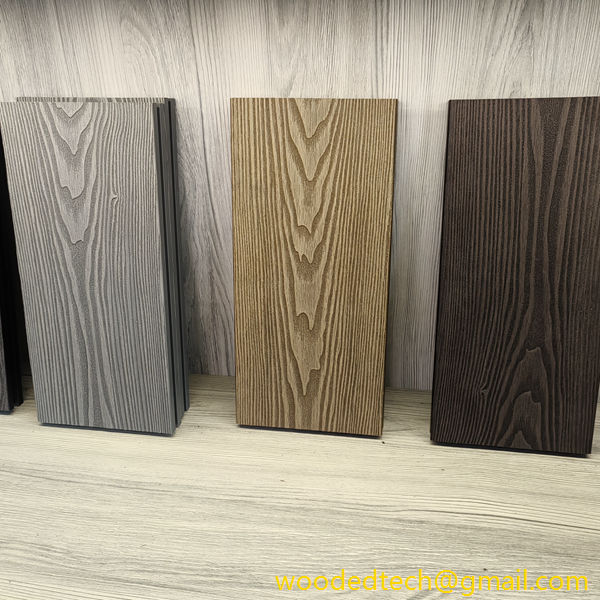
بالإضافة إلى الاعتبارات العملية، فإن المرونة الجمالية هي سبب آخر يجعل الأرضيات الخشبية البلاستيكية جذابة للمشترين المهتمين بالميزانية. مع وجود مجموعة متنوعة من الأنماط والألوان والتشطيبات المتاحة، من السهل العثور على خيار الأرضيات الخشبية البلاستيكية التي تكمل أي ديكور منزلي. وسواءً كان المشتري يفضل تشطيبات البلوط الريفية أو المظهر العصري الأنيق، فهناك الكثير من الخيارات المتاحة. يتيح هذا التنوع للمشترين الحصول على المظهر المرغوب فيه للمساحة الخاصة بهم دون الحاجة إلى السعر الباهظ المرتبط بالخشب الطبيعي.
يجب على المشترين أيضاً مراعاة قيمة إعادة بيع منازلهم عند اختيار خيارات الأرضيات. في حين أن الخشب الصلب يمكن أن يوفر في بعض الأحيان قيمة أعلى لإعادة البيع، إلا أن الشعبية المتزايدة للأرضيات الخشبية البلاستيكية تعني أنها أصبحت خياراً مقبولاً بين مشتري المنازل. وغالباً ما تنجذب الأجيال الأصغر سناً، على وجه الخصوص، إلى الأرضيات الخشبية البلاستيكية ذات التكلفة المعقولة والصيانة المنخفضة، مما يجعلها خياراً معقولاً لأولئك الذين يتطلعون إلى تحسين جاذبية عقاراتهم دون الإفراط في الإنفاق.
في نهاية المطاف، تمثل الأرضيات الخشبية البلاستيكية خياراً جذاباً للمشترين المهتمين بالميزانية الذين يرغبون في الحصول على مظهر الأرضيات الخشبية دون التكاليف المرتبطة بها. وبفضل انخفاض التكاليف الأولية، وانخفاض نفقات التركيب، والحد الأدنى من متطلبات الصيانة، فإنها توفر حلاً متاحاً لأولئك الذين يتطلعون إلى تحسين منازلهم. من خلال استكشاف الخيارات المختلفة وفهم الفوائد طويلة الأجل، يمكن للمشترين اتخاذ قرار مستنير يتماشى مع قيود ميزانيتهم مع إضافة الجمال والوظائف إلى مساحات معيشتهم. من المرجح أن تستمر الشعبية المتزايدة للأرضيات الخشبية البلاستيكية في تزويد المشترين ببديل عملي للأخشاب الصلبة التقليدية، مما يجعلها خيارًا مناسبًا لسنوات قادمة.