 العربية
  English
  Español
  Français
  Português
  Deutsch
  Italiano
  Русский
  简体中文
简体中文  香港中文
香港中文  한국어
한국어  日本語
日本語  Türkçe
  Nederlands
  Bahasa Indonesia
 برز التزيين المركب من الخشب والبلاستيك المجوف (WPC) كخيار شائع للحلول الخارجية خفيفة الوزن ومتعددة الاستخدامات، حيث اكتسبت هذه المواد رواجًا في مختلف الأسواق على مستوى العالم. يمكن أن يُعزى هذا الارتفاع إلى عدة عوامل، بما في ذلك توزيع القدرات الإنتاجية والمزايا السعرية المتأصلة التي توفرها هذه المواد المبتكرة. ومع استمرار نمو الطلب على المنتجات الخارجية المستدامة والمتينة في الهواء الطلق، يصبح فهم هذه الديناميكيات أمرًا بالغ الأهمية للمستهلكين والمصنعين على حد سواء.
تتركز الطاقة الإنتاجية العالمية للتلبيسات المجوفة من الألواح الخشبية الخشبية WPC المجوفة في المقام الأول في المناطق المعروفة بقدراتها التصنيعية المتقدمة وإمكانية الوصول إلى المواد الخام. وتتصدر البلدان التي تتمتع بحضور قوي في صناعة المواد المركبة، مثل الصين والولايات المتحدة وألمانيا، الدول التي لها حضور قوي في صناعة المواد المركبة، مثل الصين والولايات المتحدة وألمانيا، في إنتاج ألواح التزيين المصنوعة من الخشب المُركب. وقد رسخت الصين على وجه الخصوص مكانتها كقوة تصنيعية، مستفيدة من وفرة إمداداتها من البلاستيك المعاد تدويره وألياف الخشب. ويسمح هذا التركيز في الإنتاج بتحقيق وفورات الحجم، مما يقلل من تكاليف الإنتاج الإجمالية ويجعل التلبيسات الخشبية المفرغة من الخشب WPC في متناول المستهلكين في جميع أنحاء العالم.
تتمثل إحدى المزايا الرئيسية للتلبيسات المجوفة المصنوعة من خشب WPC في طبيعتها خفيفة الوزن، مما يسهل عملية النقل والتركيب بشكل كبير. يمكن أن تكون مواد التلبيس التقليدية، مثل الخشب الصلب أو الخرسانة، ثقيلة ومرهقة، مما يؤدي إلى ارتفاع تكاليف الشحن وإطالة أوقات التركيب. وعلى النقيض من ذلك، فإن التلبيسات المجوفة من الخشب WPC توفر حلاً عملياً، مما يتيح سهولة المناولة وسرعة التركيب. هذه الخاصية خفيفة الوزن لا تفيد المستخدم النهائي فحسب، بل تقلل أيضًا من انبعاثات الكربون المرتبطة بالنقل، بما يتماشى مع المخاوف البيئية المتزايدة.

من من منظور التسعير، يساهم التصميم المجوف لألواح التزيين الخشبية WPC في فعالية التكلفة. يتطلب الهيكل المجوف مواد أقل مع الحفاظ على السلامة الهيكلية، مما يسمح للمصنعين بخفض تكاليف الإنتاج دون التضحية بالجودة. وتكتسب هذه الميزة السعرية أهمية خاصة في الأسواق التنافسية حيث يتزايد اهتمام المستهلكين بالأسعار. ومع اعتماد المزيد من المصنعين لهذا التصميم المبتكر، من المرجح أن يؤدي ذلك إلى مزيد من التخفيضات في الأسعار، مما يعود بالنفع على المستهلكين ويعزز إمكانية الوصول إلى الأسواق.
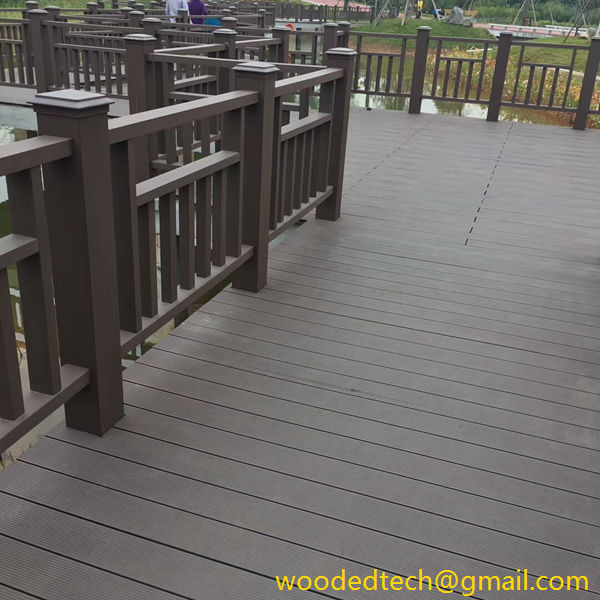
وعلاوة على ذلك، فإن تعدد استخدامات التزيين المجوف من WPC يجعل منه خياراً جذاباً لمختلف الاستخدامات الخارجية. وسواء تم استخدامه في الباحات السكنية أو الممرات الخشبية التجارية أو المنشآت بجانب حمام السباحة، فإن هذه المادة تتكيف بسلاسة مع البيئات المختلفة. كما أن مقاومتها للرطوبة والبهتان والحشرات تجعلها مثالية للأماكن الخارجية، حيث قد تعاني المواد التقليدية. ومع استمرار الشركات المصنعة في الابتكار، وتقديم مجموعة واسعة من الألوان والأنسجة والتشطيبات، من المتوقع أن تتوسع جاذبية التزيين المجوف من WPC بشكل أكبر.
يتأثر السوق العالمي لألواح التلبيس الخشبية WPC بعوامل مختلفة، بما في ذلك التفضيلات الإقليمية والظروف المناخية. على سبيل المثال، قد تفضل المناطق ذات الرطوبة العالية استخدام ألواح التزيين المصنوعة من الخشب WPC نظرًا لمقاومتها للتعفن والتآكل، في حين أن المناطق ذات درجات الحرارة المرتفعة قد تقدر قدرتها على تحمل الظروف المناخية القاسية. ومع زيادة وعي المستهلكين بمواد البناء المستدامة، فإن ألواح التلبيس الخشبية WPC مهيأة للاستحواذ على حصة أكبر في السوق. ويؤدي الجمع بين الخصائص خفيفة الوزن وتعدد الاستخدامات والأسعار التنافسية إلى خلق حالة مقنعة للمستهلكين لاختيار هذه المواد على الخيارات التقليدية.
وبالإضافة إلى مزاياها العملية، تتماشى ألواح التزيين المصنوعة من خشب WPC المفرغ مع الاتجاه المتزايد نحو الاستدامة في البناء وتنسيق الحدائق. وتولي العديد من الشركات المصنعة الأولوية للممارسات الصديقة للبيئة باستخدام المواد المعاد تدويرها في عمليات الإنتاج. ويلاقي هذا الالتزام بالاستدامة صدى لدى المستهلكين المهتمين بالبيئة، مما يزيد من الطلب عليها. ومع تشديد اللوائح التنظيمية المتعلقة بالمواد الصديقة للبيئة على مستوى العالم، تبرز ألواح التزيين المصنوعة من الخشب المخروطي WPC كبديل قابل للتطبيق يلبي المعايير الجمالية والبيئية على حد سواء.

كما تتطور سلسلة توريد الألواح الخشبية المجوفة من الألواح الخشبية WPC، حيث تسعى الشركات المصنعة إلى تحسين الخدمات اللوجستية وقنوات التوزيع. ومن خلال إقامة شراكات استراتيجية والاستثمار في التقنيات المتقدمة، يمكن للشركات تحسين الكفاءة وخفض التكاليف المرتبطة بالإنتاج والنقل. هذا التطور لا يعزز الربحية للمصنعين فحسب، بل يضمن أيضًا حصول المستهلكين على منتجات عالية الجودة بأسعار تنافسية.
في سوق عالمي سريع التغيّر، يبدو مستقبل التزيين المصنوع من خشب WPC المجوف واعدًا. ومع توسع القدرات الإنتاجية واستمرار الابتكارات، من المتوقع أن تصبح هذه المادة عنصرًا أساسيًا في الحلول الخارجية. إن الجمع بين خصائصها الخفيفة الوزن وتعدد استخداماتها ومزاياها السعرية يضعها في مكانة مواتية في مواجهة مواد التزيين التقليدية. ومع تزايد إعطاء المستهلكين الأولوية للاستدامة والفعالية من حيث التكلفة، من المرجح أن تلعب مواد التزيين المجوفة من خشب WPC دورًا حاسمًا في تشكيل المساحات الخارجية لسنوات قادمة. يعكس هذا الاتجاه تحولًا أوسع نطاقًا نحو المواد المبتكرة التي تلبي المتطلبات الحديثة مع مراعاة التأثيرات البيئية في الوقت نفسه. سيؤدي التطور المستمر لهذه الصناعة بلا شك إلى تطورات وفرص مثيرة لكل من المصنعين والمستهلكين على حد سواء.