 العربية
  English
  Español
  Français
  Português
  Deutsch
  Italiano
  Русский
  简体中文
简体中文  香港中文
香港中文  한국어
한국어  日本語
日本語  Türkçe
  Nederlands
  Bahasa Indonesia
 دور المواد الخام في انحياز الجدار المركب
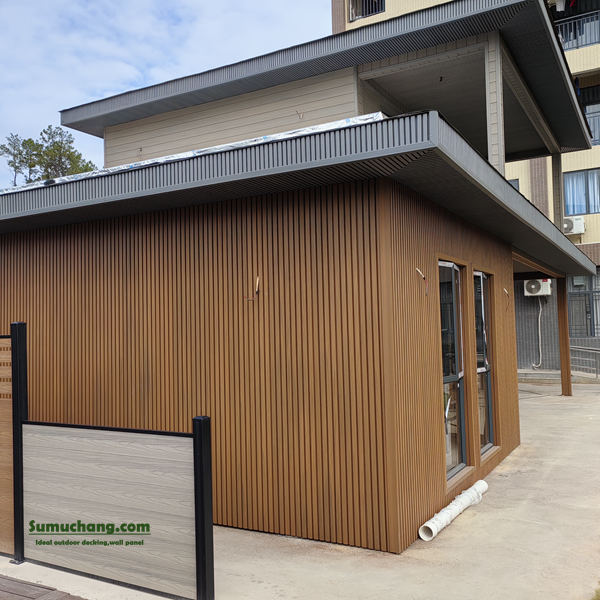
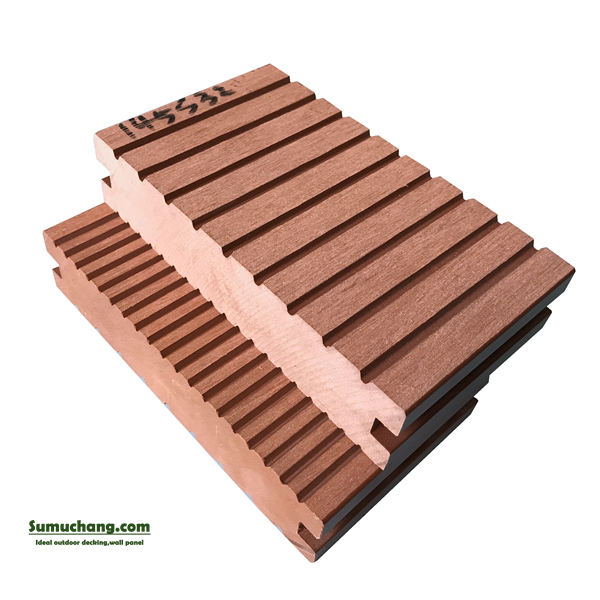
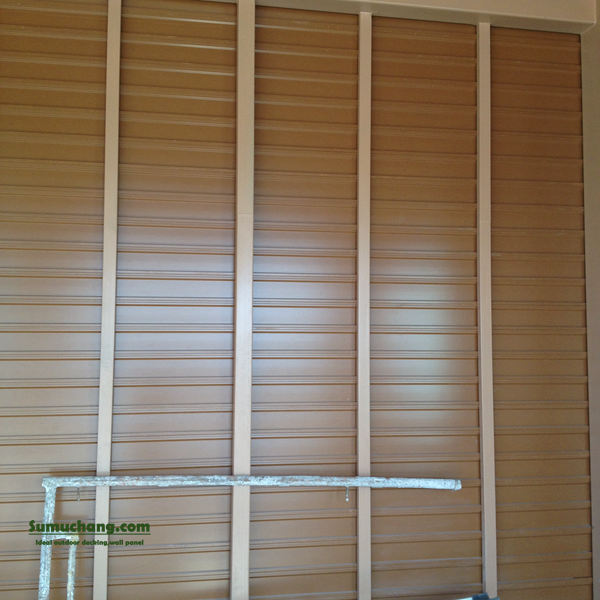
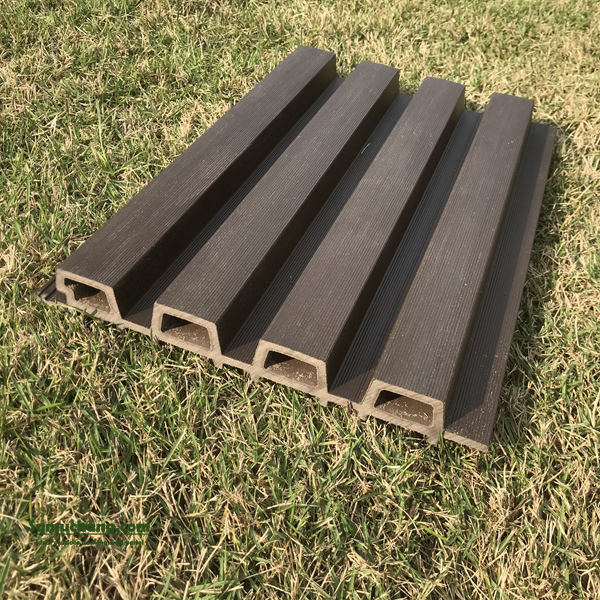
برز انحياز الجدار المركب كخيار مفضل للكسوة الخارجية نظرًا لمتانته الفائقة وتنوعه الجمالي.بصفتي مهندسًا لمراقبة جودة المواد الخام في مصنع WPC الرائد في الهواء الطلق ومقره في قوانغدونغ ، الصين ، يمكنني أن أؤكد أن الجمع بين مسحوق الخشب والبوليمرات HDPE / PVC والمواد المضافة والأصباغ والمعدّلات المختلفة يؤثر بشكل كبير على أداء وطول عمر هذه المنتجات.يساهم كل مكون بشكل فريد في السلامة الشاملة لانحياز الجدار المركب ، مما يضمن أنه يصمد أمام الظروف البيئية المتنوعة.
مسحوق الخشب: محسن طبيعي
يعمل مسحوق الخشب كمكون أساسي في انحياز الجدار المركب ، مما يوفر قوة هيكلية ومظهرًا طبيعيًا جذابًا.يجب أن يخضع مسحوق الخشب عالي الجودة ، المستمد من الغابات التي تدار بشكل مستدام ، لفحوصات صارمة للجودة للقضاء على السواكب وضمان الاتساق.يؤثر حجم وتوزيع جزيئات الخشب بشكل مباشر على الخصائص الميكانيكية للمركب ، بما في ذلك مقاومة التأثير وقوة الشد.غالبًا ما تتضمن عمليات التفتيش في المصنع تحليل حجم الجسيمات باستخدام غربال وطرق حيود الليزر لتأكيد الالتزام بالمعايير المحددة ، مما يضمن أن مسحوق الخشب يساهم بشكل فعال في المنتج النهائي.
اختيار البوليمر: HDPE مقابل PVC
الاختيار بين البوليمرات HDPE و PVC هو محوري في تحديد مقاومة الطقس ومتانة انحياز الجدار المركب.HDPE ، المعروف بقدراته الممتازة على التجوية ، يوفر مقاومة فائقة للأشعة فوق البنفسجية ، مما يمنع التدهور بمرور الوقت.على العكس من ذلك ، تقدم PVC بديلاً فعالاً من حيث التكلفة متينًا على قدم المساواة ولكنه قد يتطلب تعديلات إضافية لتعزيز أدائه في الظروف القاسية.أثناء الإنتاج ، يتم إجراء اختبارات صارمة لدفعات البوليمر ، بما في ذلك تقييمات مؤشر تدفق الذوبان لضمان خصائص المعالجة المتسقة.وهذا يضمن أن البوليمر المختار سيؤدي بشكل موثوق في مختلف المناخات ، مع الحفاظ على سلامة انحياز الجدار المركب.
الإضافات والتعديلات: تفصيل الأداء
تعتبر الإضافات والمعدّلات حاسمة في صقل خصائص انحياز الجدار المركب.يمكن لهذه المكونات تعزيز مقاومة الحريق ، أو تحسين خصائص المعالجة ، أو تقديم خصائص مضادة للفطريات.على سبيل المثال ، يمكن أن يؤثر دمج مثبطات اللهب خلال مرحلة الخلط بشكل كبير على تصنيف النار للمنتج النهائي ، وهو أمر بالغ الأهمية للامتثال لأنظمة السلامة.تتضمن تدابير مراقبة الجودة اختبارًا شاملاً لهذه الإضافات للتأكد من فعاليتها وتوافقها مع المواد الأولية.ويشمل ذلك تقييم الاستقرار الحراري للمركب من خلال اختبارات قياس السعرات الحرارية للمسح التفاضلي (DSC) للتأكد من أن المنتج النهائي يمكن أن يتحمل درجات الحرارة العالية دون فقدان سلامته الهيكلية.
أصباغ اللون: الفوائد الجمالية والوظيفية
لا تعمل الأصباغ على تعزيز الجاذبية المرئية لاحياز الجدار المركب فحسب ، بل تساهم أيضًا في أدائها من خلال توفير الحماية من الأشعة فوق البنفسجية.يضمن اختيار أصباغ عالية الجودة ومقاومة للتلاشى أن يظل اللون نابضًا بالحياة لسنوات ، مما يقلل من الحاجة إلى الصيانة وإعادة الطلاء.خلال مرحلة مراقبة الجودة ، يتم اختبار اتساق الألوان باستخدام قياس الطيف الضوئي ، والذي يقيس اللون مقابل العينات القياسية.تضمن هذه العملية أن كل دفعة من انحياز الجدار المركب تلبي المتطلبات الجمالية مع الحفاظ على الخصائص الوظيفية مثل مقاومة الأشعة فوق البنفسجية والاستقرار الحراري.
معايير الجودة وتقنيات التفتيش
الحفاظ على جودة عالية طوال عملية الإنتاج أمر ضروري لضمان طول العمر وأداء انحياز الجدار المركب.يلتزم مصنعنا بمعايير الجودة الدولية ، بما في ذلك ISO 9001 ، التي تفوض المراقبة المنهجية ومراقبة عمليات الإنتاج.يتم إجراء عمليات تفتيش منتظمة في مراحل مختلفة ، من مصادر المواد الخام إلى اختبار المنتج النهائي.يتم استخدام تقنيات مثل اختبار الشد وتقييم امتصاص الماء للتحقق من الامتثال لمعايير المتانة ومقاومة الطقس.هذا الاهتمام الدقيق بالتفاصيل لا يضمن فقط اتساق المنتج ولكن أيضًا يغرس الثقة في العملاء فيما يتعلق بأداء وموثوقية حلول انحياز الجدار المركبة لدينا.